


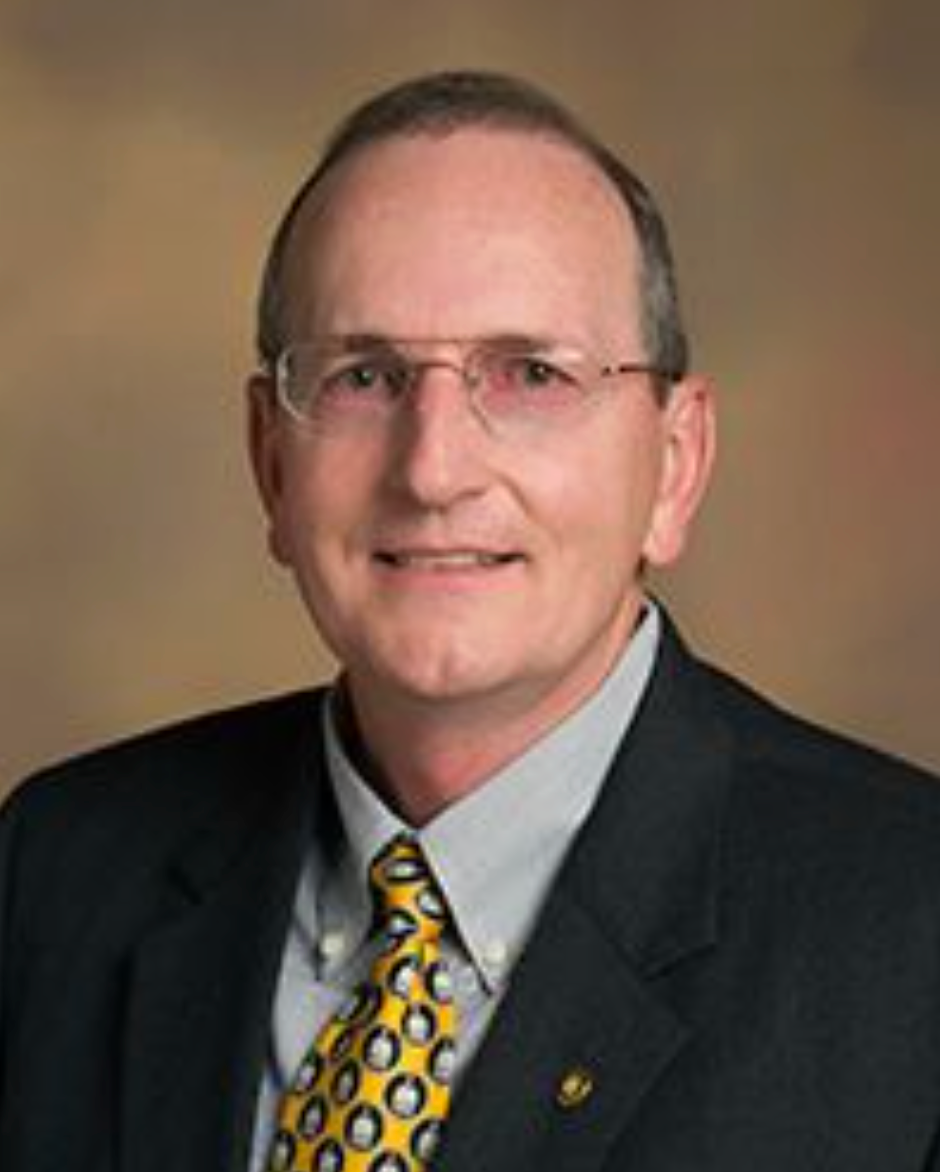





The moment was shrouded in uncertainty, a scene he wrote without knowing if it would ever work out as he imagined. Time was running out. It was the last scene to be shot before the equipment was packed up, and they called it a day.
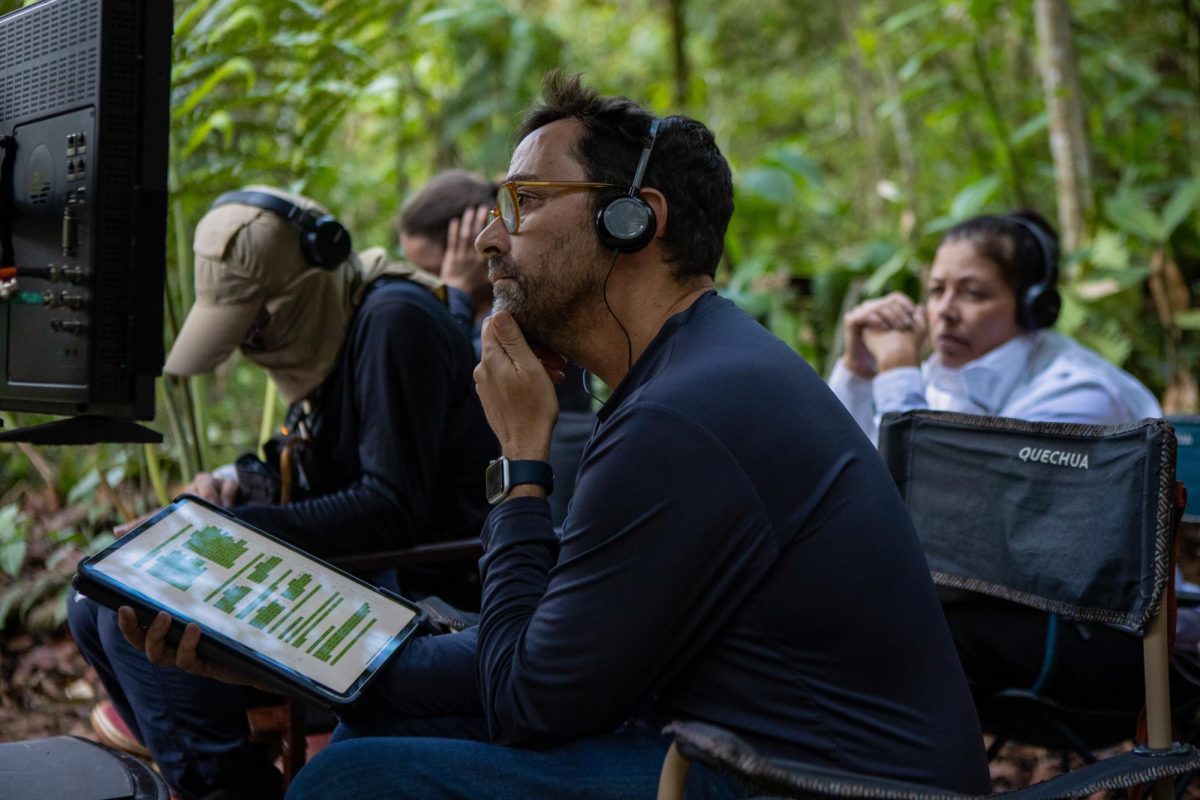
Set up in a cave somewhere in Cali, Colombia, with no time for the actors to rehearse or discuss any details, all Diego Velasco could do was trust them with his vision and hope it would all work out.
“It was literally the last day of shooting, and we were running out of time, and then it all came together,” he said. “The acting, the lighting, the camera, the pressure, just really, I saw it happen in front of me, in front of the camera, and I was like, ‘Oh my god, that’s it, that’s the movie.’”
He watched as the actors lost themselves in the scene, the one he wrote, not knowing whether they would even be able to find the right location to film it. The moment that defined this project was 14 years in the making for director Diego Velasco.
The concept for the movie began as a casual idea between friends, which led to drafts for the screenplay, first one, then five, then 30. Then came producers and funding, but when the pandemic hit, they lost funding and the movie’s future was uncertain. Now four years later, with new producers and funding, Velasco was able to produce his newest film, “The Whistler,” which is available on some streaming platforms like Amazon Prime, Apple TV and Fandango, and for limited release in specific theaters across the country.
For Velasco, the movie was a chance for him to return to his roots and make a movie that no one else had. The film is based on the Venezuelan legend, El Silbón, which he grew up with. In the legend, a spirit haunts the Venezuelan plains, and the further away the whistling is, the closer it actually is.
In the film, a couple living in the U.S. returns to Venezuela to sell a farm inherited from a deceased relative. There, they encounter squatters living on the farm, based on real religion and popular spiritual cult that worships a folk goddess known as María Lionza, who can call on and communicate with spirits, including the couple’s deceased child.
“It shows a different side of Venezuela that people are not used to seeing. Unfortunately, when people think about Venezuela, they just think about Maduro, or drugs, or violence or migration,” Velasco said. “And this story just shows you that like many people in the world, Venezuelans are just struggling to survive and they’re doing whatever they can, and I think, I hope that when people see that, they have a different from what Venezuelans are, instead of just what they hear on the news.”
When it comes to filmmaking, Velasco aims to create something that challenges the status quo and something that he would want to watch. In making this movie, he realized that to scare an audience, he needed to look at what scares him as an observer.
“The biggest thing I learned about this movie is that to make a horror movie, if you expect the audience to lower their defenses and be in a vulnerable place, it starts with you as a filmmaker,” he said. “I had to tap in the things that scare me and being a parent, what scares me is losing one of my kids. So that whole thing then came about a story about grief and how different people handle grief.”
The film explores grief and fear of the unknown, drawing from his own experiences both as a parent and growing up between Venezuela and the U.S. He depicts the characters who are suffering from grief, which manifests differently for each character, while also touching on migration and lesser-known religions, being authentic to the ceremonies and how they depict this religion, which is spreading all over the world.
“I hope that people understand that grief works in different ways,” Velasco said. “That they are open to interpret different realities, and that what might be scary to one person could be beautiful into another person. So, I hope it just opens their field of view to kind of look at a different perspective that they may not be used to seeing.”
Velasco was born in New York before moving to Venezuela, where he lived until high school. It was during high school that he first daydreamed of becoming a director, and everything clicked into place for him after making a film for class with his friends.
“Daydreaming, I was really good at, and becoming a director was a kind of natural transition of daydreamers,” Velasco said. “So, then it, to me, it was like the thing- it was the only thing that came natural to me.”
Whether in Venezuela or the States, Velasco said that he always felt in between two worlds.
“When I went to live in Venezuela, I was always the American kid who had a funny accent speaking Spanish, and when I came back to the States, I was always the Latino kid who had a funny accent in English,” he said. “I think my perspective of always being on the outside looking in has allowed me to appreciate, to see things that perhaps maybe most people don’t.”
For Velasco, being between those two worlds, which has allowed him to travel and live in different places, has improved his skills as a director by broadening his scope and introducing him to new stories to tell.
After high school, Velasco returned to the U.S. and attended East Central Community College in Decatur, Mississippi. While there, he would visit with his sister, who attended USM to help her with her film studies, which he enjoyed so much that he transferred to USM, majoring in Radio, TV and film with a minor in theater.
Velasco credits his time there with allowing him to figure out exactly what he wanted to do by opening his eyes to new fields of study within film and hands-on experience with film equipment. It was also where he formed long-lasting friendships and helped revive a campus tradition known as Southern Cinema.
“While in school, Diego was always enthusiastic, a quick learner, a great collaborator, encouraging to his fellow classmates and always willing to help, and he came at everything with a creative outlook. It comes as no surprise that he has been able to navigate his path to a successful career as a director and producer,” said Nina Parikh, a former classmate and director at Film Mississippi. “Underneath the genre is what I expect from his work which are stories that tackle important social and cultural issues.”
Velasco began his career by working his way through the camera department while working on his own projects. His first feature film, “Zero Hour,” gained him an agent and recognition. From there, he continued his work, directing more films and even some television projects.
“I think the biggest challenge that most people don’t realize that it’s a marathon. It’s not a sprint,” he said. “It takes years and years, and for a 1000 no’s, there’s one yes, and when you have one idea from fruition to completion, usually it’s never less than three years to four years, and there’s lots of up and down.”
Velasco hopes to be known as a director who tells meaningful stories and challenges stereotypes and the status quo.
“It’s taken me probably 30 years to reconnect with my old college self who just wanted to make movies,” Velasco said. “I think when you do things to try to impress others, you make mistakes. Just do it for yourself.”
Being someone who wants to inspire the younger generation, Velasco encourages young filmmakers to embrace individuality and to create movies they love rather than trying to imitate directors they look up to.
Reflecting on when his first film, “Zero Hour,” broke box office records in Venezuela, Velasco stated, “I’m really proud because, you know, when I look back at that, of me being a student at USM, I just never imagined that was possible.”
He also reinforces how important it is to appreciate moments spent in college, even when things get stressful.
“I have a lot of great memories in USM, and I made a lot of good friends there that I’m still friends with,” Velasco said. “I know you get stressed and I know you sometimes just cannot wait to get out of college, but cherish those friends and those moments because they really are special, and then when you look back at it, you’re going to be very fond of those memories like I am.”