

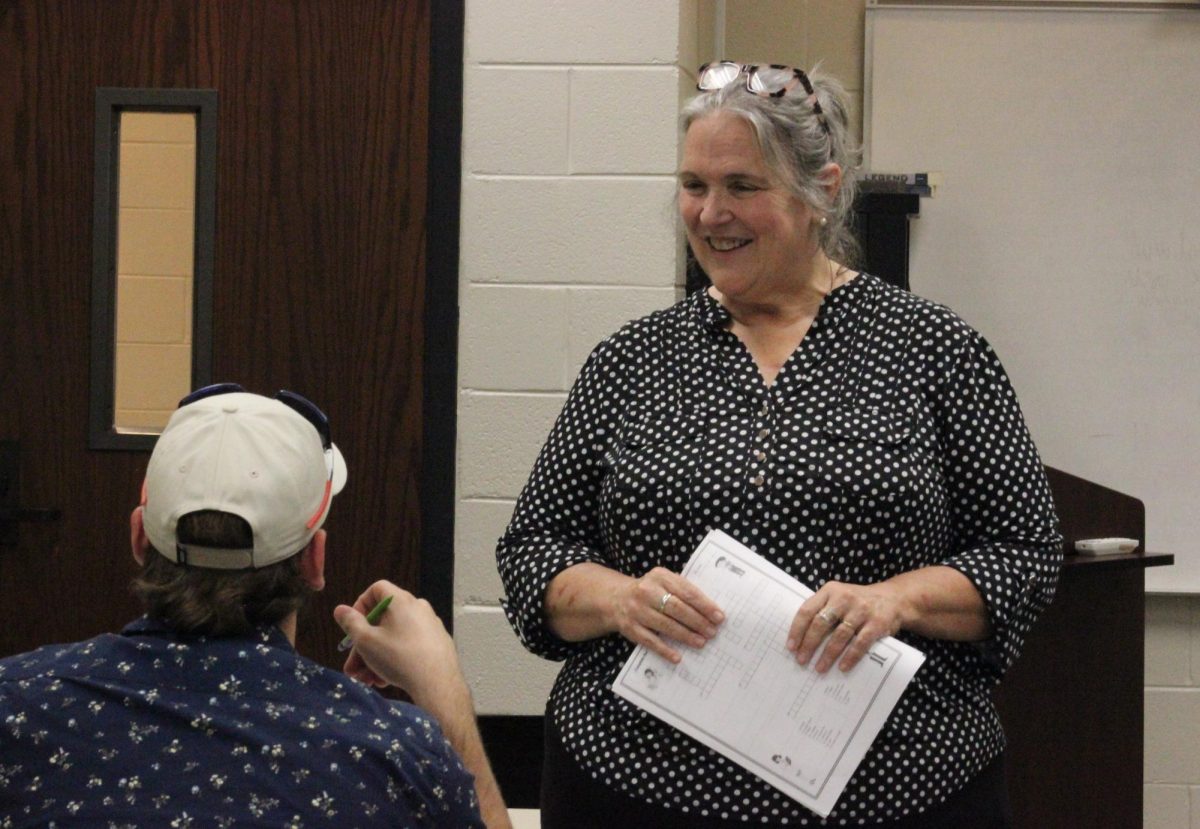
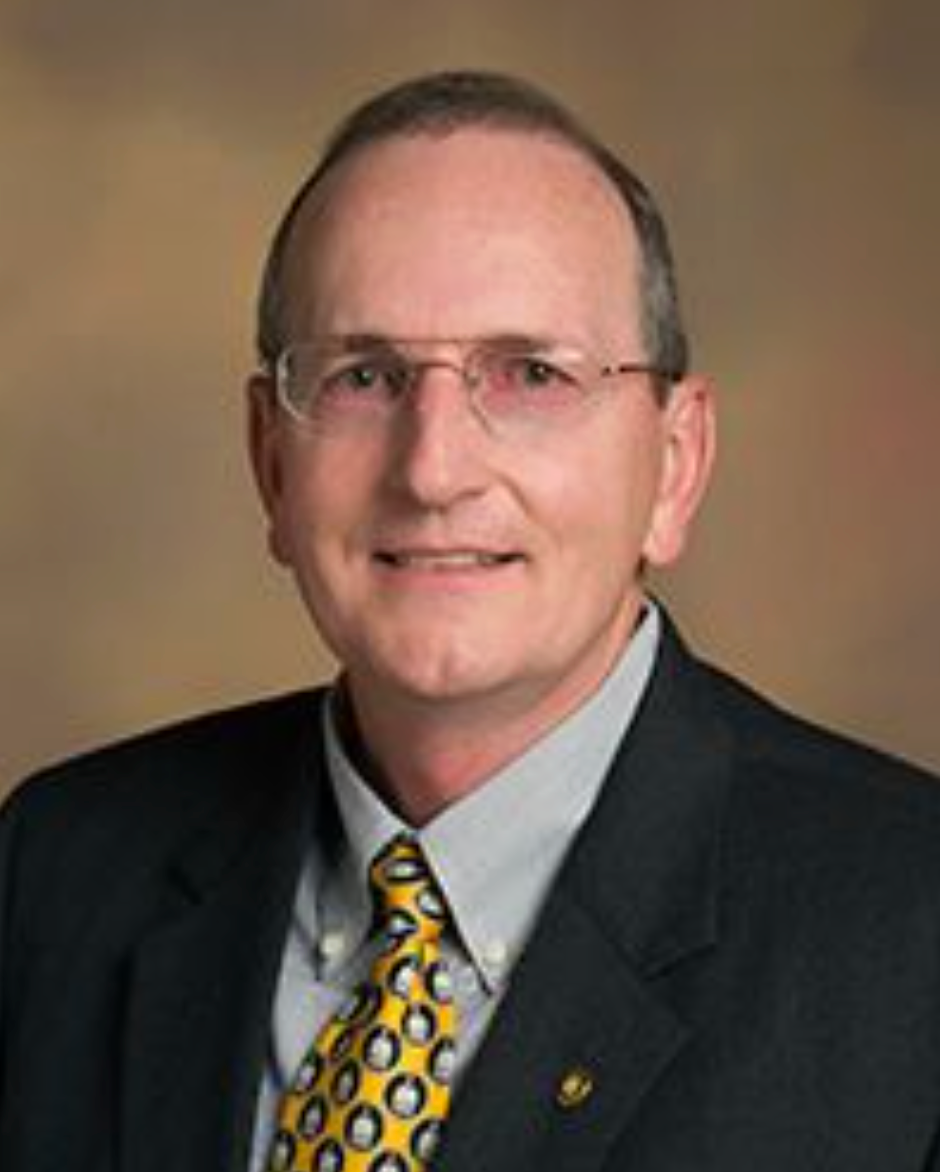











The Sexual Assault Prevention Ambassadors at Southern Miss invited Shalotta Sharp to present a lecture for sexual assault awareness month on April 27. The lecture focused on what happens in the hospital after sexual assault and proper care for the victim.
Sharp is a registered nurse working with the Mississippi Coalition Against Sexual Assault. She is also a nationally certified Sexual Assault Nurse Examiner in adults, adolescents, and pediatric patients. In the lecture, Sharp shared her experience as a nurse who has been in the field for three decades and emphasized the need to be empathetic to victims.
MSCASA is a non-profit, non-governmental sexual assault victim advocacy organization. The organization was founded by rape crisis centers to expand education, training, and public awareness to survivors and their families. MSCASA primarily serves underrepresented populations that are at risk.
Sharp started her lecture by providing some facts to emphasize the awareness of sexual assault. She stated that one rape happens about every two minutes, and less than half of the assaults get reported. She also emphasized that, despite the portrayal in popular media, less than 2% of the victims have injuries that need treatment, and less than 1% need hospitalization.
Sharp shared the typical reactions that victims get when they disclose their trauma. She explained that most victims who have shared their experience have been questioned on if their experience was really an assault. She also explained that every patient she has seen has said that they did not see the attack coming. She used those experiences from the victims to emphasize the need to believe the victims.
Sharp also contrasted the popular portrayal of rape victims against the people she had treated in her career to teach the audience that a victim, and their behaviour during and after the traumatic event, does not look how one might assume from works of fiction. She added that a lot of victims are often not taken seriously because of the perpetrator not fitting the stereotypical rapist image, which makes it important to know that people from any background might be a victim or a perpetrator.
Sharp encouraged the audience to empathize with all the victims, even the ones that society labels as the problem. She shared that victim-blaming is never okay, and the brain scans of someone who was attacked on the street and someone who got drunk and was assaulted by someone they trusted look indistinguishable.
“Sexual assault is not a punishment for people who do things we do not believe in,” Sharp reminded the audience. “The only difference between someone who is assaulted and someone who is not is the perpetrator and not the victim.”
Sharp also shared some ways to help the victim after the event. She explained that the victims often respond with self-blame, shame and powerlessness. In such moments, it is important for the victim to feel heard and believed. She added that it is important to note the behavioral changes of victims to ensure their safety. Sharp also shared that the victim is not charged by the hospital for evidence collection after the assault to assure people that the assault will not financially impact them through a rape kit.
Sharp also stated that spreading awareness about sexual assault is important to prevent victim-blaming.
“Any kind of education that students, faculty or staff can get on sexual assault, especially with the increased risk in the college community, there is no harm that can be done,” Sharp stated. “As long as it helps even a single victim, there is some good being done.”
In addition to the lecture, SAPA also hosted multiple other events throughout April to raise awareness about sexual assault.
“We had a Denim Day photoshoot to commemorate the infamous Italian Supreme Court case,” said Emily Anding, the president of SAPA. “We also had a ‘Why I did not report’ exhibit and a ‘What were you wearing exhibit.’”