

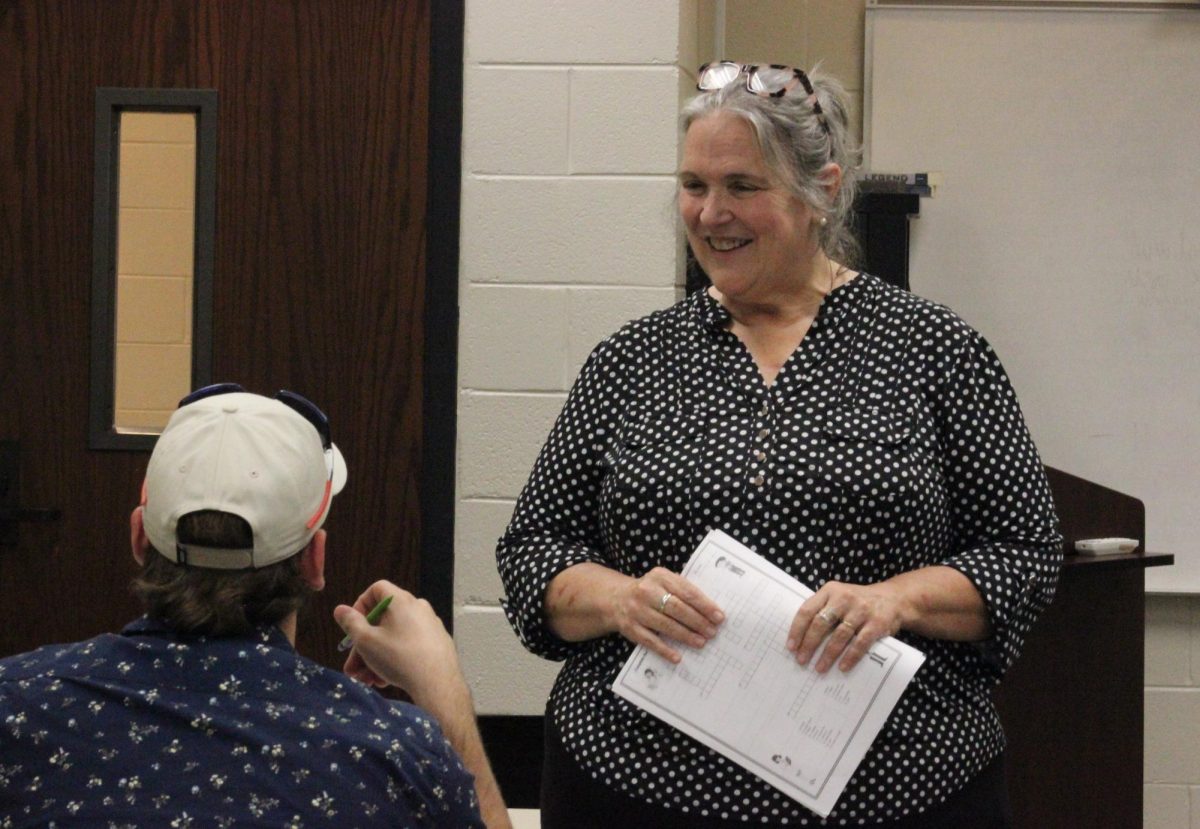





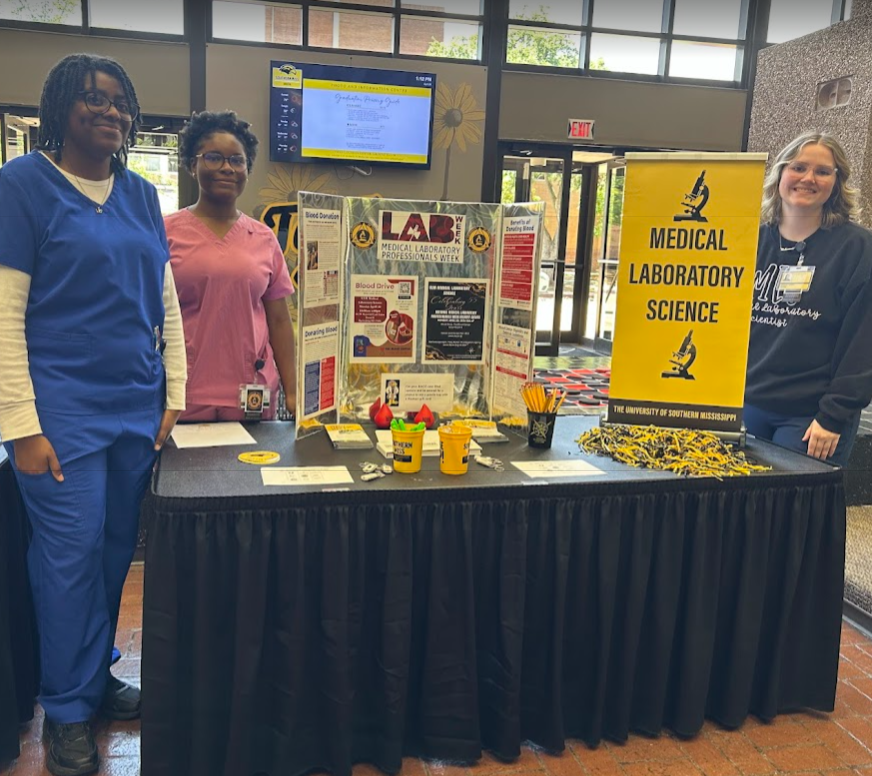
The Medical Laboratory Sciences Program at the University of Southern Mississippi celebrated its 55th anniversary with a blood drive, an open house, three lectures and vendors to recruit students. The program also had the mayor, Toby Barker, for the proclamation signing.
The Medical Laboratory Sciences program at Southern Miss trains medical laboratory scientists, who use laboratory analyses to assist healthcare providers in the prevention, diagnosis and treatment of diseases and disorders. Southern Miss trains the future professionals with biomedical instruments, information technology and manual techniques. The program is accredited by the National Accrediting Agency for Clinical Laboratory Sciences. In 2024, the Medical Laboratory Sciences program had a certification and placement rate of 100% and a graduation rate of 88%. The degree is available in Hattiesburg and fully online.
The program first hosted a blood drive on April 20. The drive started with a proclamation signing by Mayor Toby Barker at 10:30 a.m. and ended at 4 p.m. The blood drive was hosted by The Blood Center, which is a non-profit, community service organization guided by a volunteer Board of Directors, composed of community leaders and hospital representatives.
“We are the blood provider for Forrest General Hospital, and we have seen about 17 or 18 people here already,” said Leslie Newell, the account representative for the Blood Center. “We do two blood drives every year with the Medical Laboratory Sciences.”
The Medical Laboratory Sciences Program also had mini games to encourage students to talk to the vendors who attended the event.
“We are doing a bingo card so students can see all the different vendors that we have today,” said Rebecca Murray, a student in the program who was helping with the organization of the event. “A lot of different hospitals that have a medical laboratory are present here today.”
In the Medical Laboratory Sciences Program, students learn clinical bacteriology, clinical chemistry, clinical hematology, clinical immunohematology, and the principles of clinical administration and education. The program also provides students with the opportunity to practically apply the skills that they learned in the program under the supervision of clinical laboratory experts. The program also helps students obtain a professional medical laboratory scientist license, despite most states not requiring the license, to make them more competitive and make them better prepared for the job market. The program also closely works with students in different student development activities such as the USM MLS Club, the ASCLS-MS Student Forum, and the ASCLS-MS Annual State Meeting.