

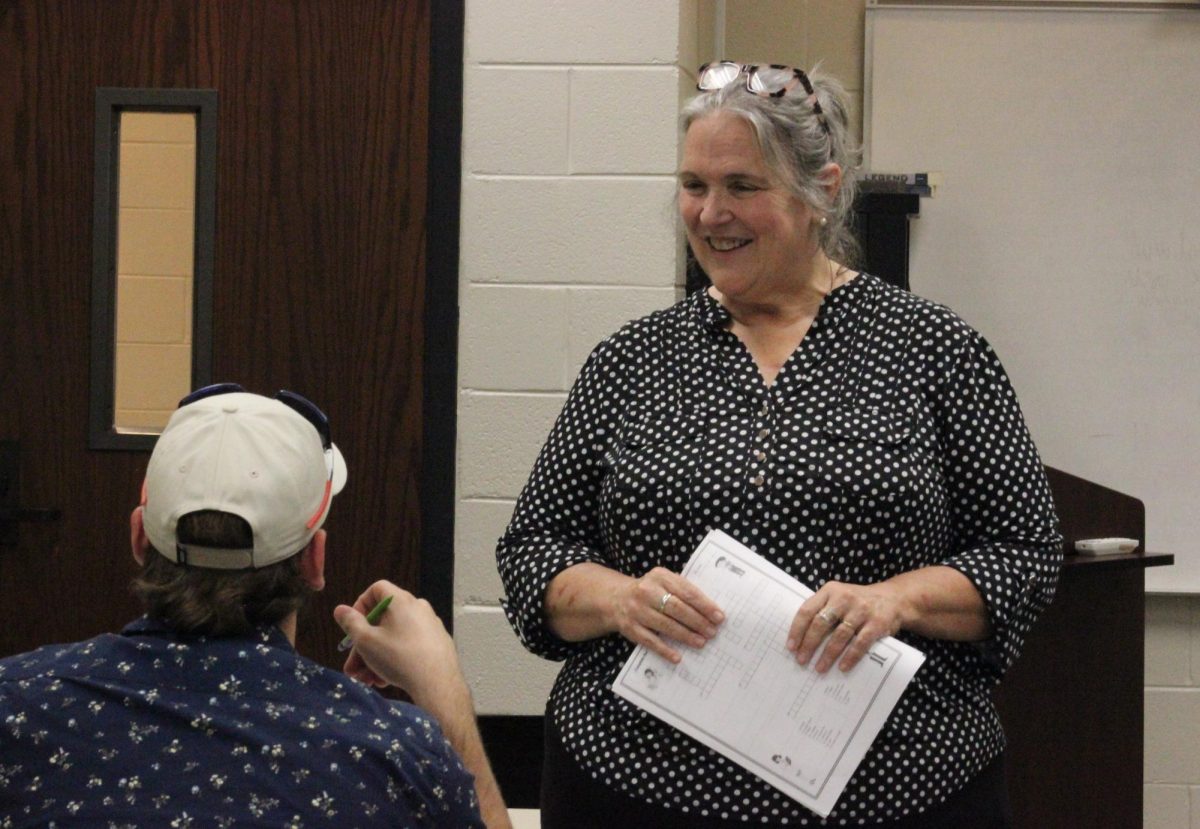
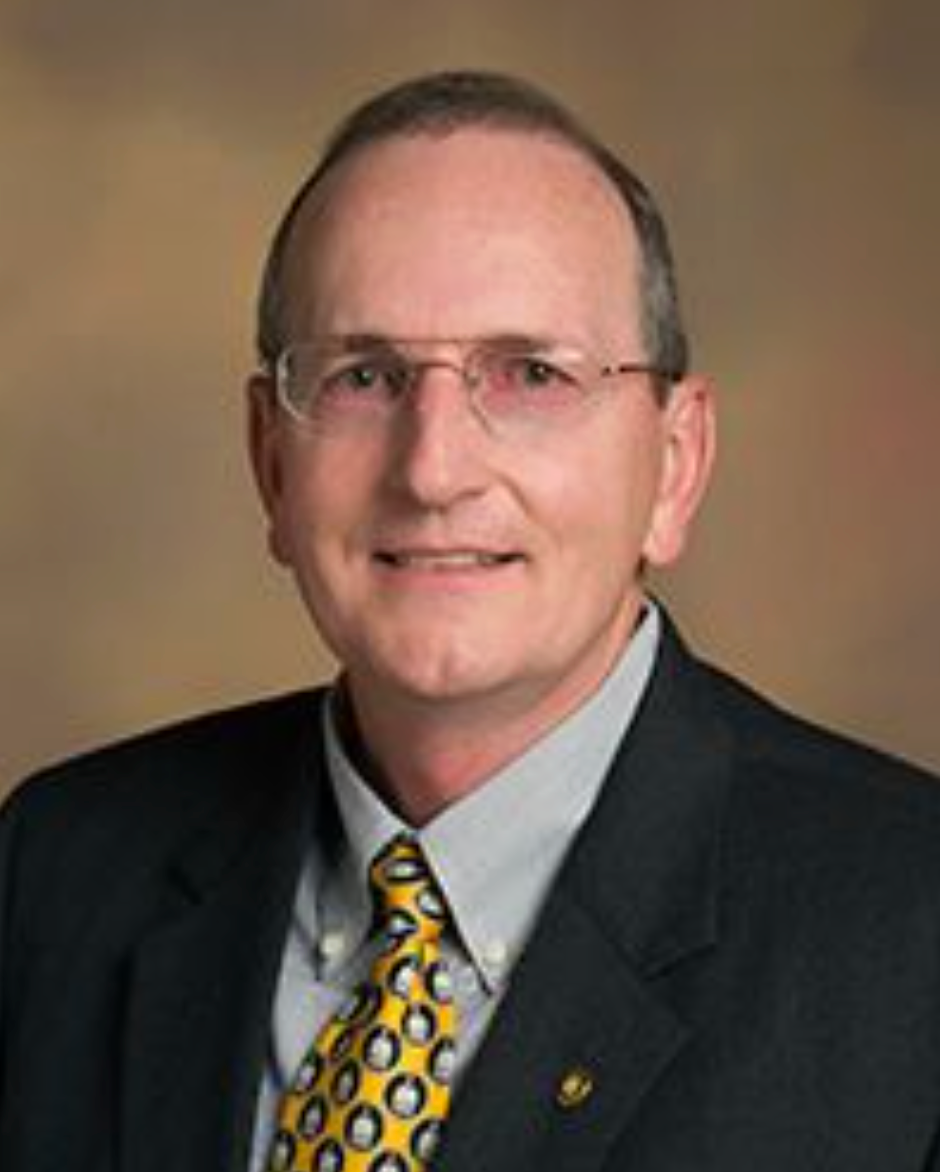





Southern Miss Libraries hosted a panel about open access, publishing, and scientific integrity on Oct 30. The panelists were Dr. Mac Alford, Dr. Courtney Luckhardt, Dr. Douglas Masterson, Dr. Donald Sacco and Dr. Kayla Stan. Josh Cromwell was the moderator. The panelists discussed the risk of fraudulent research to scientific credibility and the importance of openness and transparency in encouraging research credibility.
The Open Access movement is an effort to make scholarly literature and research freely available to the public, without paywalls or subscription fees. Open access seeks to accelerate scientific progress, promote social equity, and support author rights.
The panel started with the panelists discussing scientific fraud and whether it is as prevalent as people worry.
“We are in competition for jobs and research money,” Alford said. “When people are in competition, they sometimes go on to take shortcuts.”
Alford further explained that it is not only the authors, but also the reviewers who might rush to push papers out. He gave an example of one of his own publications, where the paper was submitted on a Friday and approved by Monday. He questioned how thoroughly the reviewer had read the paper to approve it so quickly.
Stan questioned the gatekeeping in the scientific community, especially when it comes to publishing.
“We should be looking into invite-only journals that are high impact; we should be looking at editorial boards where they are only publishing that they have worked with before,” Stan said. “Maybe it is not scientific fraud, but it seems like gatekeeping.”
She then talked about journal articles being published online first, hence being referenceable, but getting an issue years later to artificially inflate their impact factor.
The group also discussed open access. Sacco mentioned that he has to pay to publish his papers when he reviews others for free.
“I think it’s a disservice for these journals to brag about how open their papers are when you consider the amount of labor that they are getting for free and then charging those providing them with the free labor,” Sacco said. “This publication model is questionable at best.”
Masterson also questioned the publishing practices and compared current publishing practices to those that were applied when he first started publishing.
“When I first got into publishing, we paid a nominal page charge, and the library paid a reasonable fee for the journal, and the society that published it did not make a profit off it,” Masterson said. “But now I go to the American Chemical Society meeting, and they are talking about the money they are making from the publishing side of it.”
Masterson also added that he has a pay a membership fee to be a part of the society, which claims the lack of money for outreach programs. Masterson questioned the disconnect there, especially for a non-profit organization.
Stan added that it is either the university or the author who pays huge amounts of money to keep research papers accessible, which ultimately leads to profit for the publishers. To shed a light on the need for open access, she also mentioned that she lost access to half of her own published works when she came to Southern Miss because we do not subscribe to the journals in which she published.
Luckhardt mentioned that she thinks AI fraud in research will do some damage short term, but she does not see it working out in the long run.
“At some point, it has got to start eating itself right,” Luckhardt said. “If it doesn’t have new data, it will continue spitting out wrong things.”
She also emphasized the importance of research quality over publication quantity.