

















The U.S Department of Homeland Security proposal to eliminate the long- standing “duration of status” policies has left international students nationwide anxious about potential increased deportation risks and expenses.
After over 30 years of allowing international students to stay as long as they maintained status, DHS proposed in Aug. 2025 to replace this with fixed end dates. The plan, currently in review, would give about 1 million students specific expiration dates for their stay. Unlike the existing system, they would no longer be automatically allowed to stay while their application is pending, risking loss of status unless their extension is approved.
Attorney General Kwame Raoul of Illinois, leading a coalition of 16 state attorneys general, criticized the proposed rule for imposing “burdensome restrictions” that “unnecessarily burden” international students, creating “increasing deportation risks.”
Apart from managing academic and immigration responsibilities, students needing extensions for their graduate and doctoral programs would have to apply early before their authorized stay expires. With the proposed reduction to 30-day grace period, there will be far less protection from administrative delays, increasing the risk of accidental overstays.
The American Council on Education called this change “unrealistic,” noting many students rely on the current 60-days to complete important responsibilities. That grace period allows some students to wait for extension approval.
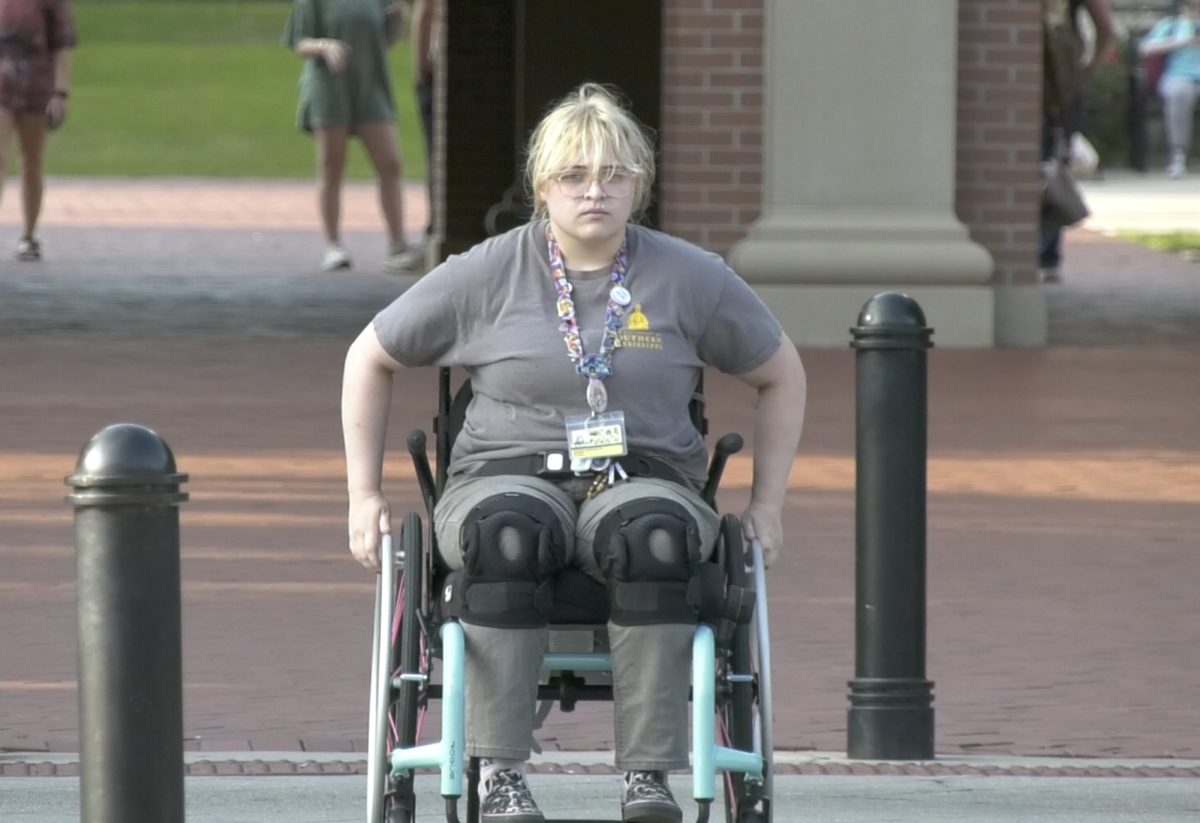
Niyati Tamang, a polymer science student on a five-year visa, shared concerns that a shortened timeline would leave international graduates with little time to plan their futures.
Tamang said that while some students plan ahead for further studies, many remain uncertain about their plans after college.
“If you decide to go for graduate school or any other higher education, you will do it earlier,” Tamang said. “But what if you are not? Most of the people don’t know what they will do even after their graduation.”
That uncertainty could become even more pressing under the DHS proposal. The plan would eliminate the current grace period. Consequently, students would be required to maintain legal status by filling the Form I-539 more frequently, with each program stage having a fixed period.
Because each form typically involves several hundred dollars to submit, this change would significantly increase expenses beyond current norms. For students like Tamang, those added costs come on top of an already tight academic timeline.
“I think the four year period should be cancelled because not everybody could finish their study in four years,” Tamang said. ” The grace period shouldn’t be 30 days. It should be increased.”
Her concerns reflect broader worries among international students about how the proposal could curb flexibility. Under the proposed changes, limiting the ability to change academic paths after the first year could further deepen economic inequality.
Right now, students can change their majors or programs at any time by working with their school’s designated officials. They don’t need direct government approval for each change. However, the proposal requires undergraduate students to obtain government approval for every program or major change after the deadline.
The proposal has drawn criticism from the American Association of Universities for potentially widening student inequalities.
The group said many low-income students might struggle to afford application fees, travel costs for embassy interviews or risk status loss due to delays. “This creates a systemic inequity, as wealthier students experience fewer barriers to adjusting their academic trajectories,” the Association stated.
Tamang said that the application fee —often several hundred dollars—to change a major after the time limit would be a heavy financial burden.
“I won’t pay five hundred dollars to change my major,” she said. “I still have to pay for my living expenses because most people, like my family, are middle-class. I have my brother, my mom, and my father; they have to feed themselves, and on top of that, they have to send money here.”
Tamang said $500 is equivalent to about two or three months of living expenses for her family in Nepal.
“It’s a really big deal for us to pay that much just to change a major,” Tamang said. “If I had to change my major after my first year and had to pay, I might consider it twice. If I didn’t have the money, I wouldn’t.”
She also believes it’s unfair to limit how long they have to choose a major, saying that “people change their major even in their junior year.”
Tamang said one year might be enough time for some students to figure out what they want to do, but it’s not the same for everyone.
That uncertainty resonates with the anonymous junior international student who shares the same concerns.
“A year is just not enough,” they said. “I’m not 100% sure what kind of career I want to go into. I still have doubts about the major that I’ve hit — whether I want to do that for work or whether I want to go into something else.”
They added that too much pressure is placed on students, especially international students, who are not only navigating a new country but also making major life decisions.
Echoing that sentiment, Tamang said that the stress can discourage students from making necessary academic changes. “It will be really hard financially and then mentally for students if there’s a fee; they wouldn’t want to change their major,” Tamang said. “They will eventually graduate in that subject…and then later, in their future, if they don’t want to do their job, then it will be very late for them.”
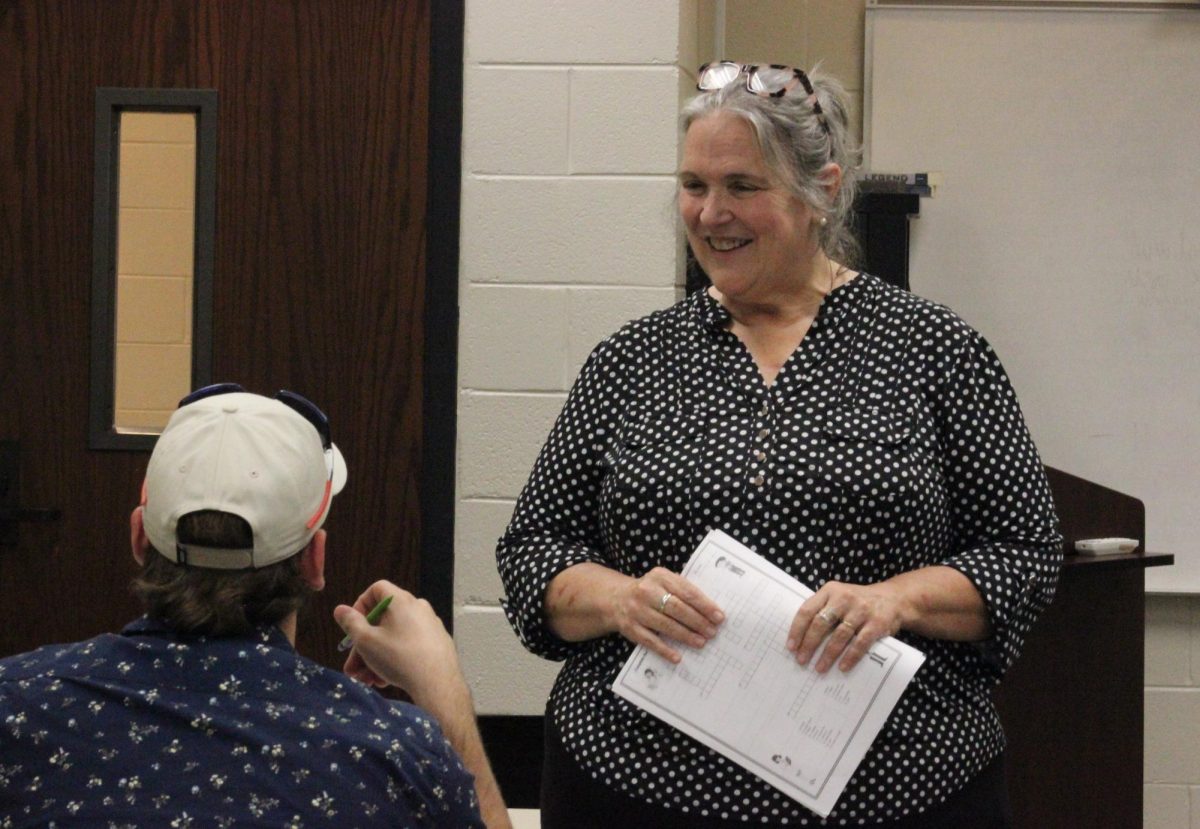
Recognizing these concerns, Leah McSorley, director of International Student and Scholar Services, emphasized that students are not alone in navigating these challenges.
“If someone came and asked me about this, I would say, ‘At this point, this is not a rule yet—it’s just under review. But if you want to prepare, here are some things to think about,’” McSorley said.
McSorley added that students should ensure their program end date matches their major and expected graduation.
“As an office, we try to support students in meeting their academic goals within the guidelines and laws we all must follow as nonimmigrant students,” she added.