






For many college students, student loan forgiveness can feel confusing— but understanding your options now can make a significant difference later. At the University of Southern Mississippi, students planning careers in public service or other lower-paying fields may qualify for two major types of federal loan forgiveness: Public Service Loan Forgiveness and income-driven repayment forgiveness.
PSLF was designed for people who work full-time in public service jobs such as teaching, nursing, law enforcement, or government work. Under PSLF, borrowers can have their remaining student loan balance forgiven after making 120 qualifying monthly payments, which equals ten years of on-time payments while working for a qualifying employer — typically a government agency or nonprofit organization.
Meanwhile, IDR forgiveness is available to almost anyone with federal student loans, regardless of their job. It bases monthly payments on your income and family size rather than a fixed amount. Depending on which IDR plan a borrower chooses, any remaining loan balance can be forgiven after 20 to 25 years of payments. This program can help graduates in careers like journalism, business or the arts — where salaries might start lower than in other professions.
At USM, many students hope to pursue public service careers that may qualify for PSLF. But financial aid experts say even those working toward forgiveness need to avoid simple mistakes when borrowing and budgeting.
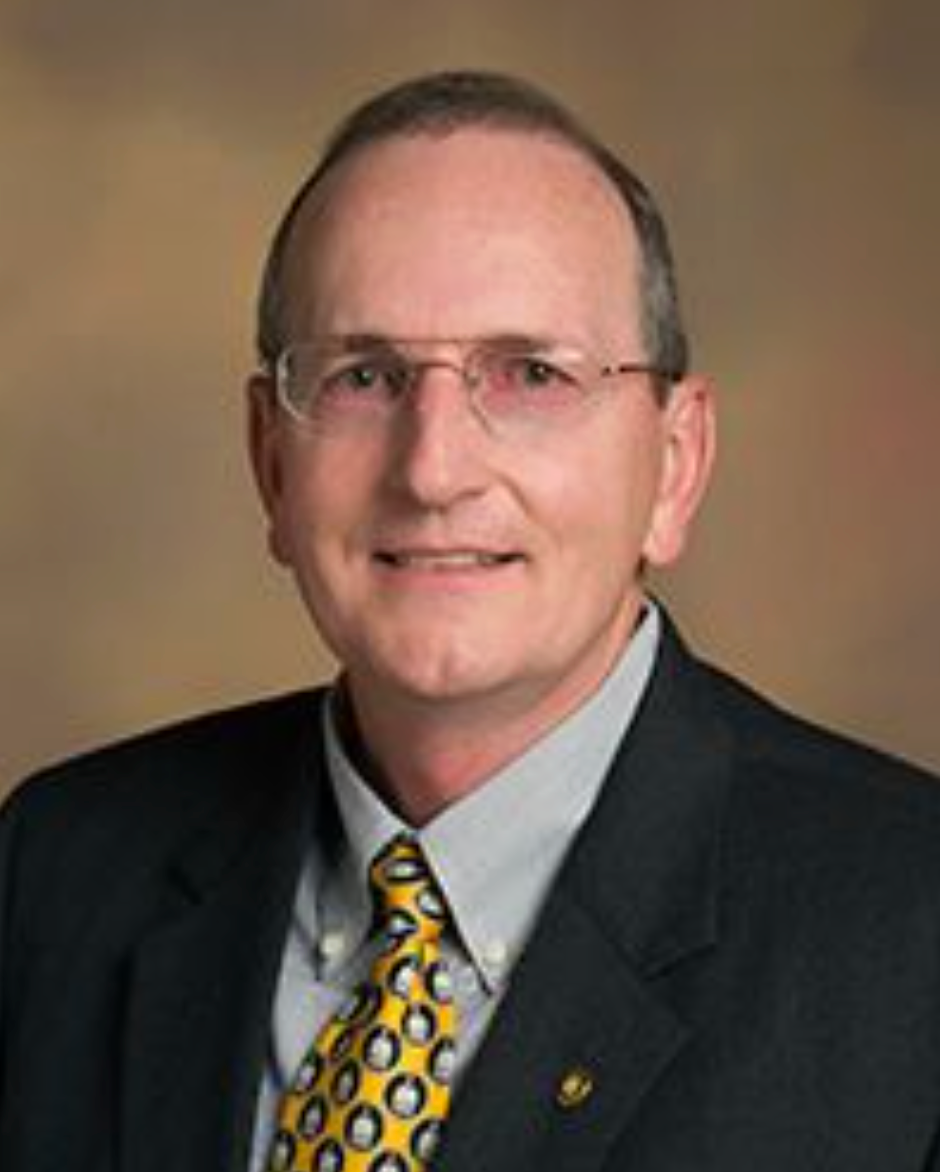
USM Financial Aid Director David Williamson says students should plan carefully from the start.
“I advise them at all times: have a personal budget, know what your monthly income is, and borrow just enough to help you get by,” Williamson said. “Some students think they’re going to have this great job after graduation, and sometimes they don’t get into that job right away.”
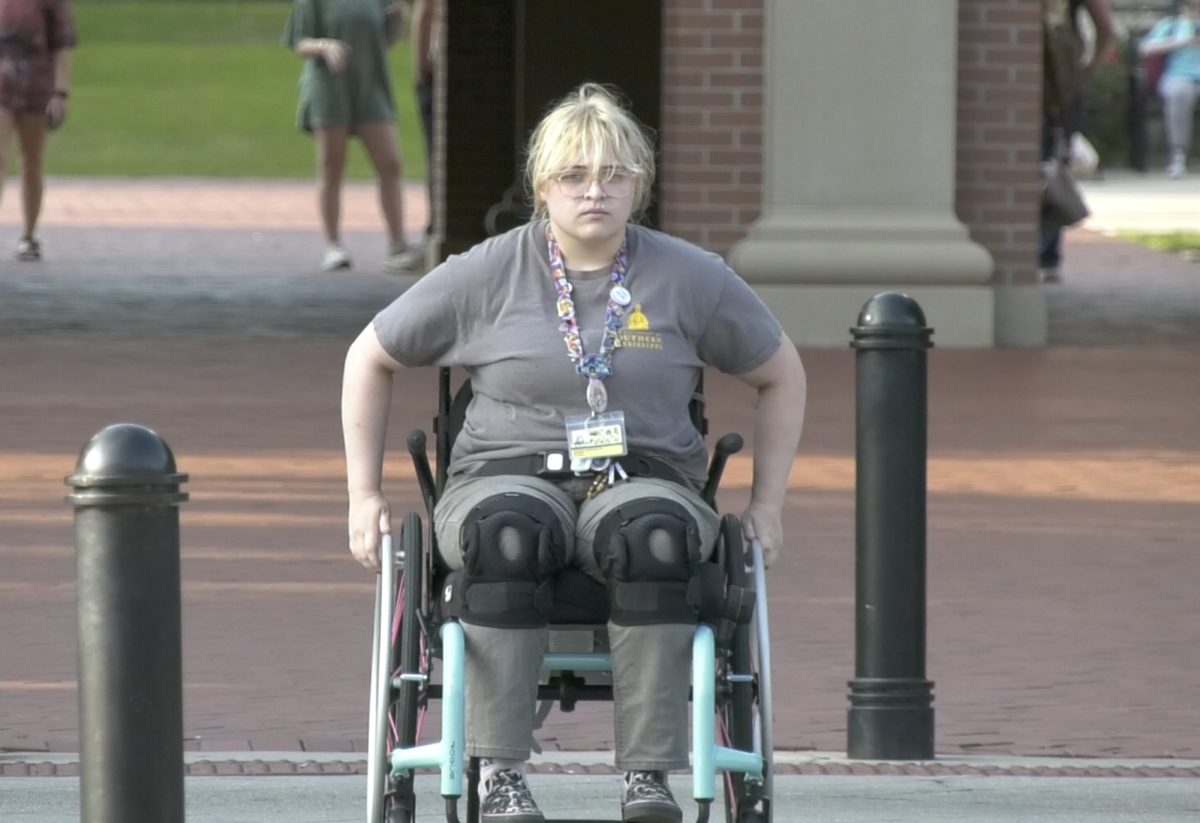
For students like Anna Cardwell, a freshman nursing major, college costs are higher than expected.
“I didn’t think I was going to have to pull anything out, but I pulled out a lot more than I thought,” she said.
However, both PSLF and IDR are subject to change, and recent updates have sparked discussion nationwide. In March 2025, the federal government issued an executive order directing the Department of Education to tighten PSLF rules. The change would prevent workers at organizations that engage in “substantial illegal activity” — such as supporting illegal immigrants, discrimination or trafficking — from qualifying for forgiveness. These rules are expected to begin on July 1, 2026.
Williamson said loan repayment plans and regulations are always evolving, so it’s important to stay up to date and always know one’s monthly income.
USM’s Office of Scholarships and Financial Wellness encourages students to reach out for help. The office provides free financial counseling and resources on budgeting, borrowing, and repayment options.
With careful planning and smart borrowing, students can stay on track and make student debt less of a burden after graduation.