


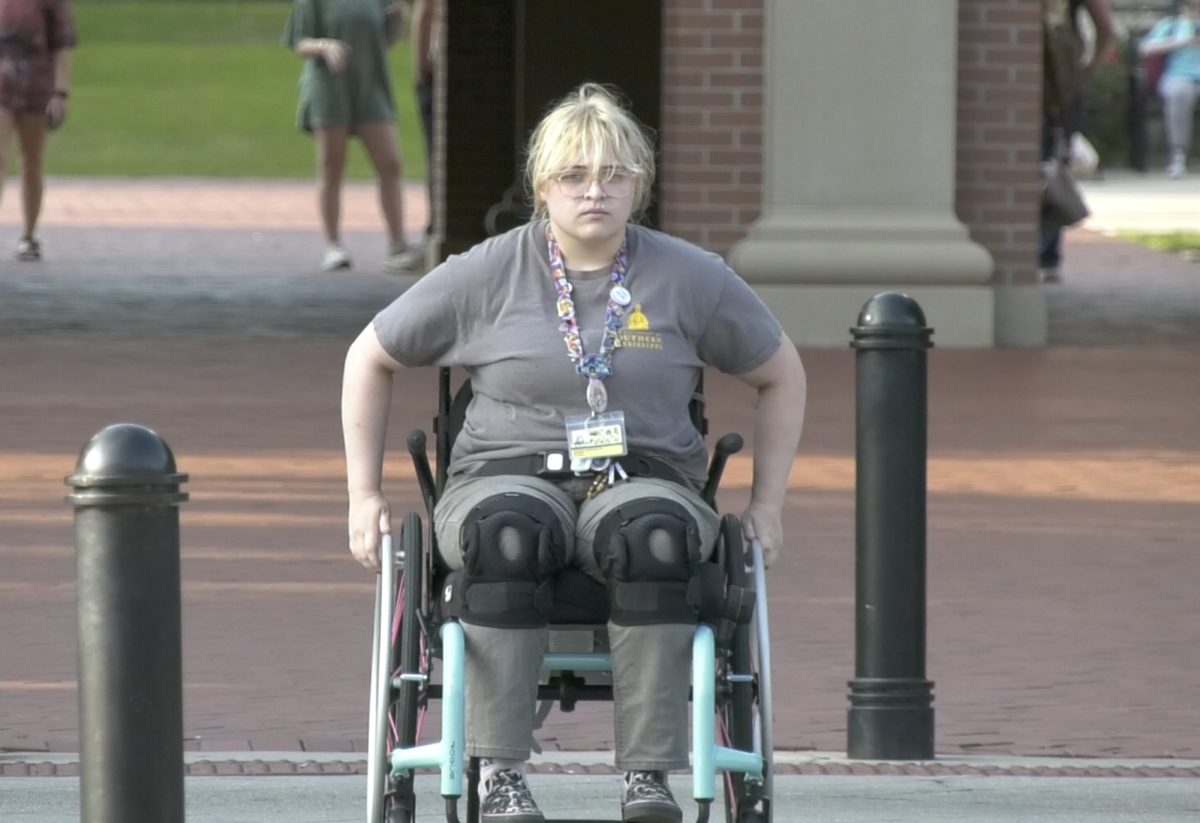










While sitting in classrooms, USM graduate assistant Terriondriah “Terri” Ferguson often found herself surrounded by the confident voices of her white male peers. As the only Black woman in her political science program, she often questioned her knowledge and worried she might be seen as incapable.
But it was during a foreign policy seminar that she doubted herself most deeply, fearing she would be seen as uneducated for being a Black woman.
“There were times when I would say things, and I felt like I genuinely did know what I was saying,” she recalled. “But I would still end off in a question mark — I felt like I always had to do that to make up for in case I got it wrong. I didn’t want them to look at this Black girl who’s confident in what she has to say and ‘Oh, you got it wrong.’”
Ferguson is far from alone. The report “Persistent Challenges Facing Women of Color in Political Science” notes that many women share similar struggles with self-doubt and impostor syndrome. One participant shared, “It triggers those feelings of self-doubt because I am different from the majority, and maybe that majority will think I don’t deserve to be in the same place as they are.”
However, Ferguson challenges her worries about how she’s perceived, reminding herself that she belongs in the classroom just as much as her peers.
“But now I’m trying to get to a point where I don’t care. I know what I’m saying, I did my research,” Ferguson said. “We’re all here doing the same things. I’m not questioning what anybody else has to say, so why would anybody do that with me?”
That concern is rooted deeply in her upbringing in Bogue Chitto, a very small, rural, conservative and predominantly white town.
“Whether it was done on purpose or not, a lot of the time whatever the white person said or did in that space was the correct thing,” Ferguson said. “Whenever a Black person did something, it was the bad thing or whenever bad things happened, they would often highlight Black people…”
There were times when she felt confused by the prevailing ideology in her town. She grew up in a family that embraced and celebrated her Black and lesbian identity. Yet when she expressed that pride outwardly, she sometimes sensed backlash — not overt, but subtle reminders that people like her weren’t afforded the same freedoms as her white friends.
Part of her felt naive until her interest in politics forced her to see the political side of her hometown in a new light. She found it hard to believe that people she knew — friends she played basketball with, teachers she learned from, classmates she saw every day — supported political views tied to Donald Trump’s first campaign.
“It did confuse me,” Ferguson said. “For me it was saying, ‘You don’t like who I am or you don’t think the way that I think, but you think that what I think is as far as an abomination’ or things of that nature.”
That confusion lingered until reality set in. “Me being naive and then the election coming through … I couldn’t be naive anymore to what I was seeing at that time,” she said.
That shift in awareness didn’t stop with what she saw around her — it began shaping how she wanted to act in the world. She chose political science her freshman year at Mississippi College, where the Social Justice Club cemented her passion for it. But attending a conservative campus also brought challenges.
Those issues often showed up when her group tried to address sensitive topics. Once, they organized a Black Lives Matter panel featuring police officers, lawyers, people involved with the prison system, as well as students. The event was widely promoted on campus, and they expected a large turnout.
Just days before, the Mississippi College administration abruptly canceled it, leaving her frustrated.
“I was a little over the sabotage and over how I felt like conservative minds in the state constantly tried to silence people like us — whether you were a minority or people who aligned with minority values or progressive values.”
For some students, that kind of environment might have pushed them away from politics. But for Ferguson, it did the opposite. It deepened her commitment to understand political systems and to challenge the structures that she felt were designed to silence voices like hers.
When she got to USM, that drive only grew. She wants to give voice to what she calls the “blue dots” in Mississippi — small, often overlooked voices in a largely red state.
“I think a lot of the time people have issues articulating those things and doing it in ways where they can reach across the aisle,” Ferguson said. “That was my main reasoning for wanting to study political science. I just wanted to be somebody that could reach across the aisle and better articulate my politics in a place where you probably wouldn’t have had the chance to really get that across.”
But her goal to bridge political divides was soon tested within academia itself. As a Black woman in a largely white, male program, she had to push even harder.
“I felt like I had to do so much so that I could possibly reach the same goals that my peers were reaching,” she said. “But also I’m kind of in that stage now — I’m in my last year of my master’s program — where I’m just gonna do me.”
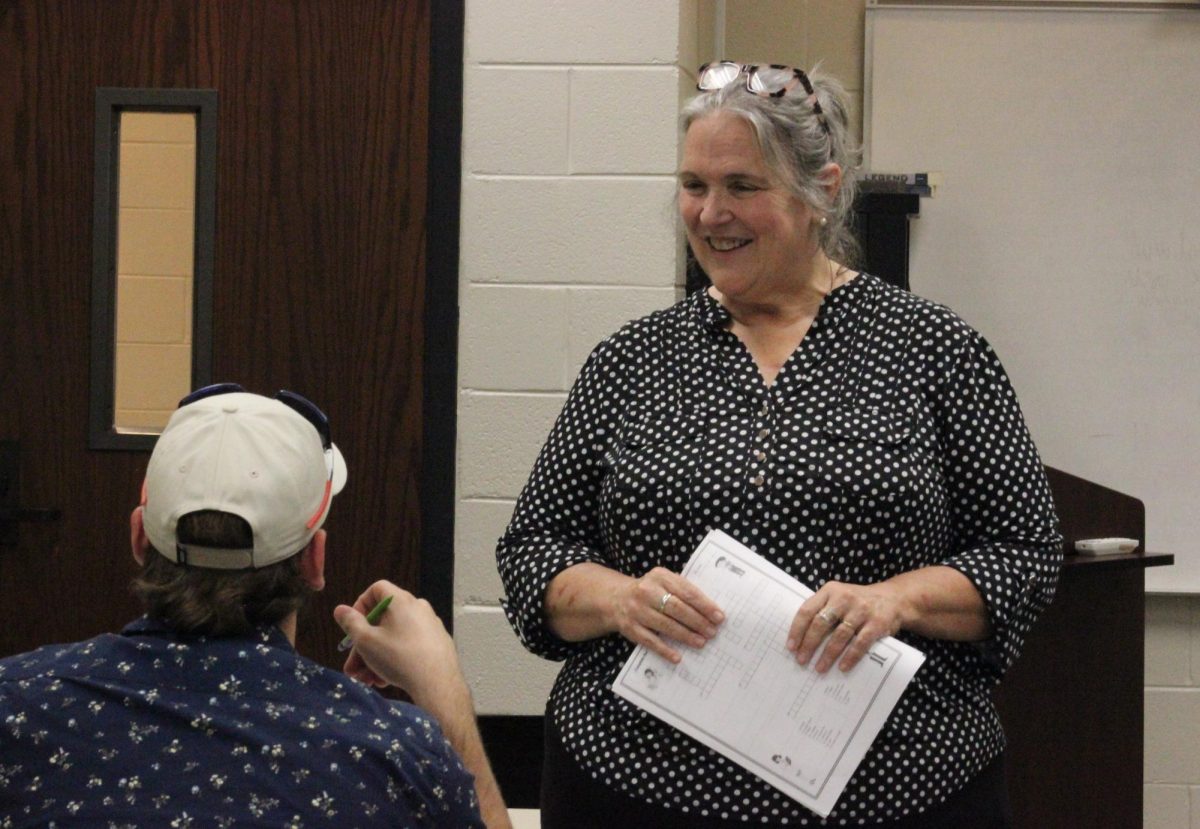
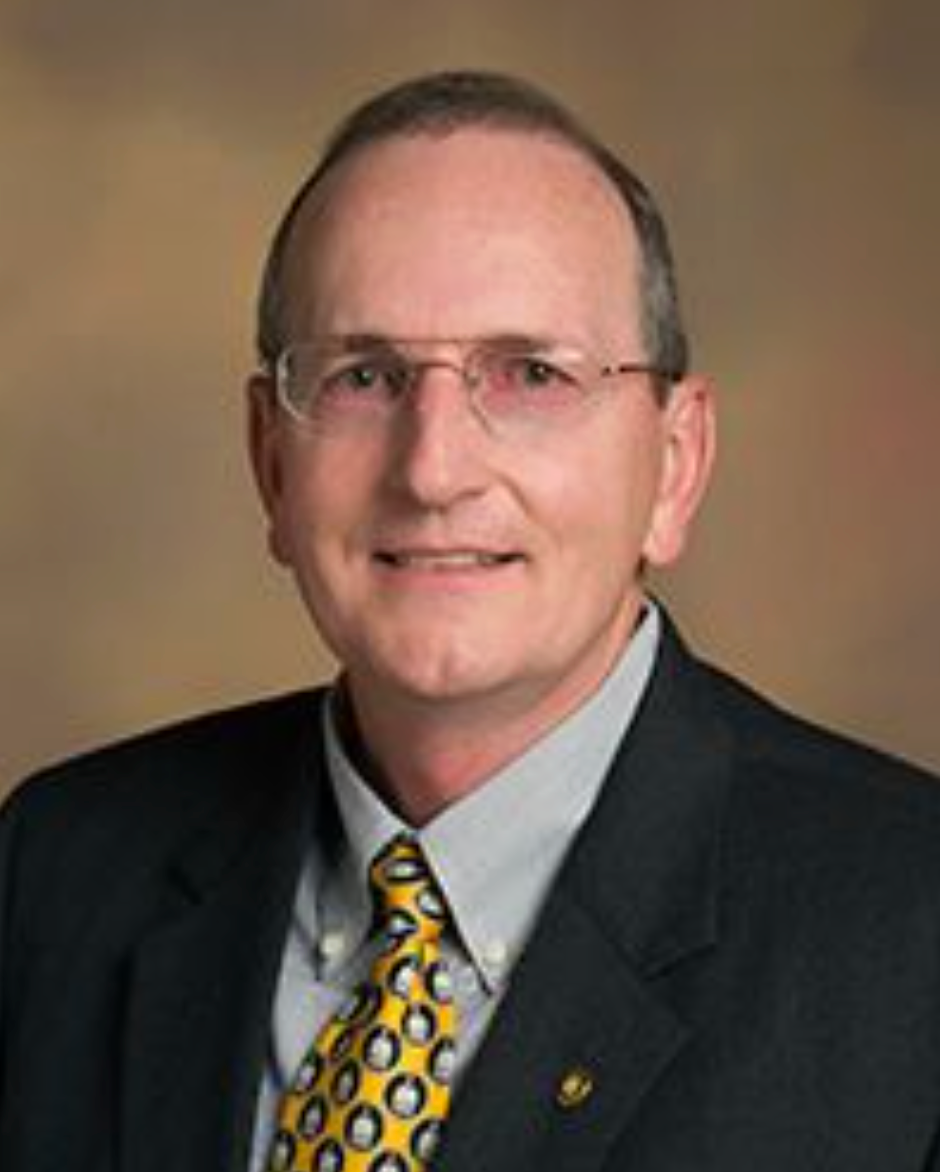
That determination began shaping not just her mindset but also her research. With support from resources like the library, professor of political science Marek D. Steedman, and Vickie Reed, director for the Center for Black Studies, Ferguson explores whether trying to change a system from inside causes people to lose their original goals more than working outside the system to push for change.
That same questioning of systems extends beyond her research to how she views academia itself. She hopes to see more representation of Black women thinkers across disciplines.
“Right now, not just in political science — the liberal arts. There are so many people who have platformed STEM, and there’s nothing — I have nothing bad to say about STEM at all — but I think we’ve lost touch with the thinkers in this field,” Ferguson said. “We need Black women thinkers in this world.”