












A USM professor has won a $60,000 award to kick-start a project that hopes to eliminate the need for nonrecyclable plastics and reduce waste created by food packaging materials.
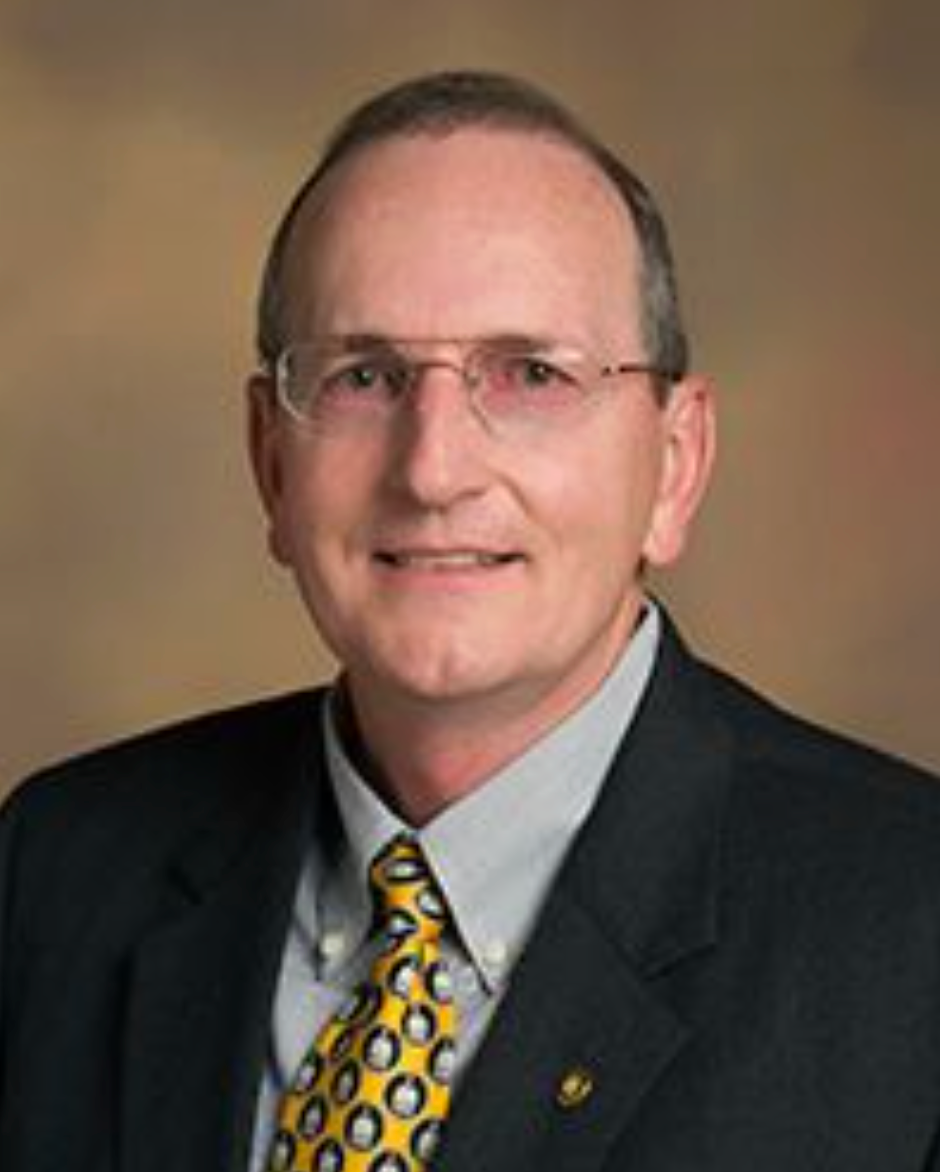
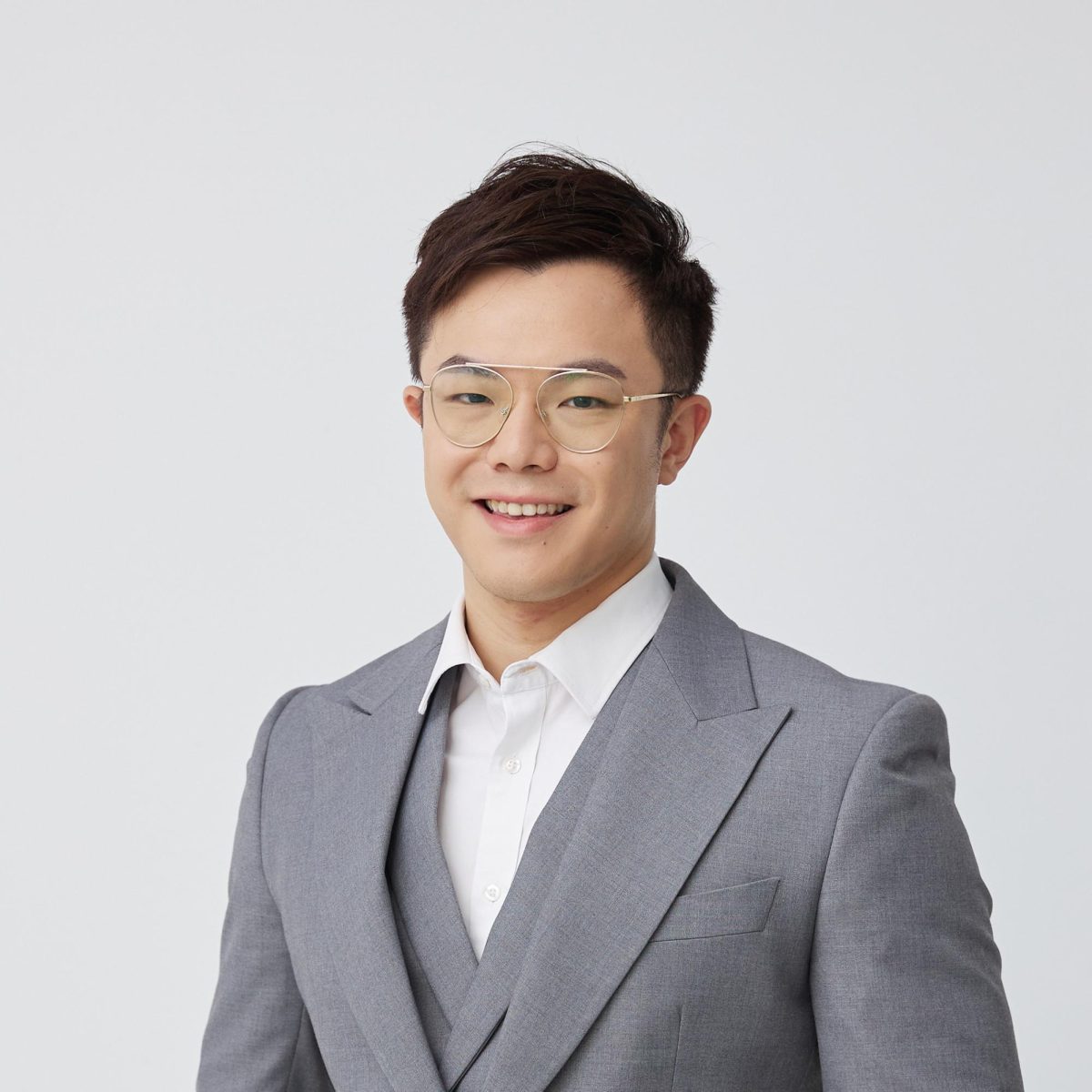
Associate professor of polymer science and engineering, Dr. Zhe Qiang was awarded the grant money by the Scialong Fellowship. The goal of this project is to create a recyclable material that only uses a single layer of plastic. This material is meant to replace the current materials used in the food packaging industry, which uses multiple layers of nonrecyclable plastics to keep food fresh.
“Ideally, if we can make these materials and we can scale this up, it could be replacing millions of tons of packaging materials in today’s world,” Qiang said. “If it’s successful, I think this is not just a scientific improvement but also going to have a huge market impact just because the nature of food packaging, it’s demand is huge.”
The path to creating this material is not without its challenges. One of the biggest obstacles Qiang’s group faces is finding a way to make the material cost-effective for the industry. While the material would be more environmentally friendly as it is recyclable and uses less plastic, companies are less likely to use the material if the nonrecyclable material is cheaper.
“Sometimes you can make a material that works better, recycles better, but if they don’t make economic sense for the market producers and vendors, the impact is limited,” Qiang said. “So, this is a very important thing we have to consider when we design our materials system.”
The idea for the project was developed by Qiang and his colleague Dr. Josh Worch, an assistant professor of chemistry at Virginia Tech, when they met at a Scialong conference. Scialong, short for “science + dialogue,” was created to bring together scientists from different areas of research to spark creative communication and collaboration across scientific fields. The goal is for scientists to work together to solve problems that they might not be able to solve within their own individual disciplines.
“I’m always looking forward to working with different people from different backgrounds, and this is just one example of that,” Qiang said. “I look forward to further learning from my colleagues and collaborators.”
While not a requirement for the conference, researchers like Qiang and Worch who do come together to form an idea are encouraged to write up and submit a proposal for their project. Some proposals are awarded grant funding to turn their ideas into reality. Addressing the common issue that many researchers find themselves in when they have an idea but no way to fund the much-needed initial research. Many companies will not give money to researchers without previous data, proving that the project has a chance of success.
“It’s a very competitive process so when I heard about one of our ideas getting awarded, I was very excited about that,” Qiang said. “Not just because of the recognition of this particular idea, but also the opportunity to work on this.”
The funding gives researchers like Qiang and Worch a starting point for their projects. Allowing them a way to bring their ideas to life and gain data that will hopefully help them pursue further funding in the future. The conference helps scientists to gain new perspectives, create connections and hopefully make an impact both in the scientific community and the broader public.
“What I want to see here is that there was a solution developed that addresses a particular problem, and our group contributes to that,” Qiang said. “I don’t think our group can address one problem or any problem without the entire efforts from the scientific communities, but I hope that we can be part of solutions that bring real benefits to the people.”
Qiang moved to the United States from Shanghai, China, when he was 17. He studied at the University of Akron in Ohio, where he gained his master’s and Ph.D. in polymer engineering, before moving to Chicago for his postdoctoral training at Northwestern University. Qiang accepted a position with USM in 2019, where he works as an assistant professor, advisor and runs a research group that focuses on understanding and tackling sustainability issues in the world.
“I think he’s a really good advisor. He’s hands-on when he needs to be,” said Nicholas Gajkowski, a second year PhD grad student in the School of Polymer Science and Engineering. “I feel like he is a good balance of knowing when to push you and when to step back.”
During his six and a half years of working at USM, Qiang has worked with many students in both the classroom and the lab. He takes pride in his work as a researcher and mentor, saying one of his biggest accomplishments is being able to watch his students grow as researchers. Qiang wants others to see his students as a reflection of the impact he has had on them and his community.
“Seeing them growing and becoming better is one of the most rewarding experiences because I sort of know where they are coming from,” Qiang said. “I know how much effort they put in and know how much passion they have to inject in this area and this is something that I’m super proud of.”
For now, the project is in its early stages, with Qiang’s research group and colleagues still in the discussion phase of the process. Qiang hopes that within the first year they can gain enough data to not only obtain more funding but also have scientists from other areas of research join their project. He also is continuing his work research group that hopes to find more effective ways to recycle plastics, that while impact both the scientific community and the public as well.
“I think what really matters here is that by recycling these plastics, by reducing plastic pollution, I hope that the broad society can get more benefits by getting more environmentally friendly solutions,” Qiang said.