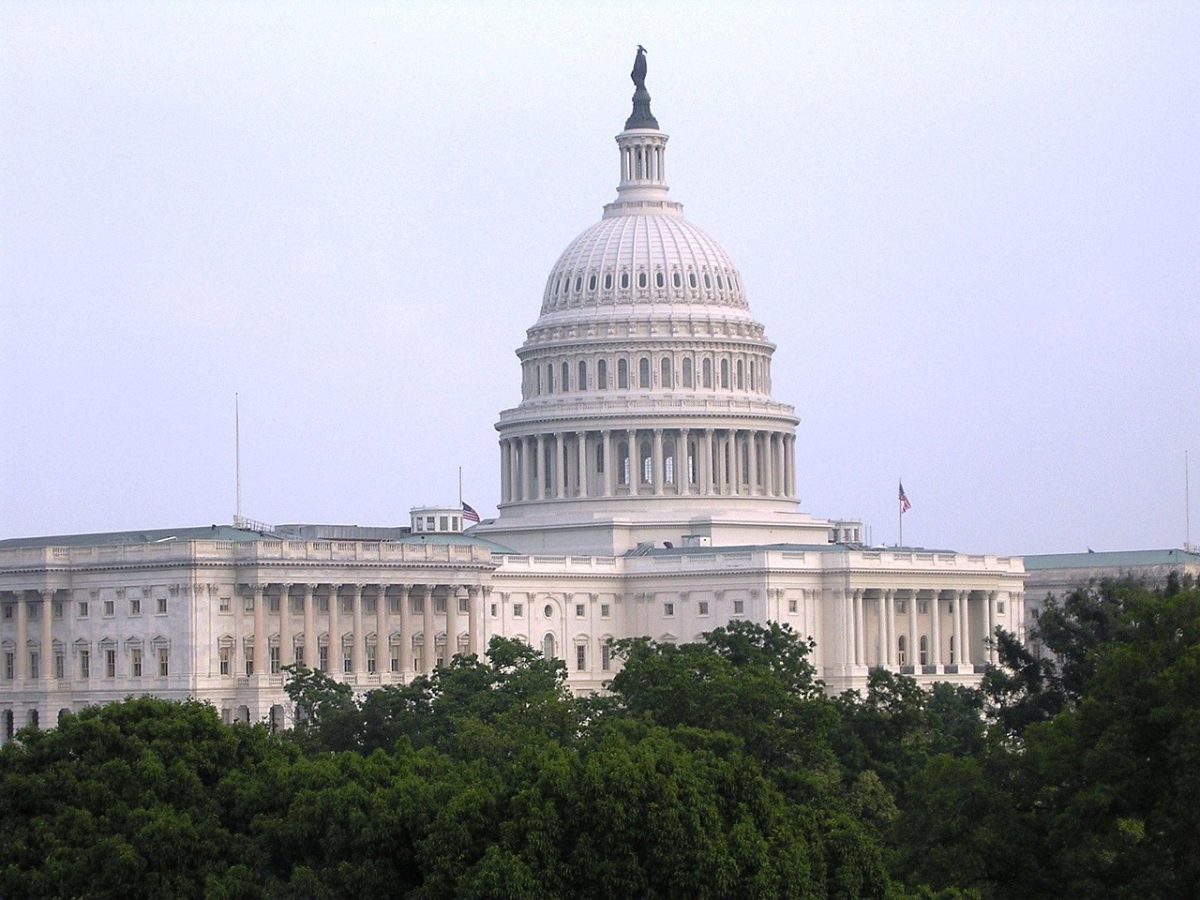














Major staff cuts at the Education Department’s civil rights office have weakened — and could further exhaust — federal tracking of campus discrimination, reducing oversight of injustices.
The U.S. Department of Education Office for Civil Rights cut staff from more than 560 to nearly half that number in March 2025, placing around 260 to 300 people on paid administrative leave pending lawsuits. That reduction grew the complaint backlog from 16,500 to over 25,000, slowing the department’s efforts to monitor discrimination nationwide. Even after some staff returned, OCR is still recovering from months of delays, meaning some campuses may face fewer external checks on internal investigations or equity data.
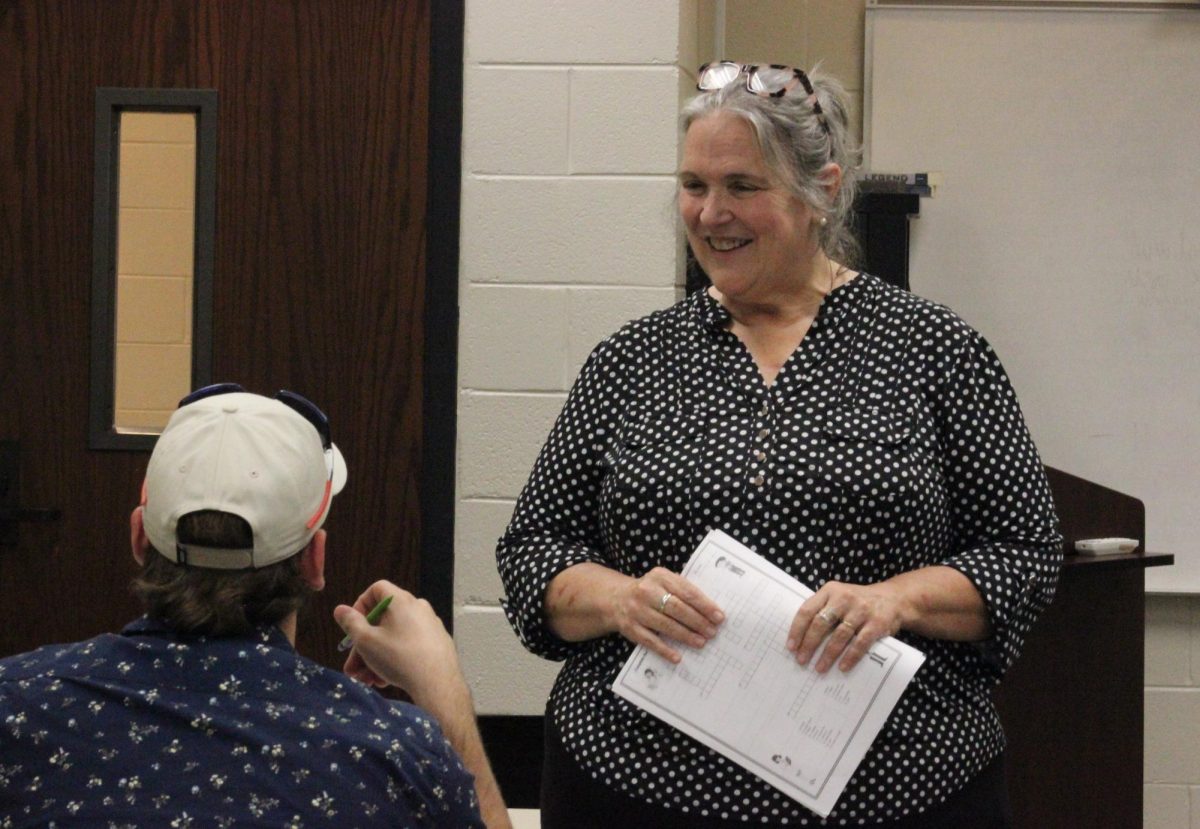
At the University of Southern Mississippi, however, Title IX Coordinator Cristin Reynolds— who addresses sex-based discrimination and inequities— said the current OCR situation doesn‘t affect how Southern Miss’s Title IX Office operates, as the university remains in compliance with federal law.
In recent years, OCR’s oversight has included routine reviews at institutions across the country, such as a 2023 claim at Southern Miss that raised questions about women’s athletics equity. That review concluded without any publicly released findings or announced policy changes.
For some students, such reviews emphasize the importance of external accountability. Undergraduate student Carl Wilson credits campus staff as professionals with solid procedures but worries that reduced federal involvement could weaken external accountability.
“The reduction in OCR staff does make me concerned on a wider scale, especially when it comes to ensuring accountability beyond the institutional level,” said Wilson.
Wilson noted that when accountability processes occur internally, some students naturally wonder whether outcomes are fully transparent or whether resource decisions— including in areas like athletics— are always truly objective.
“Even if processes are handled appropriately, the lack of visible external review can create doubt,” Wilson said.
He added that external oversight can offer an added layer of reassurance for students because it exists outside the university’s own systems, helping identify broader trends that may not be visible within one institution alone.
That sense of reassurance, Wilson explained, also shapes how confident he feels about coming forward himself.
“If that layer were weakened, I think I would have a change of mind in terms of confidence,” he said. “Not necessarily that I wouldn’t report, but I might think more carefully about the process and potential outcomes.”
Some students say external oversight is especially important when they believe campus processes fall short.
Several students reported knowing peers who filed harassment complaints but did not feel the outcomes improved their safety. In some cases, students said alleged harassers were allowed to remain in shared spaces such as residence halls, even after reports were filed, leaving victims feeling unprotected.
Others said that while the university acknowledged complaints, they did not see what they believed were meaningful consequences, which led them to question whether reporting processes were effective or consistent.