

















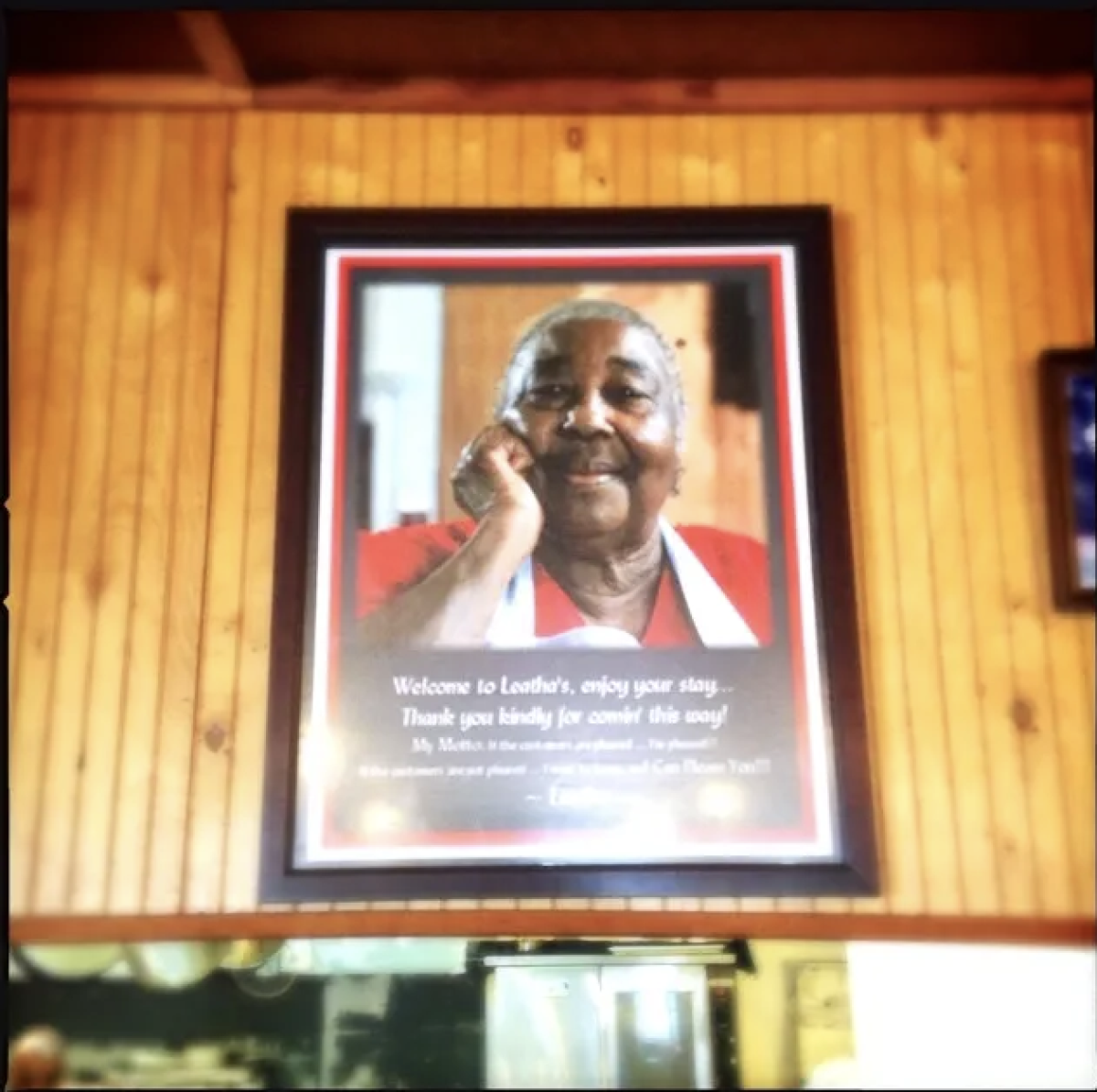
The Sixth Street District Museum honors the life and legacy of Mississippi barbecue icon Leatha Jackson through a new photography exhibition that highlights her journey from poverty to national recognition and the community she helped build.
The exhibit, “Where Smoke Meets Soul: Leatha’s Bar-B-Que and The Community It Built,” runs from Feb. 5 through April 25 at the Historic Eureka School. It is part of the museum’s new Cooking Up History Series, which aims to preserve and share the stories of influential African American entrepreneurs in the Pine Belt. The exhibition is free and open to the public Thursday and Friday from 11 a.m. to 2 p.m. and Saturdays from noon to 2 p.m.
Organizers say the exhibit not only celebrates Jackson’s award-winning barbecue but also her lasting impact on the city of Hattiesburg and surrounding communities. Through photography and storytelling, visitors can learn about her humble beginnings, her rise to success, and her dedication to uplifting others.
Before becoming a well-known entrepreneur, Jackson grew up in poverty and spent her childhood picking cotton on a farm. Determined to create a better life, she studied successful businesses and developed a vision of opening her own restaurant. Her drive and perseverance eventually led to the creation of Leatha’s Bar-B-Que, which became a staple in the Pine Belt.
Jackson first operated her business in Hattiesburg before relocating to Petal. Over the years, her restaurant gained regional and national attention. It earned multiple honors, including Best in the Pine Belt and Best Restaurant in Mississippi. Her signature recipes and dedication to quality helped set her apart, but museum leaders say her character and generosity were just as important as her food.
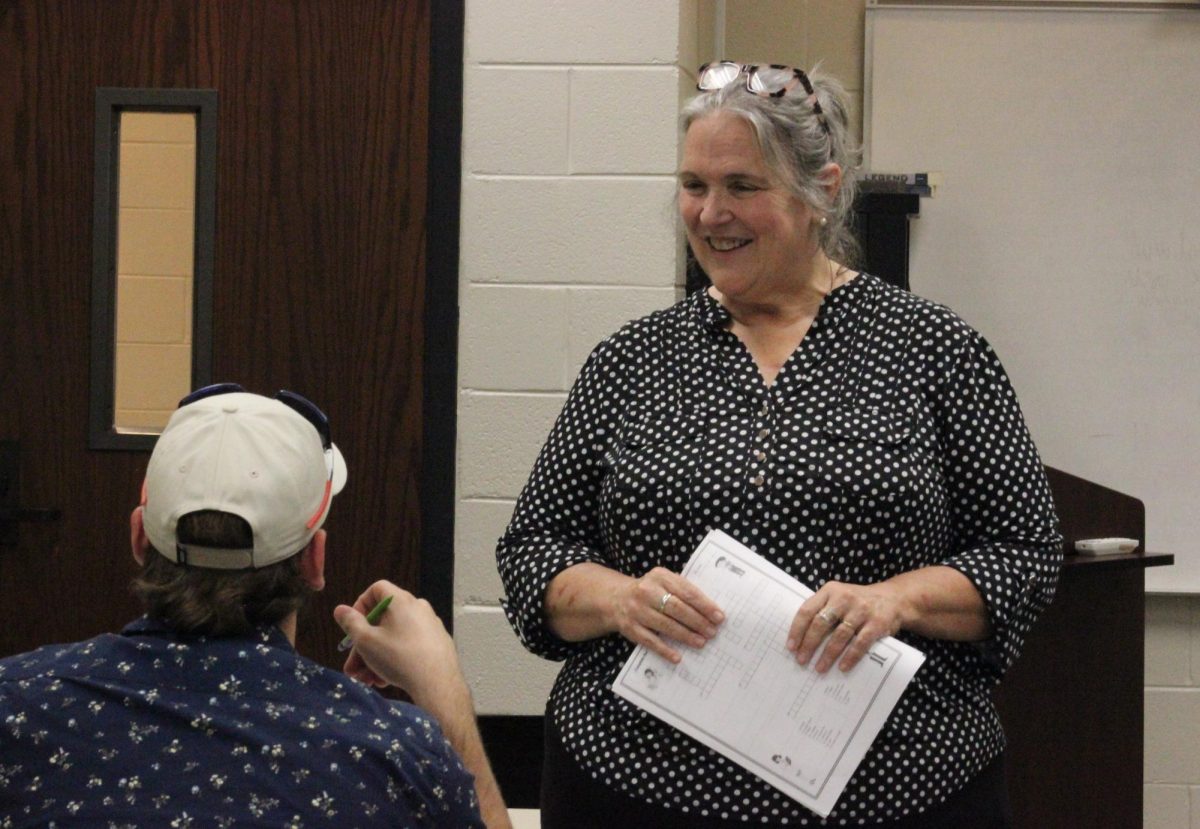
“Exploring her story of how she started from these very humble beginnings and still maintained that humility through national recognition and winning all of these awards is what we hope to display,” said Natalie Ponder, the collections and exhibition specialist at the Sixth Street Museum. “We also want to show how she built community not only with her family but with citizens of Hattiesburg.”
Beyond her restaurant, Jackson was known for supporting community members through philanthropy and mentorship. She often provided meals, resources, and encouragement to those in need. Many residents say her business served as more than a restaurant—it became a gathering place where people from all walks of life felt welcome.
“Her restaurant wasn’t just about barbecue,” said Ponder. “It was about creating a safe and welcoming space where people could come together, celebrate, and support one another. That sense of family and connection is still felt today.”
The exhibition features photographs, historical documents, and personal stories that illustrate Jackson’s influence. Museum leaders say photography was one of the most powerful ways to capture her inspirational journey and the relationships she built.
As the Cooking Up History Series begins, organizers hope visitors leave with a deeper understanding of Jackson’s impact and the role Black entrepreneurs played in shaping local culture during segregation and beyond. They also encourage younger generations to learn from her determination, resilience, and commitment to community.