


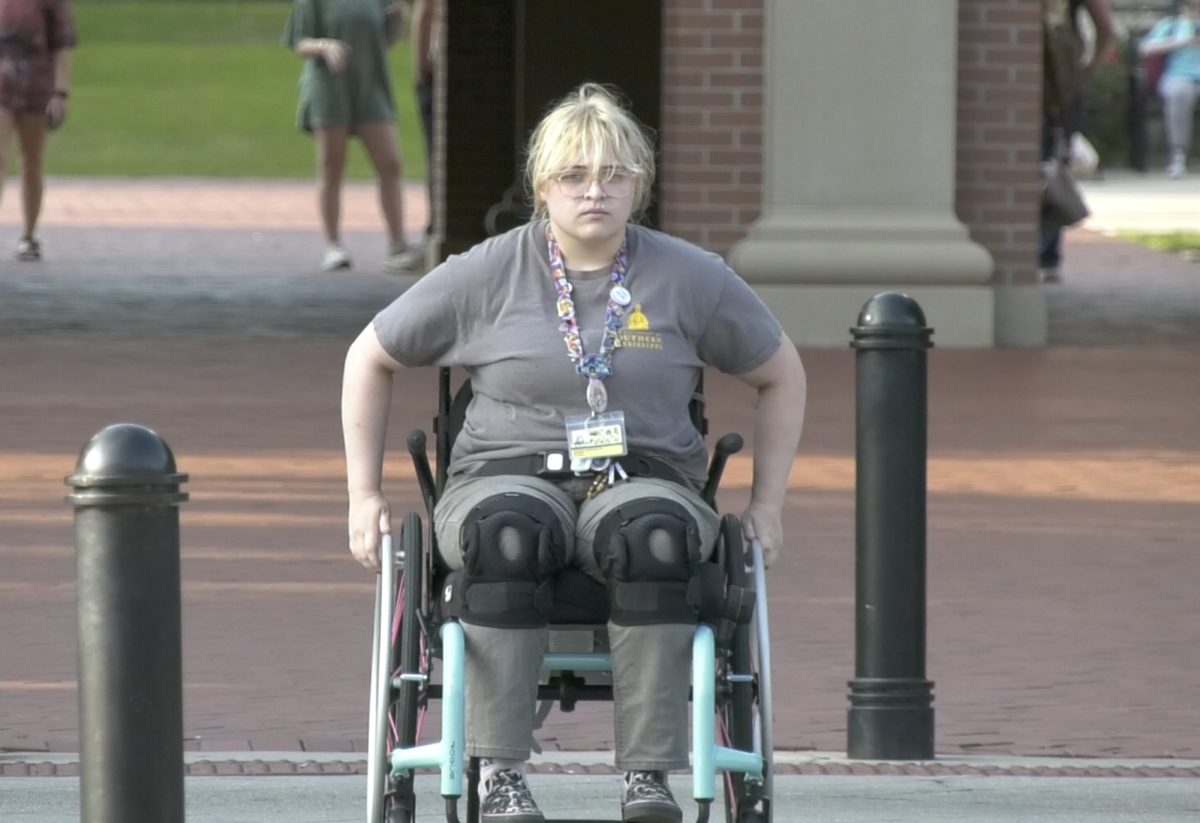











Late one evening, student Andrew Carter surrounded himself with glowing screens and scattered notes. He was up for 24 hours straight making it his most jarring night of college but after this he realized self-care and campus resources are the best ways to alleviate stress.
Carter’s experience isn’t uncommon.
Students and mental health experts at The University of Southern Mississippi say that making time for yourself, developing strong support systems, and utilizing tutors can help with academic stress before it becomes overwhelming.
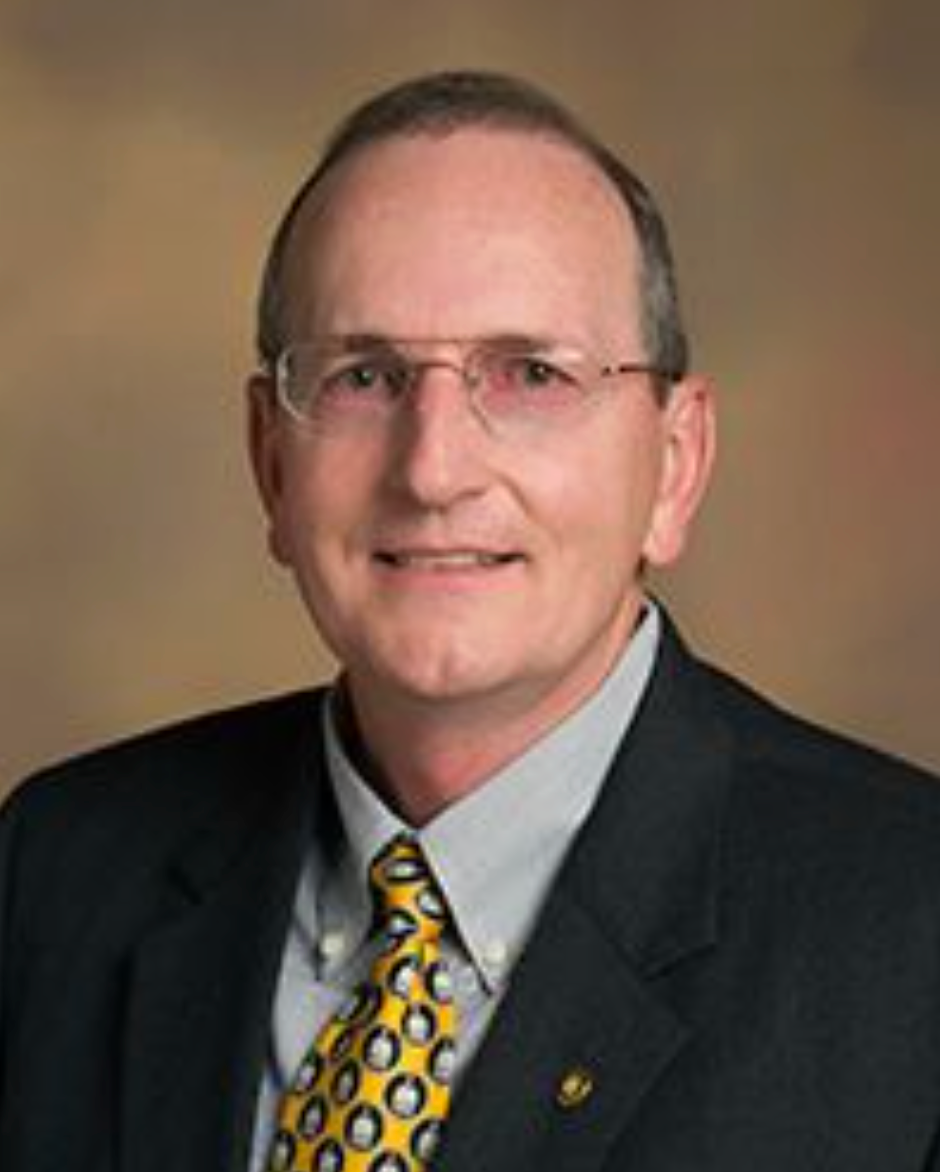
Carter is a junior architectural engineering and technology major. His constant pressure taught him one of the most important lessons of college: taking care of himself.
“With my major, I feel like we are working pretty much all the time,” he said. “You do have to go in and have these little pockets of you time, but for the most part, we don’t have too much time for ourselves.”
Carter now creates boundaries—even during demanding weeks. He takes intentional breaks by watching videos that make him laugh, walking around campus, going to the gym, or journaling when he feels overwhelmed.
“My grades aren’t a reflection of my value,” he said. “School is important, but I’m priority number one.”
This realization made him turn to academic resources when classes became too difficult. Large lecture classes left him struggling to keep up, especially in math, until he turned to the Math Center in Cook Library.
“The Math Center is very one-on-one work, and I got to the point where I would talk to them even after the center was closed,” said Carter. “We would get food, talk, and they’d give me advice about life in general.”
For him, academic support turned into emotional support.
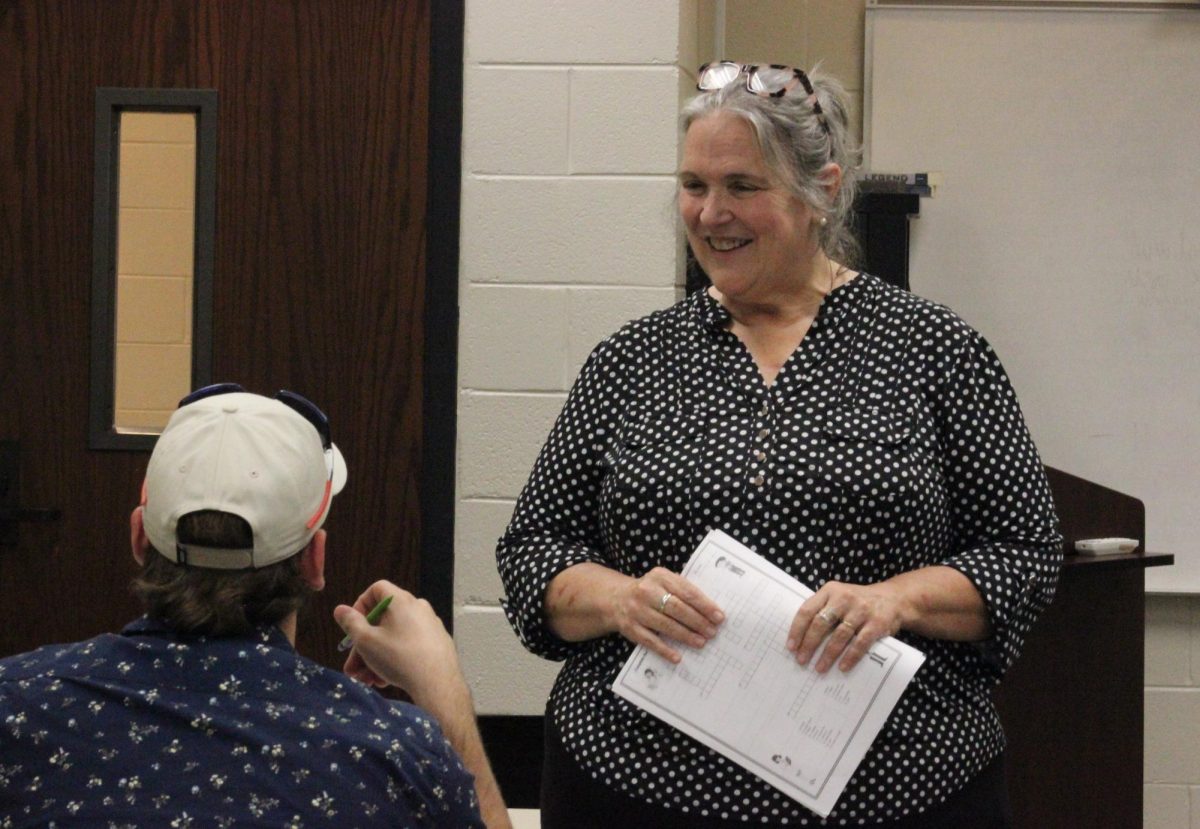
Psychologist Dr. Kristy McRaney, director of the Center for Behavioral Health, says building strong relationships across campus—whether with professors, RAs, or staff—can be one of the most effective ways to reduce stress.
“Those academic pressures are coming from things that are flexible, and many faculty are willing to be flexible,” McRaney said. “Building those relationships early on can help you when those stressors get high.”
But she understands that asking for help isn’t easy for every student. For those unsure where to start, she recommends the USM Needs Help website, which consolidates academic, financial, and emotional support resources.
Not every student finds relief immediately. Junior biological sciences major Saniyah Saddler learned that firsthand after a
demanding week of exams left her with a 68 on her physics and evolution test. When she met with her professor to explain, she didn’t feel heard.
“Instead of listening to me, he kind of made me feel like I didn’t really know what I was talking about,” Saddler said. “I went to the bathroom and cried.”
She pulled herself together by reminding herself of her own capabilities. That moment pushed her to improve her time management.
“Working efficiently and spreading work out over time is the key,” said Saddler.
Dr. McRaney at the Center of Behavioral Health says another great campus resource is the Student Counseling Services. She encourages students to attend there before the Center of Behavioral Health because it’s free of charge and accepts walk ins. The Center for Behavioral Health instead serves the community along with students, charges fees and is a clinical training site.
McRaney says if students would like to explore other options after trying Student Counseling Services, the Center for Behavioral Health could be the next course of action to take.
As director, McRaney also works to correct misconceptions about crisis support. Many students believe that acknowledging crisis situations, such as suicidal thoughts, lead to automatic hospitalization, but she says that’s not true.
“We work really hard to keep people safe without having to be hospitalized,” she said. “We can do a lot of really good work with safety plans that don’t require hospitalization.”
For sophomore pre-med student Iriel Duplessis, stress comes from balancing school, RA duties, sorority life, and friendships.
“I struggled to find a schedule that fits everything,” Duplessis said. “It depends on finding what brings you joy during the storm and who to surround yourself with.”
Her support system, she says, keeps her grounded.
Academic stress may be woven into the college experience, but students like Carter, Saddler and Duplessis are learning it doesn’t have to take over their life. Whether through late- night study sessions, journaling, long walks across campus, or talking with tutors who become friends, balance is essential.
USM students discovered that managing stress isn’t about pushing harder—it’s about knowing when to pause, reach out, and protect one’s well-being along the way.