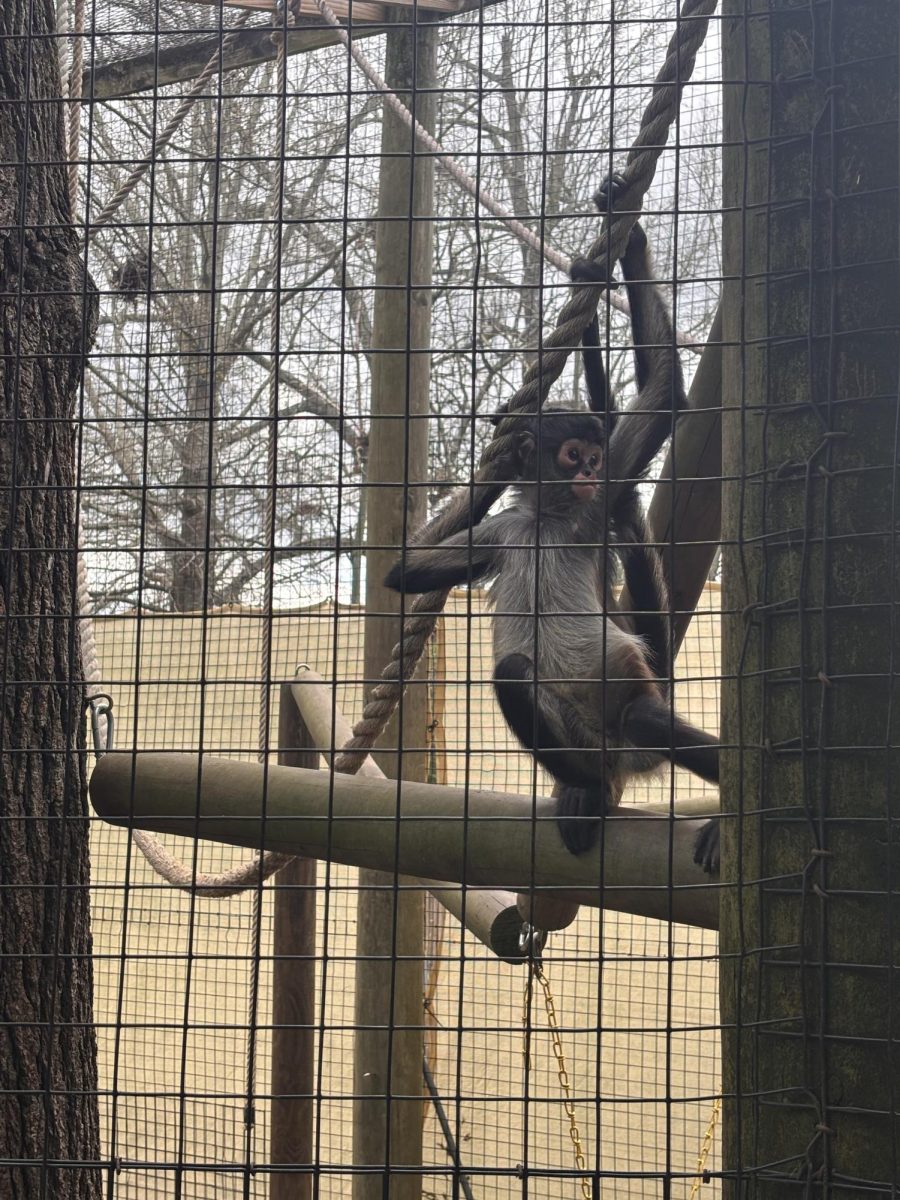















By noon, the zoo was humming. Kids pressed their faces to the glass, sticky palms leaving smudges as a lemur darted past. Moms pushed strollers through patches of shade, a child’s head hanging lazily over the side to get a glimpse of the tiger. Somewhere, a monkey let out a sharp whoop, and a giraffe lowered its head just enough to meet a child’s outstretched hand.
Behind the fences, where Chelsey Jones and the other zookeepers worked, it was quieter. They moved with purpose only they understood, whispering to animals, offering lettuce, scratching behind ears, and keeping track of every twitch and gesture. The giraffes, the lemurs, and the monkeys didn’t just tolerate the keepers – they trusted them. And in those moments, away from the glass and laughter, the keepers kept the zoo alive in a different, quieter way.
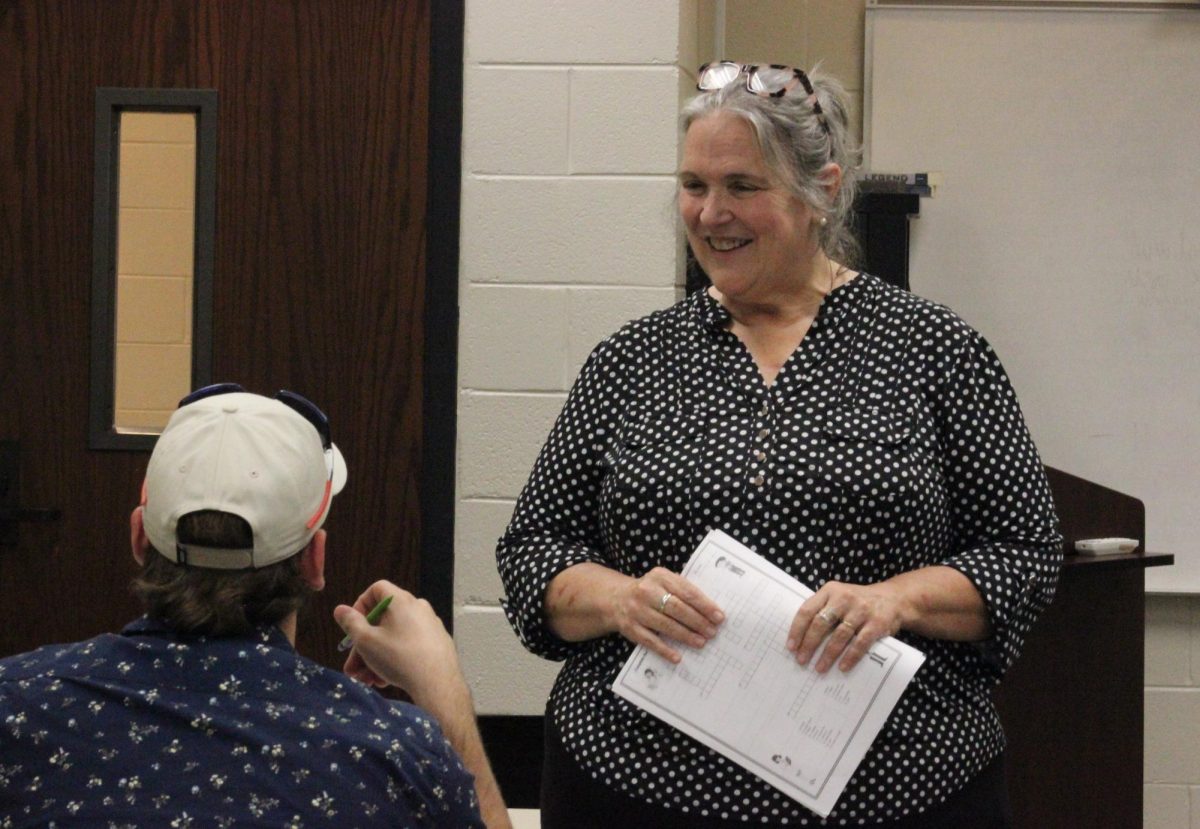
“I kind of just fell into zookeeping,” said Chelsey Jones, the keeper who cares for the antelope, zebras and giraffes, who has worked at Hattiesburg Zoo for nearly a decade. “They stationed me at the zoo one day making snow cones, and I thought, ‘This place is interesting.’ Then I saw the keepers and thought, ‘They’re doing the stuff I want to do.’”
Every morning, before the crowds arrive, the keepers move through the park in a rhythm of quiet care. They check every animal, mix diets, refill water troughs, and make notes on each small behavior. The animals’ health, safety and comfort depend on them and so does the experience of every visitor who walks through the gates.
“It’s not all snuggles and sunshine,” said Maggie Trunak, who works with the zoo’s big cats and hyenas. “There’s a lot of hard work that goes into it. There’s heavy lifting, long hours, and a lot of observation. You spend way more time cleaning and watching behavior than people realize. It’s not snuggle time all the time, as much as we’d love it to be.”
Still, for Trunak, the work is worth it. “Tigers have always been my favorite animal,” she said. “Now I get to work with two of my favorite animals – the tiger and the hyenas – and it really makes the days worth it.”
The zoo itself had grown alongside these keepers. John Kamper donated the 40-acre park to Hattiesburg in 1908, a patch of green on the outskirts of the town. By 1950, 12 of those acres had become the Hattiesburg Zoo, and since then, it has blossomed into a destination for families, school groups, and travelers. Over the last seventy-five years, it has transformed from a small, neighborhood park into a modern home for over 100 species, but the heartbeat has always stayed the same – the people who care for it.
For Jordan Martin, one of the zoo’s youngest keepers, the job is a lifelong dream turned reality. “I’ve been coming to the zoo since I could walk,” she said. “I literally have pictures here as a baby. Now I get to be one of the people who make it all happen, and that’s really special.”
She said her favorite part of the job is connecting with children who remind her of herself. “When I was little and the keepers would talk to us, that stuck with me. Now I get to do that, to teach kids to love animals and think about what they can do to help them.”
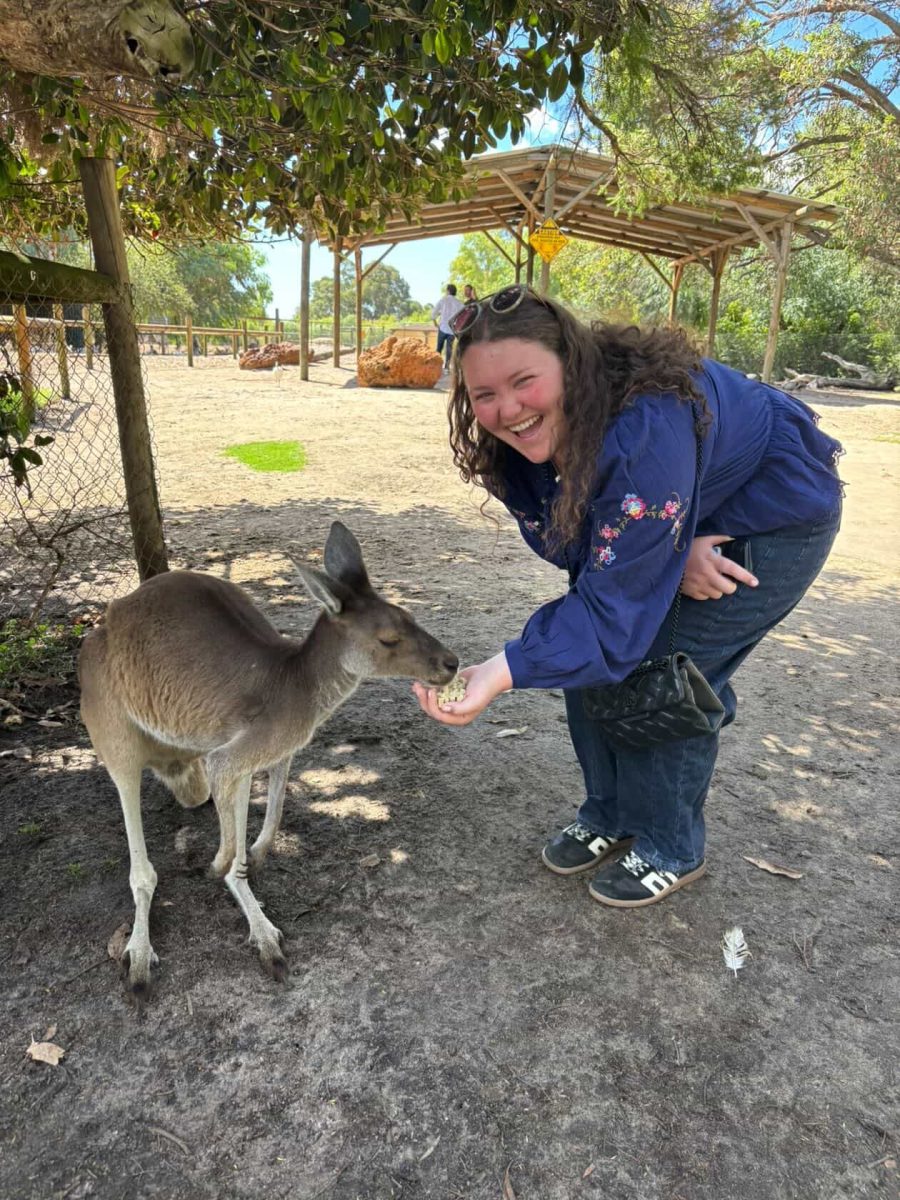
Today, visitors can feed giraffes, meet sloths, or explore themed sections like Africa, South America, and Asia. As families explore and school groups pass by, the keepers work quietly behind the scenes to keep everything running. The setting itself makes their work even more personal. The Hattiesburg Zoo isn’t tucked away on the city’s edge; it sits right in the middle of a neighborhood, surrounded by homes, schools, and everyday life.
“We’ve had several avenue dogs just walk in the front gate, and we’re like ‘no, no, no, no, no,’” Doyle said. “They can freak out the monkeys, and fireworks or band practices nearby can upset the zebras and giraffes. We even coordinate with William Carey University’s band, so we know when to move the animals somewhere they feel safe.”
The keepers often work hand in hand with the Hattiesburg Police Department to ensure safety.
“If an animal ever got out, it would be right there on Hardy Street or near someone’s house,” said Stephanie Doyle, who oversees the ambassador animals – the sloths, snakes, parrots and more that meet visitors up close. “So, we work with the police departmentconstantly to make sure we’re ready for anything.”
That teamwork extends inside the gates, too. The keepers often step into each other’s areas to help with feeding or repairs, forming a small but deeply connected team. “We all have each other’s backs,” Trunak said. “If someone’s stuck with the zebras or can’t finish cleaning, someone else will jump in. We’re like a family here.”
Even after hours, their care doesn’t stop. The zoo’s animals still need to be fed, cleaned and watched over, holidays included.
“We’re here for Christmas, New Year’s, Thanksgiving — every day,” Doyle said. “The animals don’t know holidays, and someone’s always got to be here for them.”
The Hattiesburg Zoo may be small, but it runs on a big heart. Every sound, every exhibit, every clean walkway reflects the hands of the people who built it and keep it alive. For the keepers, the animals aren’t just part of their workday – they‘re part of their lives.
“It’s my purpose. It’s what I do,” said Doyle. “We’re all a little bit crazy for picking up poop every day and wanting to continue to do it.”