







“05…25…” The numbers glowed on the TV screen as my family and I sat huddled in my grandmother’s living room.
Everyone went quiet for a second — only the distant rumble of motorcycles on the street broke the silence.
I leaned forward, holding my breath for what could come next. For a second, it felt like luck had finally stopped at my mom’s door. Then the final number flashed, and I exhaled in disappointment. She had been just one number away from winning the lottery.
I’ve always had complicated feelings about her playing. I didn’t like it when she bought tickets, but I also hated seeing her lose. I never understood how she could try her luck on something that seemed impossible to change our situation. Yet, I couldn’t blame her.
Moments like that evening gave us both a little bit of hope — that someday we’d fill our fridge without worrying, that she wouldn’t have to ask the owner to add more to the debt she was still slowly trying to repay.
She never won much, but the dream of winning the lottery lingered — a fragile hope kept alive by the financial hardships that surrounded us.
Before I left my hometown in the Dominican Republic to move to Mississippi, I thought America would break that cycle of normalized gambling woven into life. But, it did not.
Now, I see people scratching their tickets eagerly with a silver coin, their hopes going away with the dust. I used to think that, as long as gambling continued to take place around me, gas stations and convenience stores would be where people casually try their luck.
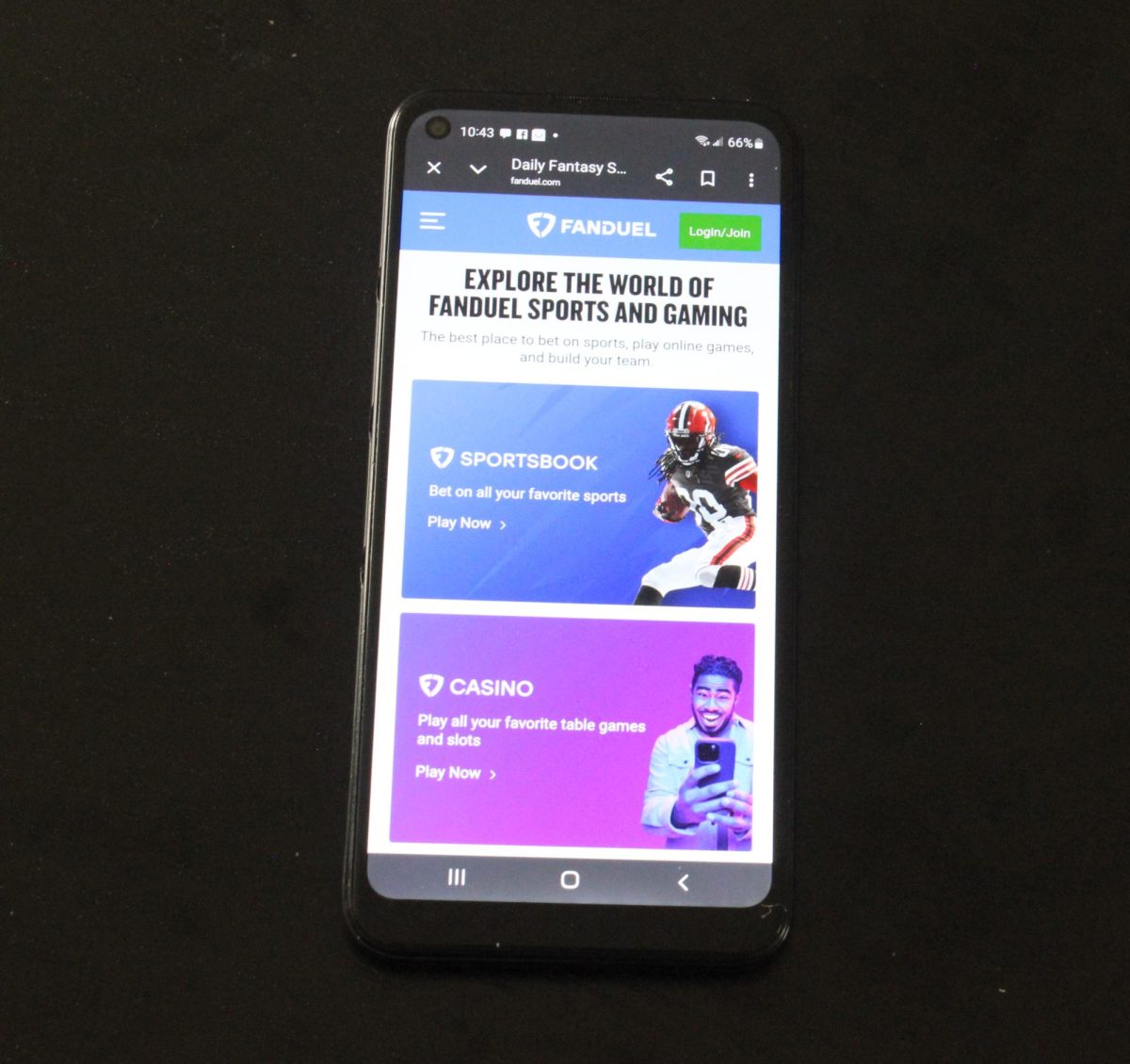
But not too long ago, I realized that gambling had found a new home at Southern Miss — not in casinos or sports bars, but on phone screens and betting apps.
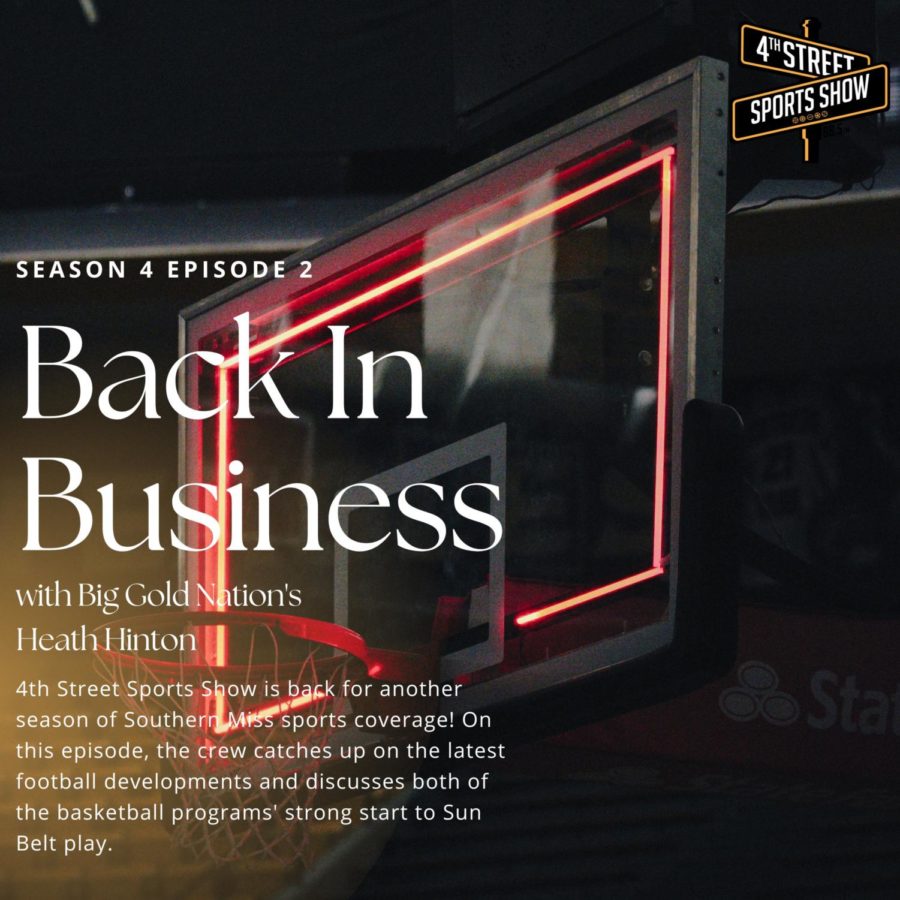
The revelation came with a basketball scandal, where a so-called “fixer” allegedly used FaceTime to recruit players, offering them $10,000 to $30,000 per game to deliberately underperform in matchups against South Alabama (Feb. 28) and Louisiana (March 1).
The recruiters are said to have placed thousands, around $161K–$275K, through sportsbooks on those rigged halves. But this USM case isn’t isolated — it’s a glaring symptom of gambling’s surge across Mississippi campuses.
A 2025 University of Mississippi study across USM and six other schools found nearly 2 in 5 students gambled last year, with about one in six betting on sports, the third most popular after lotteries and cards. Risk runs higher among athletes, males, off-campus residents and Greek life members.
Those patterns in Mississippi mirror a growing national trend. After the 2018 legalization of sports betting, searches for gambling help have climbed—from 6.7 to 7.3 million, UCSD researchers found—showing that awareness and concern are rising. Yet that signal often fades on campuses like those in Mississippi, where demand runs into limited resources and low institutional visibility.
Part of the challenge lies in detection. Gambling addiction often develops quickly, without visible cues like those linked to substance disorders. Campuses rarely screen for it, so students—and staff—miss when habits turn harmful.
That gap grows wider across many state campuses, including USM, where there is no dedicated gambling support. Many campus mental health centers overlook the issue due to underfunding, lack of screening, or untrained staff, leaving students with generic support or referrals to off-campus helplines like 1-800-GAMBLER.
Gamblers shouldn’t be left in the darkness—unaware of the warning signs, misinformed, or with little to no place to turn for help. The basketball point-shaving scandal proves how gambling can spiral into federal charges and ruined careers—but universities shouldn’t wait for prosecutors to step in before offering real support.