


















In the long, uneasy certainty of segregation, Hattiesburg in the 1960s stood at a crossroads between a divided past and an uncertain future.
Though the U.S. Supreme Court had declared on May 17, 1954, in Brown v. Board of Education that the doctrine of “separate but equal” had no place in public education, which, in consequence, overturned Plessy v. Ferguson, true integration remained years away in this Pine Belt city.
Public schools would not fully desegregate until the 1970s, leaving generations of Black students to bridge the gap themselves. Many turned to efforts like Freedom Summer hosted at community centers such as Mount Zion Baptist Church, where volunteers helped teach basic academics and, for some, provided their first experience learning from white teachers.
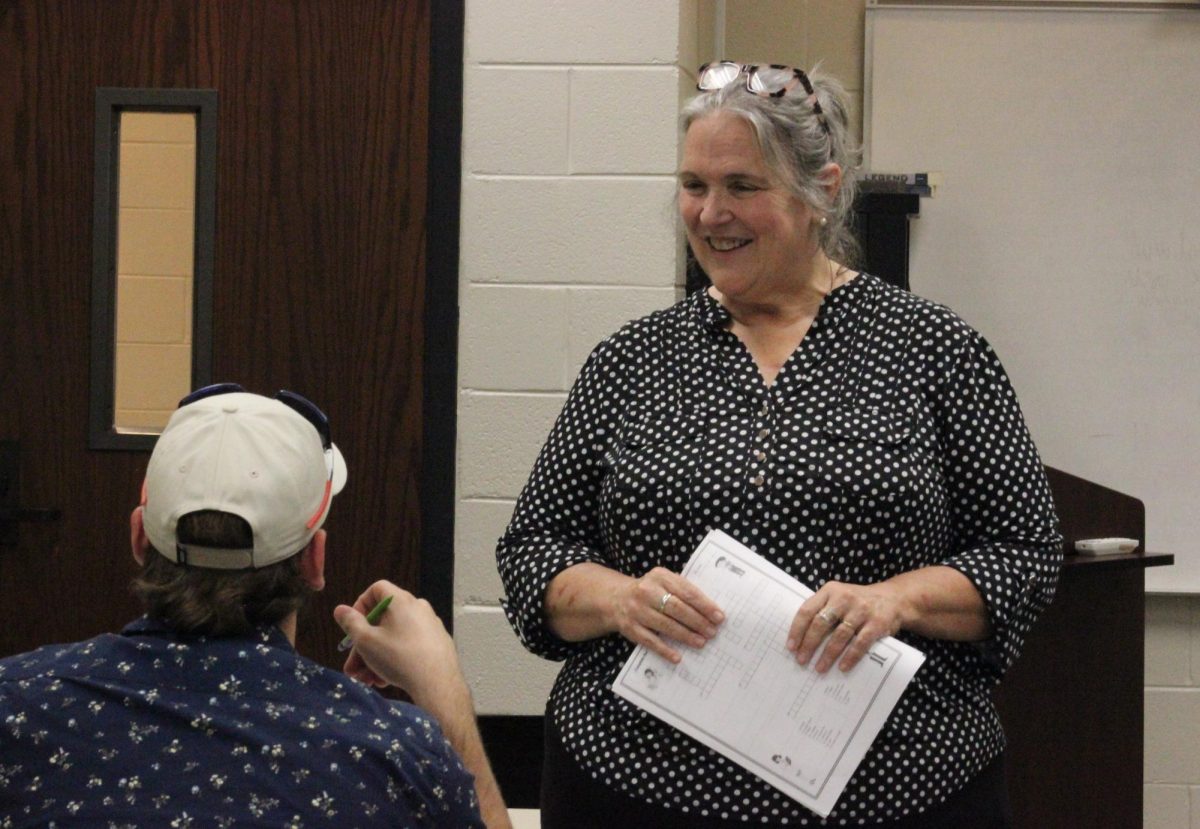
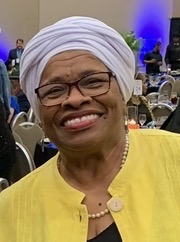
For Councilwoman Deborah Delgado, who grew up on the southeast side of Hattiesburg during this time, the lesson came early: despite the promises written into law, things were separate and they were certainly not equal.
“Because it was the Civil Rights Movement, there were a lot of activities that were dedicated to making Hattiesburg accessible to everybody, because we were definitely segregated,” said Delgado. “I never went to an integrated school, even though Brown versus Board of Education was decided in 1954. I did not experience integrated education, really, until I got to graduate school, a little bit in undergraduate school.”
Freedom Summer did more than just teach her educational fundamentals, but also shaped her political identity and introduced her to the mechanics of civic engagement.
“We learned about taxation,” said Delgado. “I had heard forever ‘taxation without representation’ and didn’t understand what that meant. We knew that there was another whole world outside of our own community, but we didn’t know why.”
The movement built her into the woman she would become.
After graduating from the historically Black institution, Jackson State University, Delgado attended law school at Texas Southern University. She practiced law for 15 years before returning home to the Pine Belt.
“I came back home in the 90s, and went to work for the city of Hattiesburg,” Delgado said.
Her return coincided with a season of personal challenges.
“I had two children; I was a single mom, and it was a struggle. It really was,” she said.
While teaching at JSU and living in Ward 2, Delgado listened closely to the concerns of the residents there. Potholes and public safety were part of the conversation, but so were deeper frustrations about representation and lost voice. It took persistent urging from community members before she would even consider stepping into city politics.
“These guys had been recruiting me for two years, and when they would come to where I was working, I would tell them to get out of here, I’m not doing that,” Delgado said. “But when I learned that there were no women on their board, I said I’m not going. You’re just here talking to me when you really aren’t serious about inclusiveness in our community, and that you need to include women.”
Eventually, she attended a council meeting as an observer. What she witnessed there would alter her course. A young Black graduate student had taken the lead on a community project others had abandoned. Instead of support, he received dismissal.
“The one who was heading it up was a graduate student at the university. He was the one who had the time to be able to run it, because the rest of them were in business,” Delagado said. “They essentially told him that he was not the brightest star in the universe. They told this black man that, this young black man that, and it just crushed me. It broke my heart. It absolutely did.”
In that moment, Delgado’s decision was made.
“I decided that right then that I was going to do it,” said Delgado. “It was tough, but we did it, only by 16 votes.”
She would go on to serve Ward 2 and the city of Hattiesburg for over two decades, resigning her seat just this last term. With more than 24 years of experience, Delgado learned that service required both resilience and restraint.
“Being perceived as an angry black woman was hard,” said Delagado. “It’s just when you ask for something, and you don’t have your head bowed, you know, that’s a problem for a lot of people. When you speak for people who are not accustomed to having someone to speak for them or to raise matters that are of concern to their communities, you’re seen as somebody who’s asking too much or being pushy.”
Still, she pressed forward. During her years of service, Delgado helped establish the nonprofit Twin Fork Rising and launched the Historic Mobile Street Festival, an effort to draw residents back into the heart of the city.
“Mobile Street Festival was designed to bring people back into the community,” Delagado said.
Though her time on the council has ended, Delgado’s faith in Hattiesburg has not. When she reflects on the city’s past and its promise, she thinks of the anthem that once carried hope through the uncertainty of the Civil Rights Movement.
“I guess, out of the civil rights experience, I think of “Moving on Up” by the Impressions, because it was something that gave us a spirit of knowing that this is not going to be this way always,” said Delgado. “And that we as a people are going to change, and that it’s not going to be something that we have to deal with forever.”
For Delgado, the song is more than nostalgia. It’s a song that reminds her of what the City of Hattiesburg means to her.




stella mackabee | Feb 28, 2026 at 1:48 pm
Your life seemingly is filled with purpose and a genuine desire to enhance the well-being of those around you. I commend both you and the writer of this article, as it offers encouragement and inspiration without being boastful.