


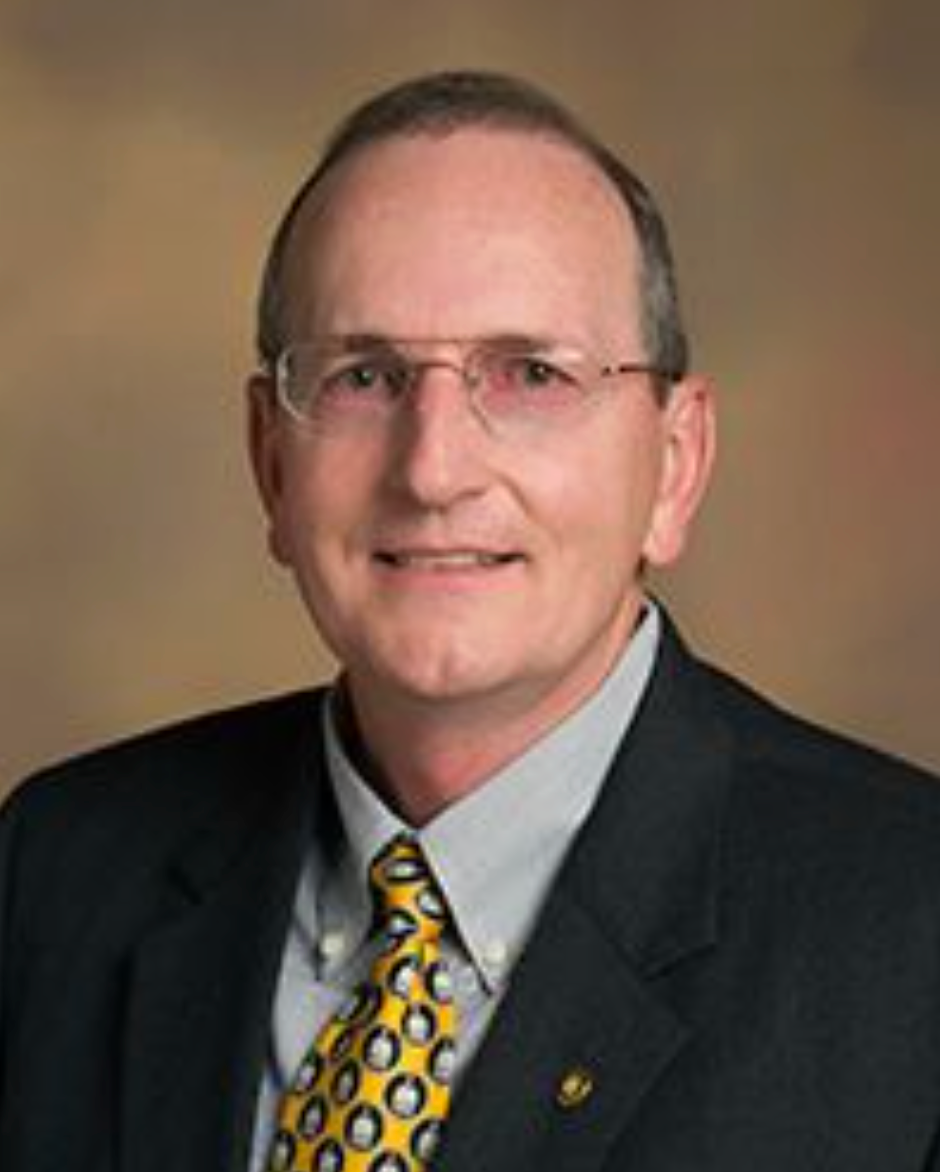










Eddie Holloway is a prominent figure in black history for Hattiesburg and USM, as he was the first black resident assistant and first black dean of students, and he still strives to inspire students with his legacy today.
Holloway was born and raised in Hattiesburg, Mississippi. He grew up in the Mobile Street neighborhood, where he first experienced African American culture and saw the importance of education.
“In those days, Mobile Street was an epicenter of all activity for the African American and those that were interested in African American lifestyle. So from my first days until about 10 years ago, I lived on Mobile Street in the same address as birth,” said Holloway.
He said that educators were all around him, and they always kept up with how he was doing in school. He looked up to these people in the neighborhood, and they were a part of why he decided to pursue a higher education.
“In the area where I lived, the bulk of the professional males and females were educators. For the most part, those who we looked up to for their successes, they were college-educated, pillars of the community, and they represented what I would say education well,” he said.
Holloway said that the people who represented education well modeled the way and gave him style and practice on what it would take to be successful in the future. He looked at the people in his community, and since they were educators, he felt that he should also take pride in his education.
Holloway said that the only challenge he faced on his journey to higher education was that, other than the teachers, the bulk of the community was commonly laborers.
“Good people, fantastic people. Trendsetters with high standards, so to come from Mobile Street out to the University of Southern Mississippi and apply to go to college was a different task and a task not heard of by many in my catchment area,” Holloway said.
He said that the task he was about to endure gave him fear, because it was so unheard of. He had a fear of the unknown and not knowing who to ask questions to. The teachers he knew had received their education at historically Black colleges and couldn’t help him with what was to come at USM.
African Americans didn’t attend college at USM until 1965, but Holloway said that the people in his community challenged him and helped him see that giving up wasn’t an option. He enrolled in USM, and he went on to complete his education.
It was during his time in school that he became the first black resident assistant. He remembers vividly when he realized he wanted to be a resident assistant.
“I remember checking into Scott Hall, which was a male freshman residence hall, and there were people working in the office checking in other students. I remember saying, ‘oh I’d like to do that one day,’” said Holloway.
“So I made an application, and after I was accepted, the next thing that came to mind was that I would really like to be a resident assistant. Of course, at that time we called them proctors,” he continued.
He worked as a resident assistant, making sure that residents followed the rules, and he said that most importantly, they inspired them to mix and mingle with people that he wouldn’t have known had he not been an RA.
When he graduated from USM, Holloway accepted a position at William Carey that allowed him to work with students and prepare them to have successful stays at college. He left after some time and ran an alcohol and drug program for Pine Belt Mental Health. After this, he returned to USM as a councilor, where he checked in the current President, Dr. Joe Paul. He recounts this time as one of the best experiences in his life.
“It was just the likely next step to work in counseling services with all of the students. And I might add that that was probably the most joyous time of my life. To meet so many other students whom I didn’t know,” he said.
Holloways said that he loved being able to meet people from various cultures, backgrounds and perspectives, and he looks back on this time as one of the best experiences in his life.
As Holloway looks back on his life, he said he wants his lasting legacy at USM to be that he wants students to know and believe that they can accomplish all the things they are prepared to accomplish.
“I would want all students that I have met and those that have heard of me to believe that any door that is looked in front of them, the lock is on the inside of the door,” he said. “ I would want them to go fourth and achieve highly, and to know that they cannot accept the word no, even if it is spoken by them,” said Holloway.