


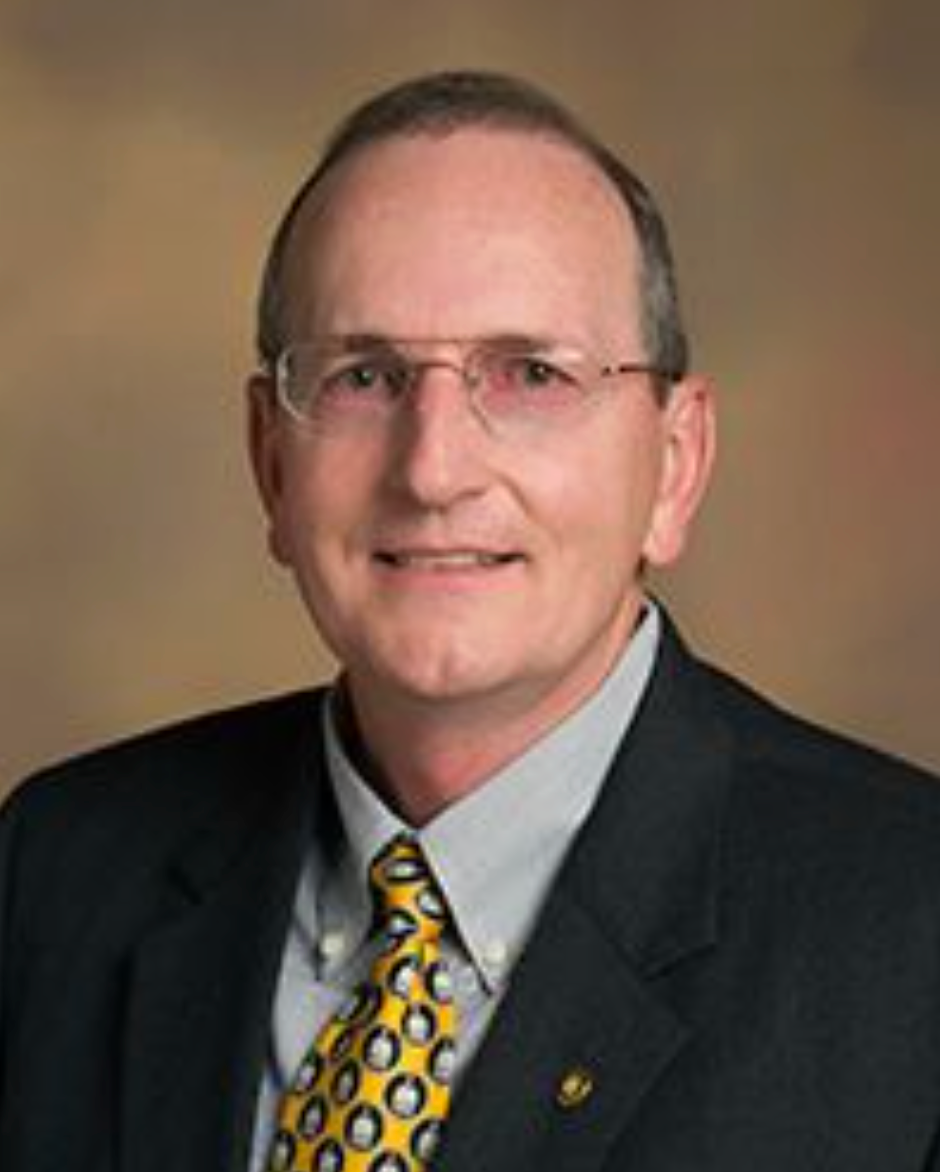





As a first‑generation college student at the University of Arkansas in 1992, Douglas Masterson did not think studying abroad was an option.
“My situation probably wouldn’t have allowed for it had I known about it,” Masterson reflected. “But, it is something I look back on now with some level of regret.”
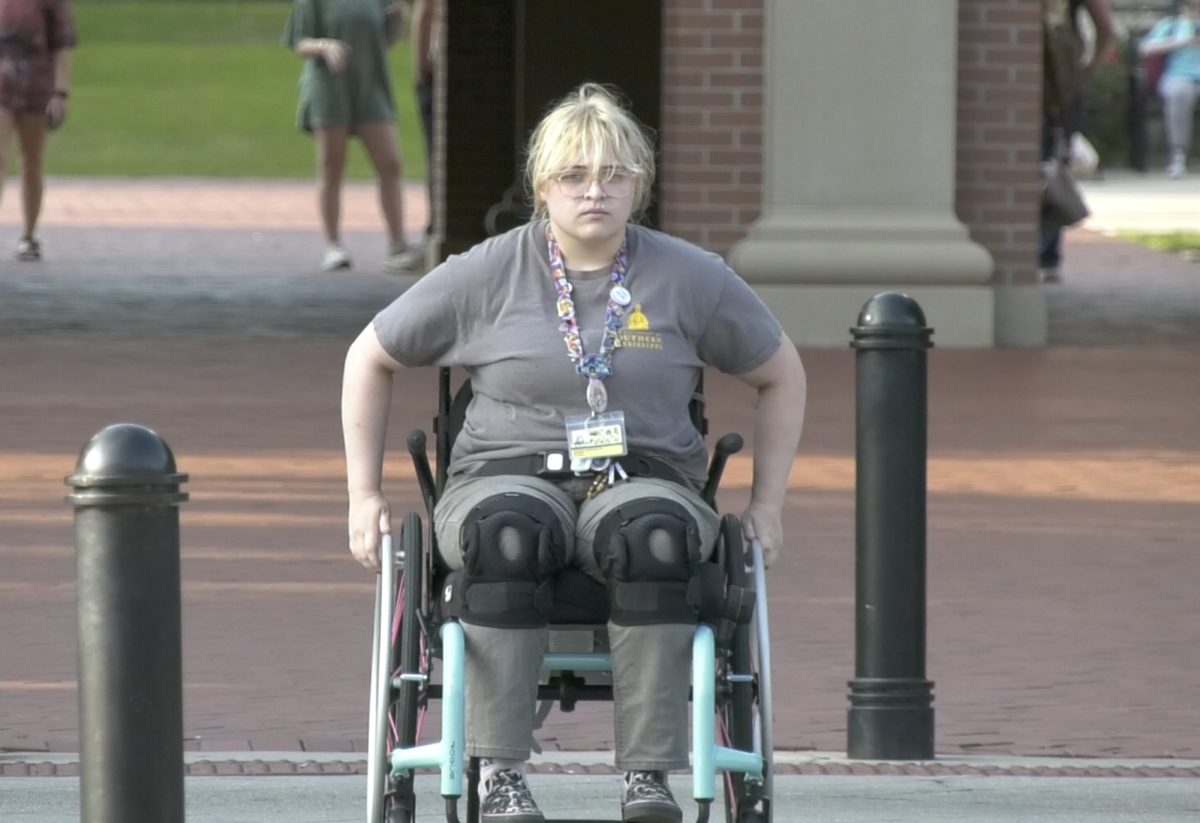
That early limitation shaped not only his perspective but also his commitment to expanding opportunities for others. Now, more than two decades into his career at the University of Southern Mississippi, Masterson channels that determination as an administrator and mentor, working to ensure that first‑generation and economically limited students don’t face the same barriers he once did.
Over his years at USM, Masterson has heard recurring worries about traveling abroad.
“I have had discussions with some students over my time here and many have expressed interest in studying in another country but mention the disruption, logistics and finances as a barrier to participation,” he said.
To address those barriers, Masterson has been building on contacts from last year’s two‑week Fulbright trip to Germany to develop a pilot of the Collaborative Online International Learning (COIL) program. The virtual exchange model will connect USM’s Media and Entertainment Arts audio production area—led by William Thompson and coordinated by Paul Linden—with the Electronic Technology and Media Department at TU Ilmenau, Germany.
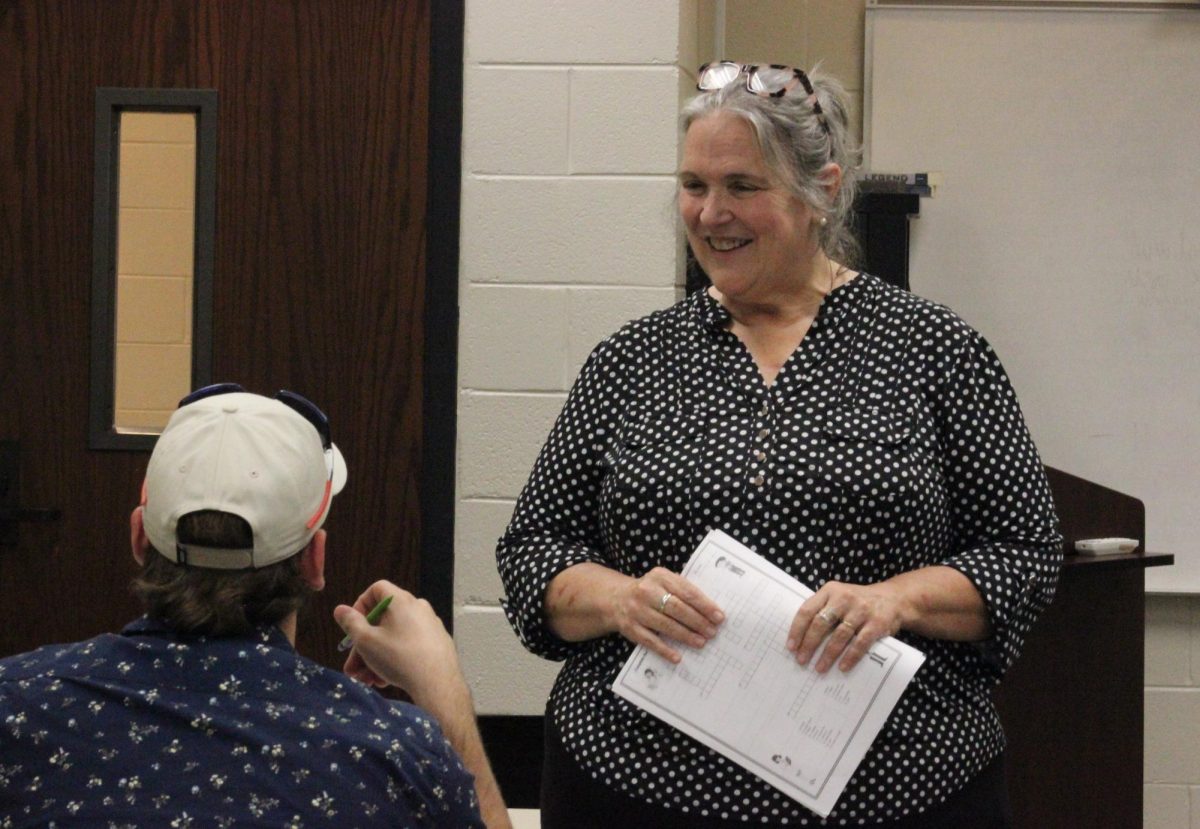
“Their experience will most likely be interesting,” Linden said.
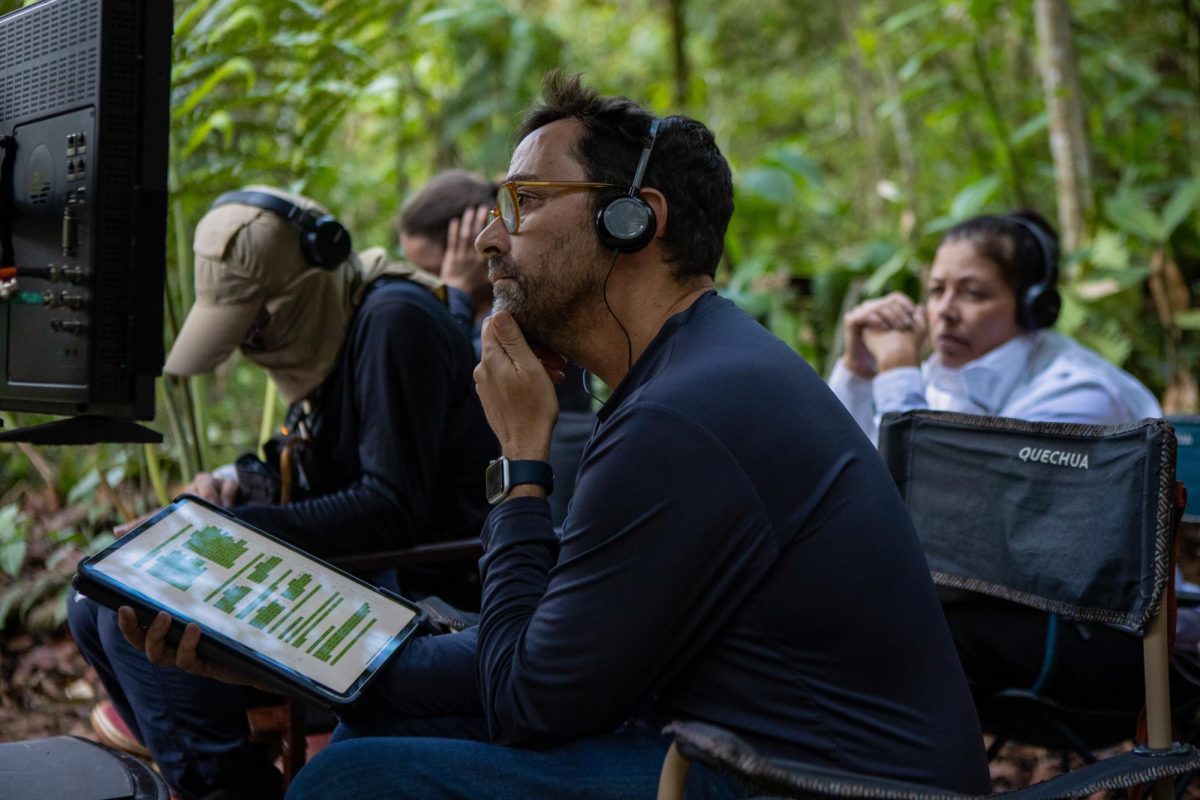
Unlike traditional study abroad programs, COIL offers an affordable way to collaborate globally, using online tools for file sharing, video meetings and joint sound design projects. As part of that collaboration, Professor Thompson is experimenting with AI tools that can separate natural recordings into individual audio layers such as wind, birds and animals. German students then arrange those elements within a three‑dimensional audio environment to create immersive soundscapes.
That exchange, Thompson said, gives USM students access to technology not currently available on campus and the chance to partner with German peers who approach audio from a more technical perspective.
“Our students are experienced, but in a very different kind of way,” he said. “They’re more sciencey in this particular university or tech. Our students are a little bit more creative. They’re still tech-driven, but they’re more creative.”
According to Linden, that blend of skills will help students produce portfolio-ready pieces.
“We’ll want them to have what would be referred to as a strong element in their professional or creative portfolio,” Linden said.
Linden emphasized COIL isn’t just another class project—it’s a career‑level, portfolio‑worthy experience as valuable as previous senior projects and award‑winning work like Telly‑recognized pieces or U.S. Department of State showcases. By linking students to an international collaboration with a professional structure, the program gives them another high‑value credential to add to their résumés.
Beyond these professional benefits, the program also opens doors for cultural exchange.
“I want students, in general, to have more exposure to other cultures and ways of doing things,” Masterson said.
That vision aligns closely with his broader goal to provide a platform for others to engage globally, a mission he now pursues with Thomson and Linden.
As the world grows more connected, he said, developing global awareness will be important—and programs like COIL make that possible.
“I think the only way to broaden student participation in an international experience is to include a mechanism like COIL,” said Masterson.