










Misinformation is one of the biggest challenges of the 21st century. Especially with how social media and the internet are more accessible than ever, the problem is only getting bigger. A 2018 study done at MIT found that people are 70% more likely to retweet false news than real news. So, why does misinformation spread so fast, and what can we do about it?
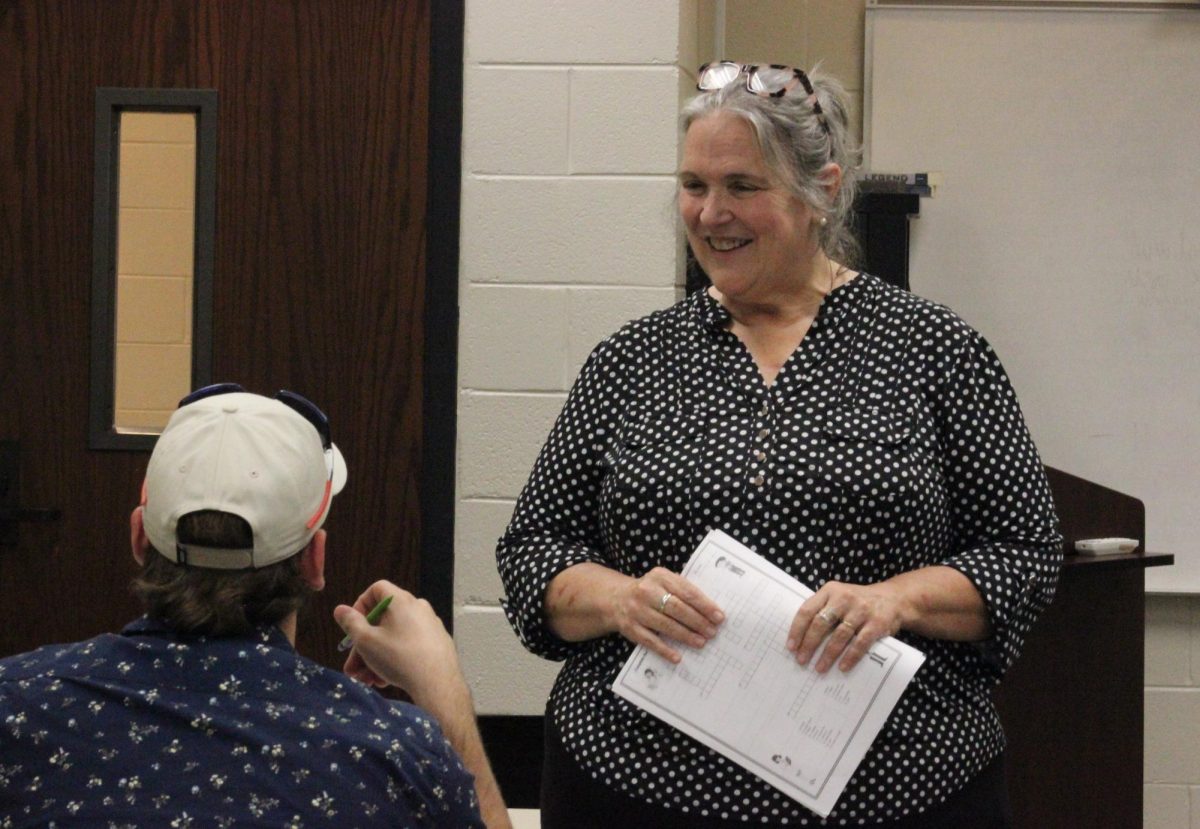
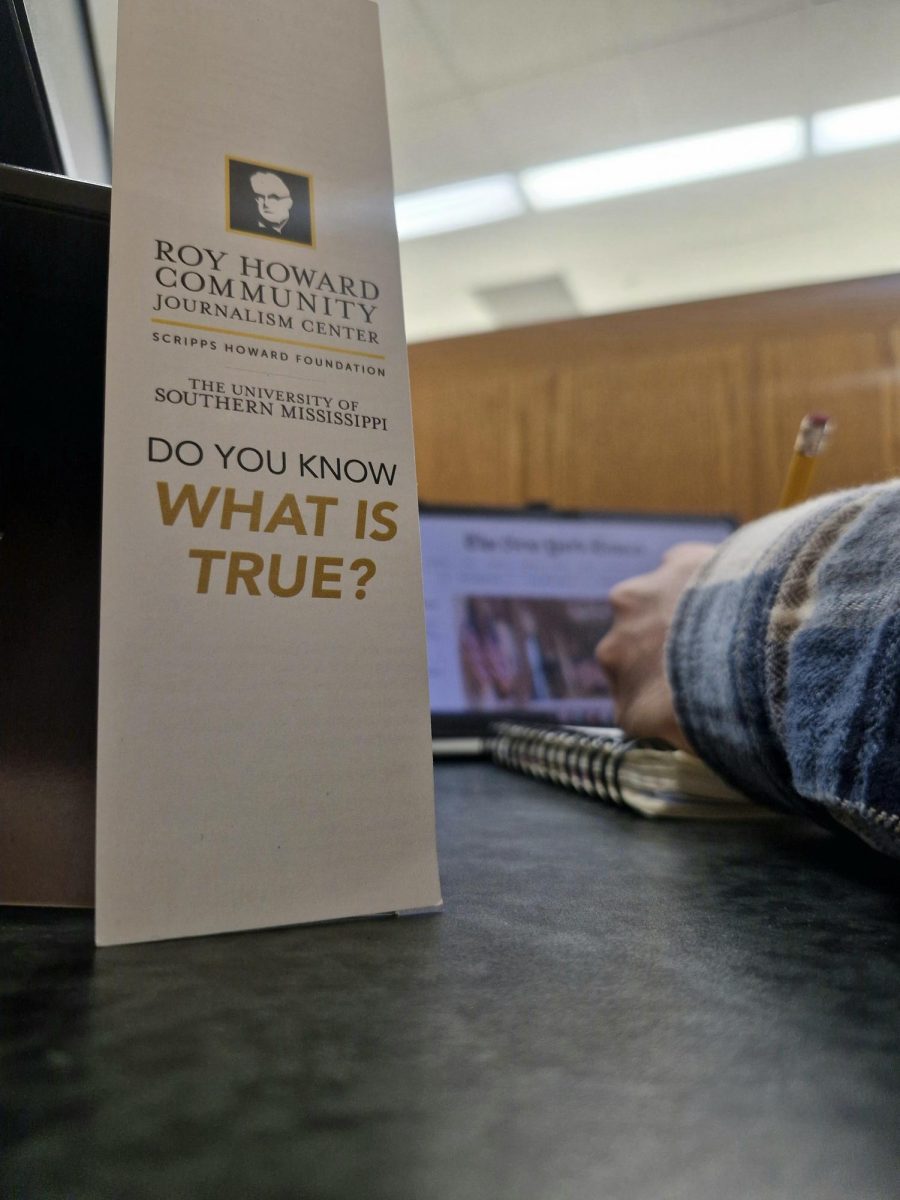
“Misinformation [which] we generally classify as when somebody puts out false or inaccurate information, but it’s unintentional,” said Ame Posey, community engagement specialist, at the Roy Howard Community Journalism Center, known for their “What is True?” media literacy program. “Disinformation is usually when they are purposely putting out inaccurate information.”
The line between them, however, is blurry. A deliberate lie once shared by someone who believes it to be true becomes misinformation, and it can spread far beyond its intended audience, making it hard to contain. So, what makes a person believe in false information?
Well, misinformation is often more attractive than the truth.
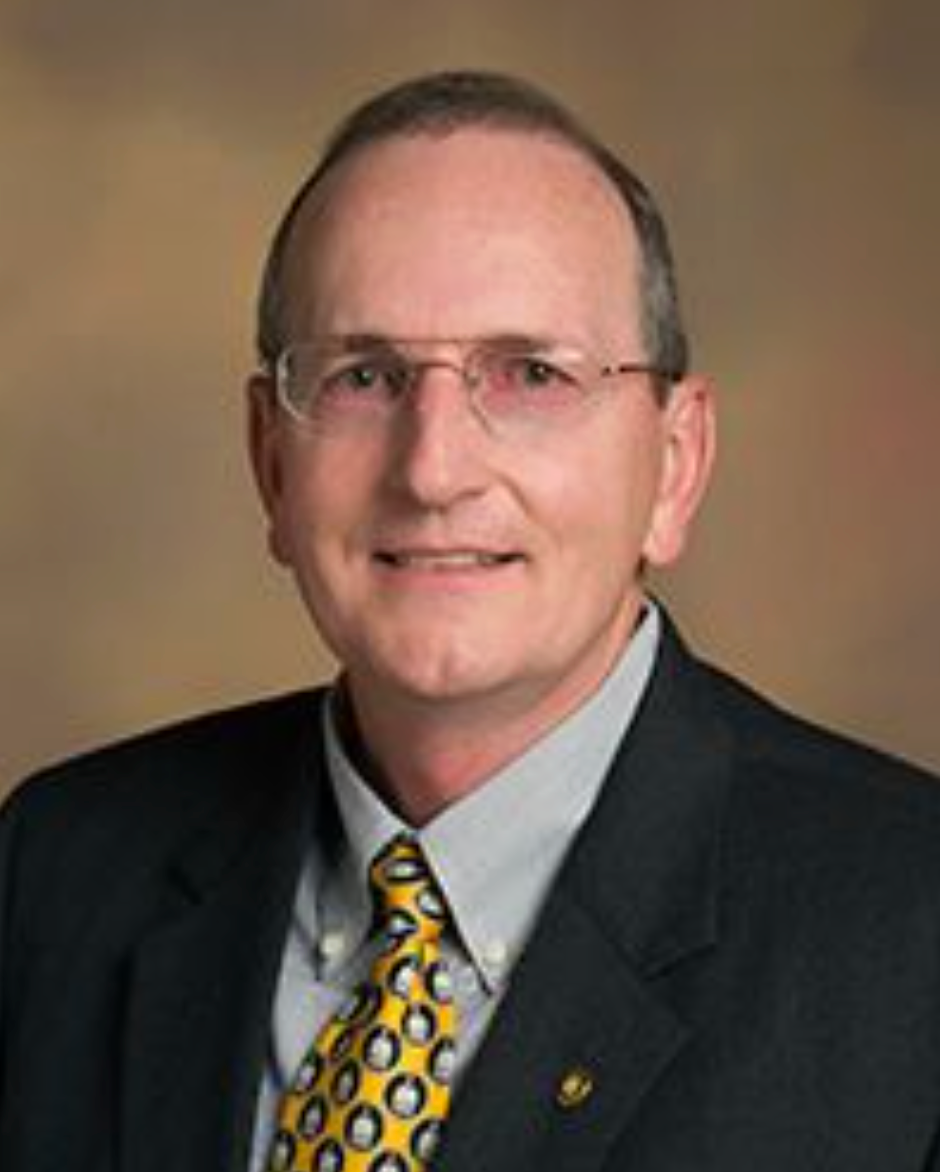
“Misinformation usually has something scandalous about it that you’re like, ‘Oh, that’s great.’ Misinformation is usually really attractive,” Dr. Brent Hale, assistant professor at the School of Media and Communication at the University of Southern Mississippi, said. “Reality is boring. We want everything to be interesting.”
That scandalous misinformation is perfectly at home in social media. Its algorithms, once they identify a user’s belief system, continuously push similar content their way, rarely challenging what they already believe and trapping them in an echo chamber.
“It makes you think that you’re right all the time. Because it has no interest in disproving you,” Walker Scott, media literacy coordinator at RHCJC, said.
This makes it hard for people to change their minds even after they come across the real information.
“When you encounter some information for the first time, it anchors you to that position,” Hale said. “If somebody then tells you something different, it pulls you from that anchor point.”
This is only enhanced by the fact that people naturally seek out information that confirms what they have previously been told.
“When they see a bit of information that confirms something they already believe, they’re already inclined to accept that information as true,” Posey said. “That’s the biggest challenge for misinformation — getting people to overcome that innate bias.”
This stubbornness of belief is exactly what organizations like RHCJC are up against. The goal of their “What Is True?” media literacy program is to teach people the difference between misinformation and disinformation. One of the ways they do this is by offering a hotline where people can call to verify whether something they’ve seen or heard is actually true.
Recently, when rumors began circulating in the Hattiesburg community about the Eagle One mega site, a large tract of land being cleared between Hattiesburg and Purvis on Highway 11, residents turned to “What Is True?” for answers.
“We had to basically call and start asking people from the city and county, trying to get a more direct answer,” Posey said. The investigation confirmed it would not be a solar farm, but who the investor was remained undisclosed. “We were very transparent with here’s who told us, here’s where you can see this information, but we don’t know this.”
For rumors that have spread more widely, the center publishes an in-depth story, labeling each claim as true, false, misleading or unsubstantiated based on the evidence available.
“I feel like most of the claims are rated misleading,” Scott said. “There’s some truth to them, but they’ve been spun in a way that’s trying to paint a very clearly biased picture.”
However, this does not completely eliminate misinformation, as everyone remains vulnerable.
“In the age of AI, it is impossible to be immune,” Hale said. “Everyone is going to fall prey to misinformation periodically.”
In the meantime, Hale offers practical advice — slow down.
“In the aftermath of an event, let journalists do their job. It takes time to filter through and get an accurate report. We have to slow down,” he said.
“We have got, as a culture, to accept that we are sometimes wrong,” Hale said. “None of us knows everything. We only know a little bit about what’s going on around us.”