

















Mississippi Democrats broke the GOP’s two-thirds supermajority in the state Senate on Nov. 4 in the special election, flipping two seats.
In the special election, six Senate seats and one House seat were up for election. Democrat Justin Crosby defeated Republican Rep. Jon Lancaster and flipped the Mississippi House District 22. Democrat Theresa Gillespie secured the win over her Republican opponent, Charlie Hoots, for the Senate District 22.
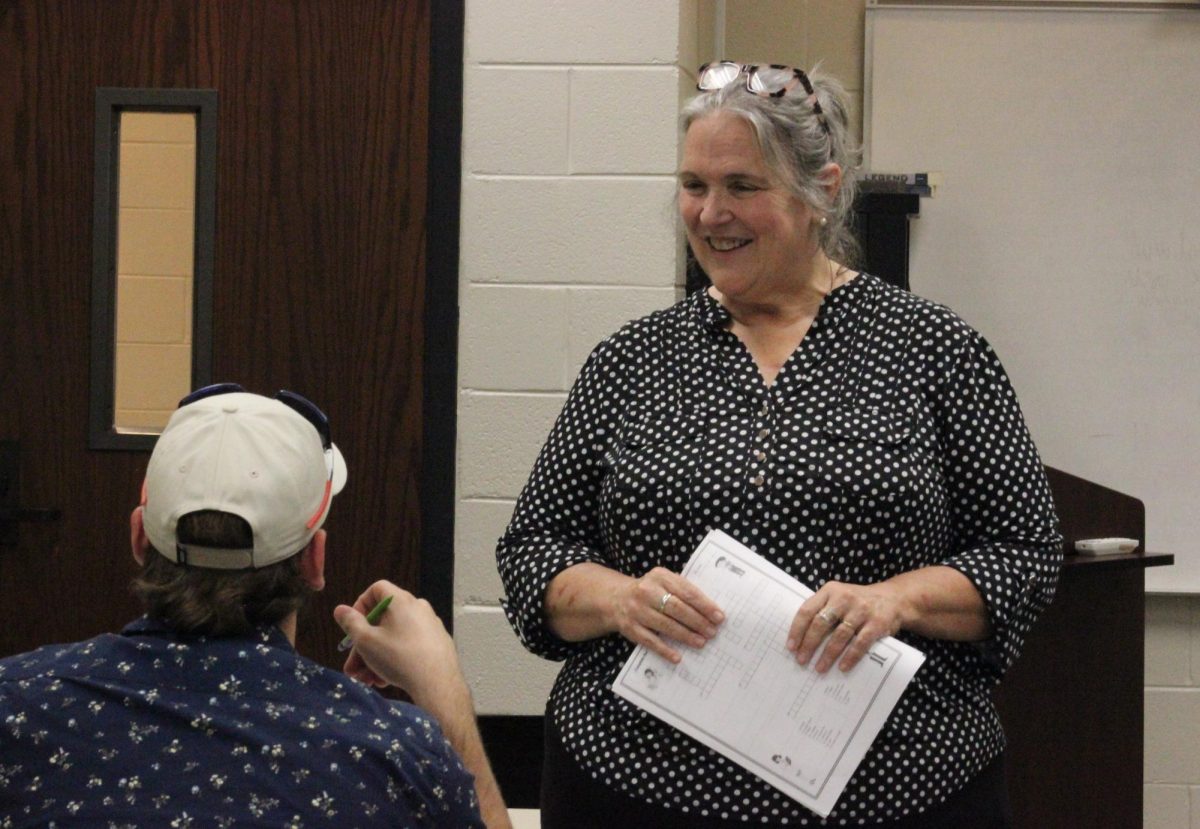
Dr. Troy Gibson, a USM political science professor, explained how this reduced the amount of control Republicans have over the Senate.
“What that did in the state legislature is that because of the flip of those seats from Republican to Democrat, it reduced the margin of control that the Republicans had over the Senate so that they lost their supermajority,” said Gibson. “That’s significant for Democrats in Mississippi because without a super majority in the Senate, the bills that are passed by the Senate are not veto-proof anymore.”
A federal court ordered the state of Mississippi to create more black majority legislative districts after ruling that the state violated the Voting Rights Act. In section 2 of the Voting Rights Act, racial discrimination in voting is prohibited.
Dr. Joe Weinberg, a USM associate professor of political science, said the result of the election happened as they were supposed to.
“So they redrew some districts so that they would have more black people in those districts. And in our state, black equals Democrat, white equals Republican, to that level,” said Weinberg. “They drew these districts so that black Democrats would win them, and black Democrats won them.”
Former Hattiesburg Mayor Johnny DuPree, won Mississippi Senate District 45, which includes parts of Forrest and Lamar counties. He won 71 percent of the vote while his opponent won 29 percent.
State and local officials control most issues that affect people, like education, crime and more. College-age adults need to understand elections and who they are voting for because the decisions could affect them five years down the line.
“This is a time of your life where you’re less civic conscious, you’re less aware of what’s going on,” Gibson said. “You think that those kinds of issues come later in adulthood, like when you get married or have kids. And there’s some truth to that, but the decisions that are made today will affect you five years from now, like property taxes, for example.”
To learn more about the members in the Mississippi Senate and House, visit Legislature.Ms.gov.