









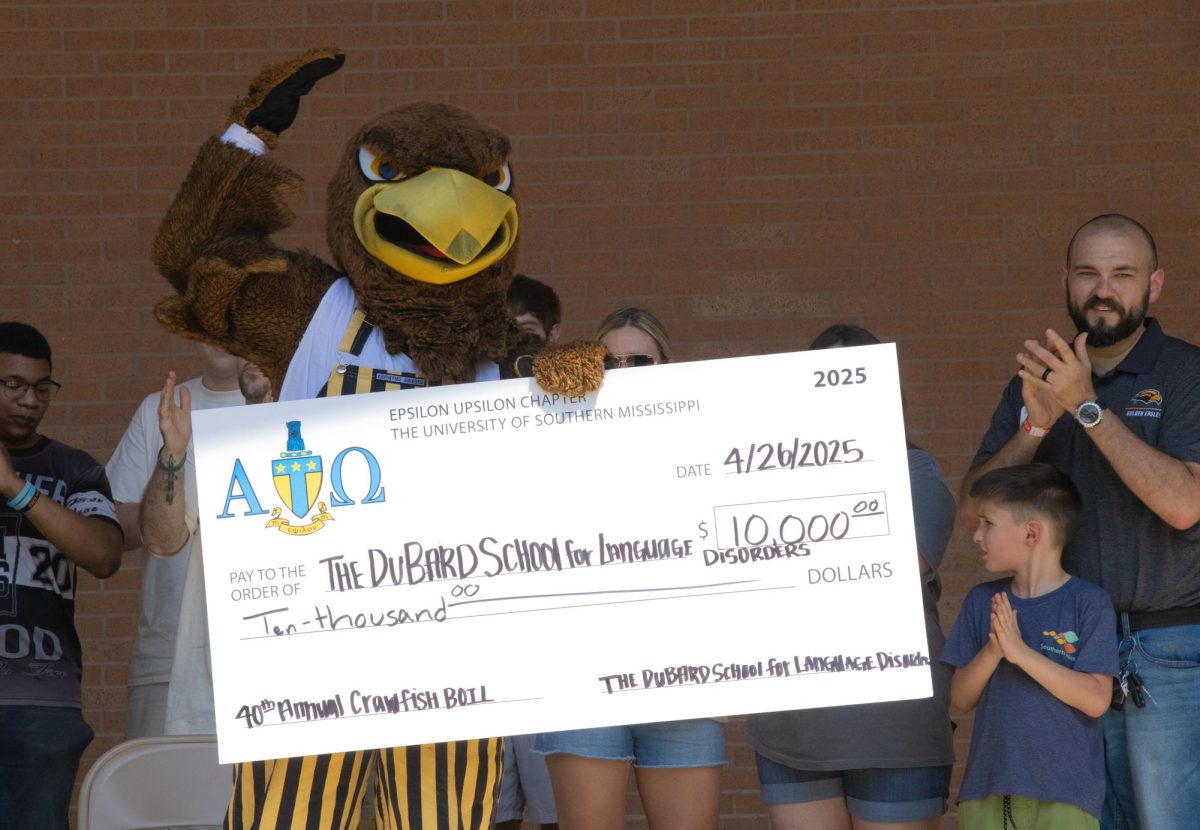
The DuBard School for Language Disorders has provided specialized education for children with severe speech and language disorders since its founding in 1962. Operating under the University of Southern Mississippi’s School of Speech and Hearing Sciences, the program serves approximately 80 children each year, while maintaining a waiting list of 80 to 100 children at any given time.
The DuBard School works alongside the USM Children’s Center for Communication and Development.
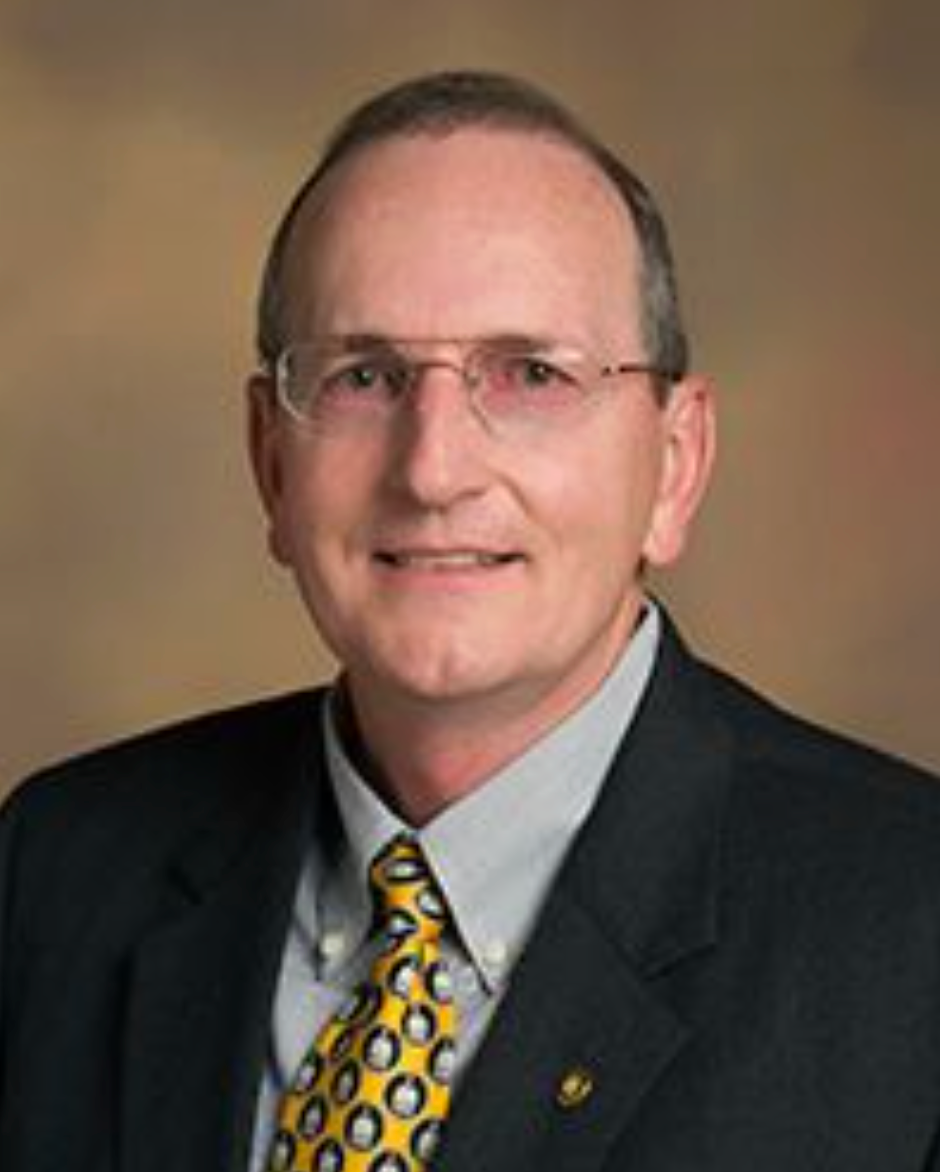
The programs provide early intervention for children facing speech and language disorders who often have additional physical or developmental disabilities, like Down syndrome and cerebral palsy. According to Dr. Steve Cloud, director of the School of Speech and Hearing Sciences, early treatment plays a critical role in long-term outcomes.
“The earlier that we can start to treat young children who have speech and language disorders, the better the prospective outcome can be,” Cloud said.
Both of the programs operate as public schools and provide services free of charge to enrolled families. However, the individualized instruction required for children makes the program expensive to operate on state funding alone.
“In addition to state funding, they also require and depend on outside funding, including United Way,” Cloud said. “Private donations from the Cook Foundation for DuBard School and the Children’s Center, along with other community donations, are essential to continue treating these kids for free.”
The need for the program extends beyond Mississippi.
“Families move here from all over the United States, from Washington State to Washington, D.C., so that their kids can attend these two programs,” he said.
To address regional demand, USM is expanding services to the Gulf Coast.
A new facility is under development at the university’s Long Beach campus, supported by grants and private donations totaling approximately $12.4 million. The expansion is expected to serve an additional 160 children, 80 through a new Children’s Center program and 80 through a DuBard School program, reducing travel demands for families in coastal counties.
Despite the expansion, Cloud said internal financial pressures continue to affect daily operations.
Over the past decade, the School of Speech and Hearing Sciences has seen a reduction in graduate assistantships, dropping from 12 positions to four. Graduate assistants play a key role in supporting instruction, research and clinical services.
“It’s been a difficult process,” he said. “It makes it more difficult for us to recruit graduate students because other places with more financial resources have more money available.”
To compensate, faculty members have taken on additional responsibilities. Cloud said assistantship hours are divided among administrative duties, teaching support and clinic operations. Some faculty members rely on external grants to fund student assistance.
“As a professional, you’re expected to get your job done, whatever that job may be,” Cloud said.
The field has faced additional challenges in recent years. Cloud noted that despite speech-language pathologists and audiologists having to go through extensive education and licensure requirements, they were recently classified as non-professionals for certain federal student loan considerations.
Typically, speech-language pathologists complete four years of undergraduate study and five semesters of graduate education, while audiologists complete an eight-year pathway culminating in a clinical doctorate.
“How can you say that somebody who attends school for eight years isn’t a professional in the field?” he said, adding that the American Speech-Language-Hearing Association is working to have the classification changed.
Despite financial strain and staffing limitations, the DuBard School and the Children’s Center continue operating with a mix of public funding, private donations, faculty effort and student participation. Undergraduate and graduate students from the School of Speech and Hearing Sciences contribute through volunteer work and mandatory clinical training.
The school also runs the Speech-Language-Hearing Clinic, which offers diagnostic and treatment services for people of all ages. This includes hearing evaluations, cochlear implant programming and therapy for speech, language, cognitive and swallowing disorders. Services for enrolled children are free, while the clinic generates revenue by charging community members for some services.
Cloud said the complexity of the work often goes unnoticed.
“A lot of people don’t know what we do. They don’t understand,” he said. “It’s pretty complicated and pretty difficult.”