















The Institute for Disabilities Services turns 50 this year. IDS aims to positively affect the lives of Mississippi citizens with developmental and other disabilities and their families across the lifespan.
IDS helps with increasing their independence, productivity, and community inclusion. While IDS is located in Southern Miss and is an integral part of the campus, it also serves people all over Mississippi.
IDS focuses on training, technical assistance, service, research, and information-sharing and facilitates the flow of disability-related information between the community and university.
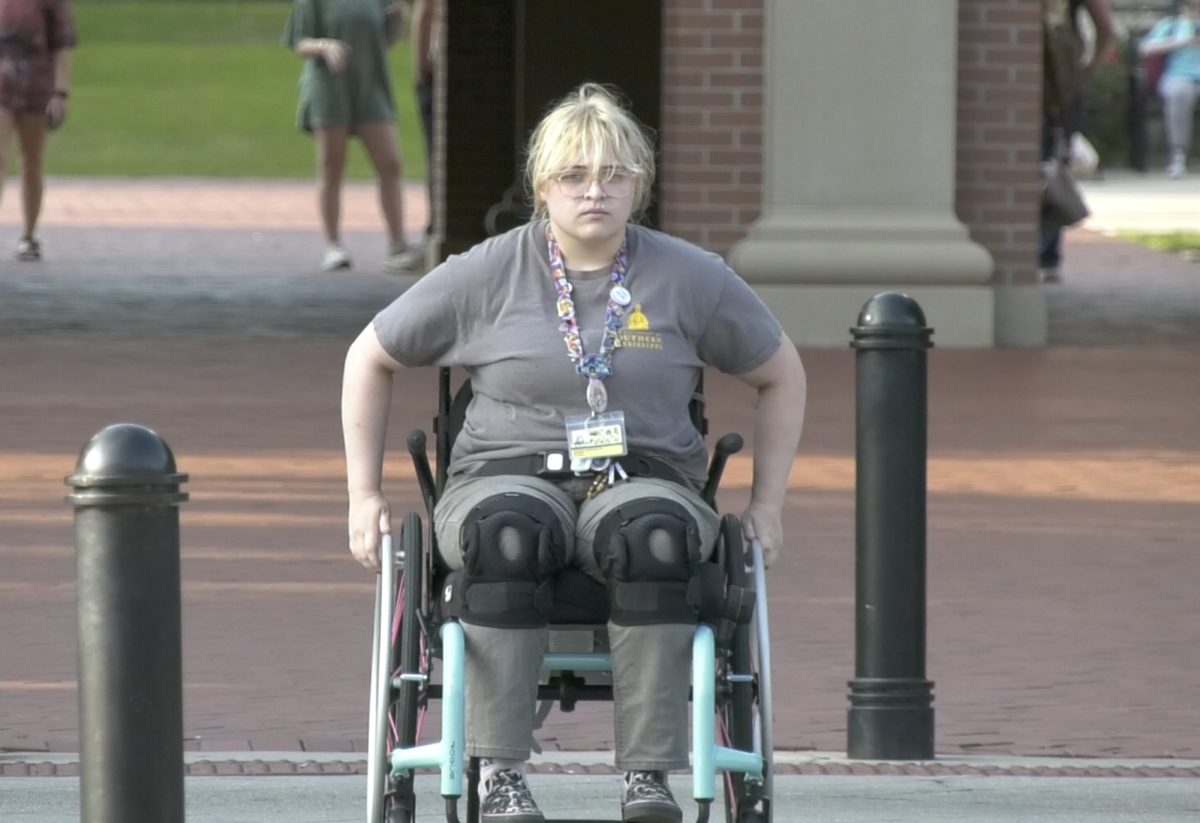
IDS believes in everyone’s rights to be included in communities and promotes high-quality early childhood and school-age inclusion services. It helps youth and young adults reach their potential while also helping adults with disabilities reach their goals.
IDS helps people with disabilities find a community through programs like adaptive sports and community volunteering club. They also help people with disabilities with their professional lives through programs like the Autism Employment Specialists (AES) and the Job Extravaganza. In addition to that, IDS also encourages people with disabilities to pursue their creative passions through programs like the Pathway Weavers. IDS also provides psychological support through the Wounded Warrior Community Support Specialists and provides stable housing through the Project Precovery Rapid Re-Housing.
In addition to providing support for people with disabilities, IDS also gives an opportunity for students at Southern Miss to give back to the community by providing volunteering opportunities. IDS also gets students involved through different service projects and internships.
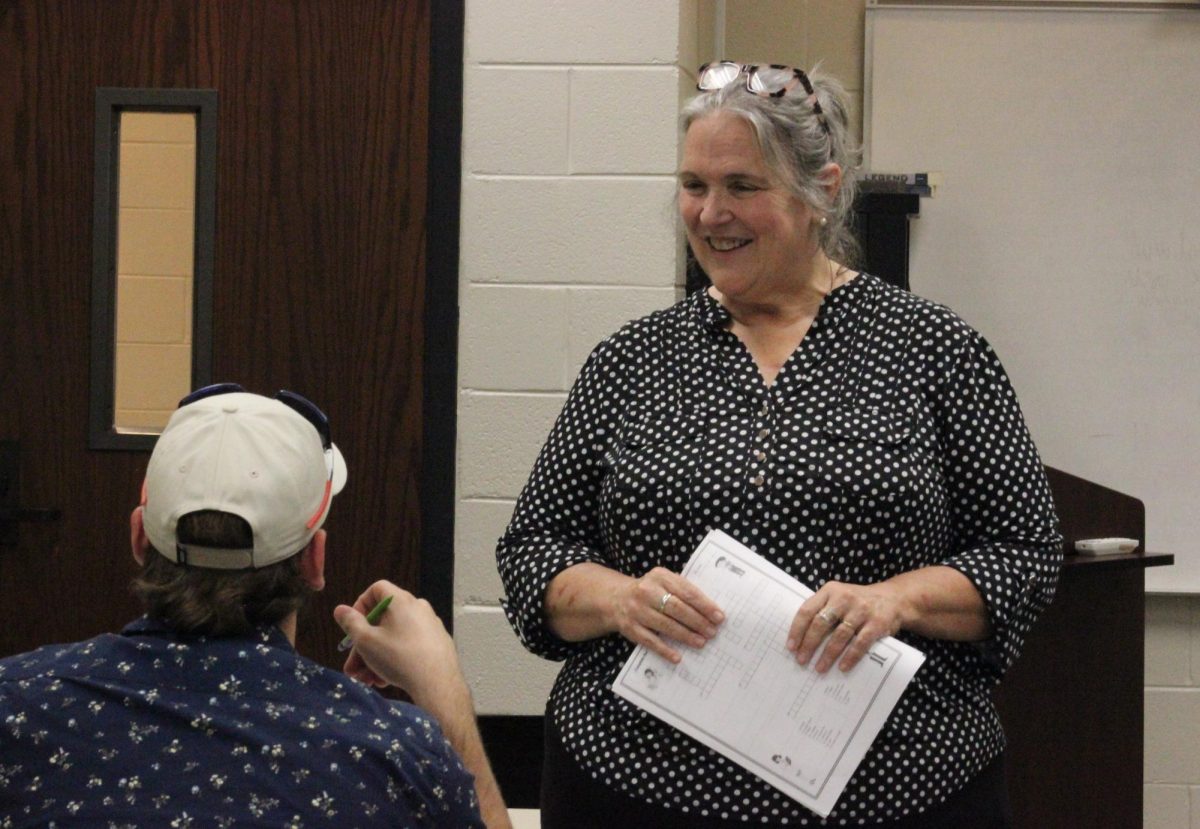
“There are a lot of opportunities, and most of them include working alongside individuals with disabilities,” said Amy James, the Executive Coordinator for Philanthropy and Development Institute for Disability Studies. “But we also have opportunities for students to help us with events, or even paperwork.”
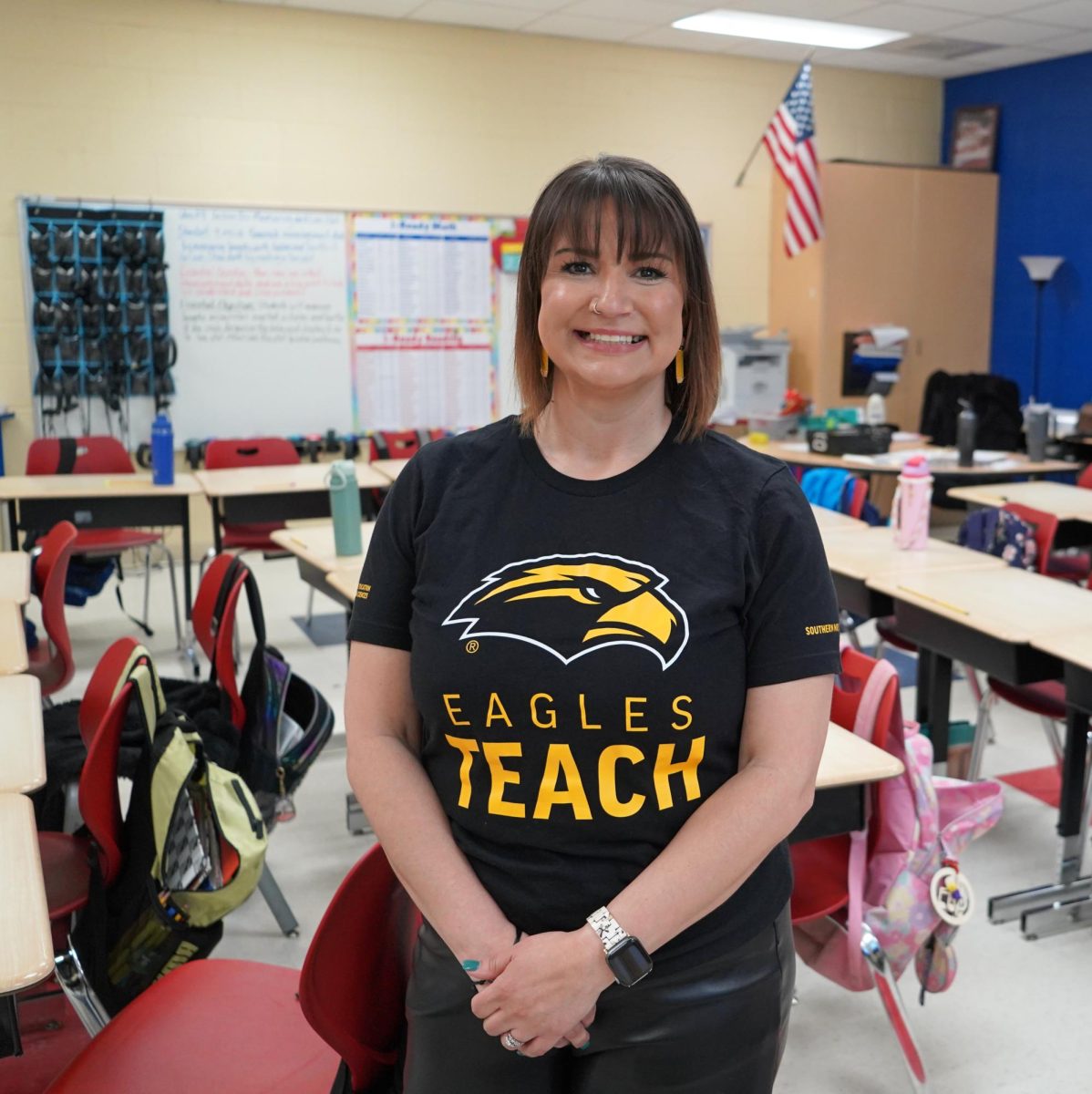
IDS recently launched a program called EARN IT, which provides a pathway to entrepreneurship for individuals with intellectual and other developmental disabilities by advancing resources, fostering networking, promoting independence, and offering training. IDS partnered with Dr. Joanne Tran’s Consumer Behavior class. The class got to move beyond the theories that they were taught and got to apply their skills through the partnership with IDS.
“Historically, marketing and service industries have not always been inclusive of people with disabilities, either as consumers or as employees,” Tran said. “When people are not represented in advertising or considered in service design, it sends a message that they were not part of the intended audience.”
Tran added that after she learned about IDS’s work with the youth and young adults with disabilities, a collaboration felt like a natural fit. She added that collaborations like these help both the students by providing them with a real learning experience and IDS through the sustainable and comprehensive solutions that students come up with.
Despite IDS’s involvement in multiple areas across campus and programs to help people with disabilities, IDS still goes through the risk of not getting funded because of the lack of awareness about the institute.
“For 50 years, our focus has always been on helping people, and half the people have no idea who we are,” James said. “We have recently had our funding threatened multiple times, and we are going to start fundraising and raising awareness about what we do within the community.”
James also added that funding challenges usually come with administrative changes. She added that since IDS is not funded by the university but through grants, the funding is always being threatened. She stated that they are planning to raise awareness about the institution for their 50th anniversary. She also added that students can help raise awareness by getting involved with the institution.