















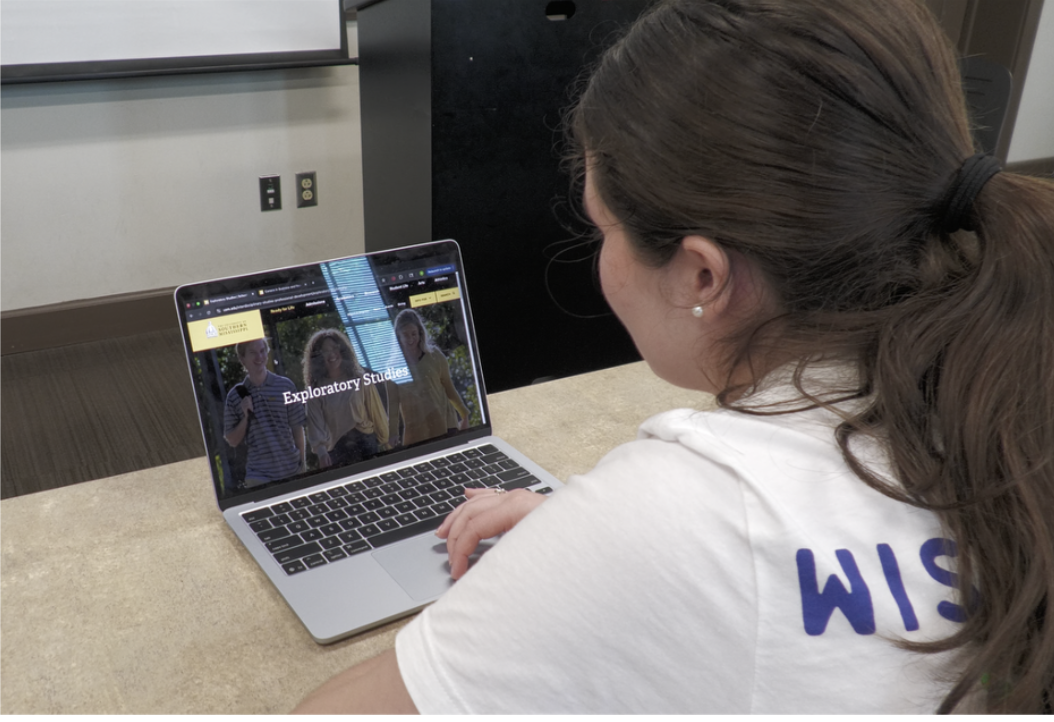
At the University of Southern Mississippi, some students arrive on campus with a clear plan for their future career. Others, however, begin college with uncertainty about what they want to study. For those students, the university offers the “exploratory” major — a pathway designed to help undecided students discover the academic and career direction that fits them best.
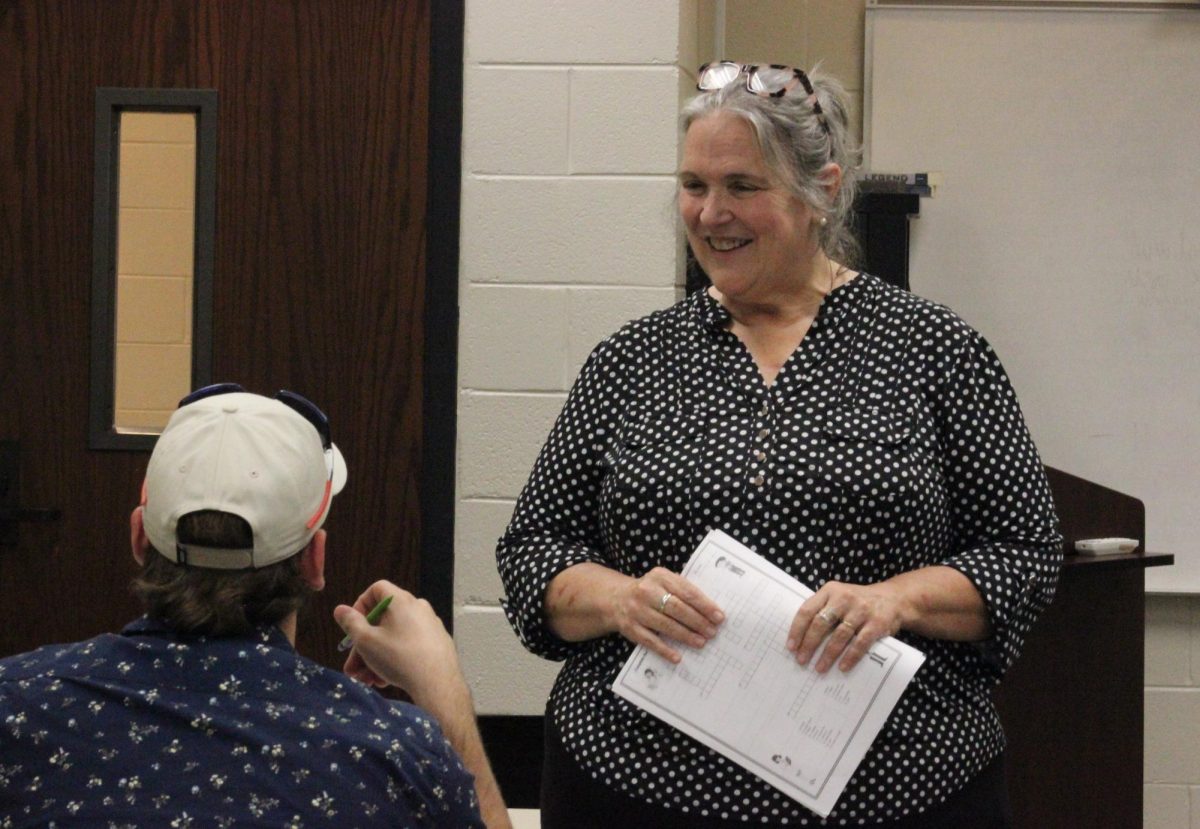
The exploratory program is supported through the university’s Pre-Professional and Exploratory Programs office, which provides advising and guidance for students who are still determining their academic goals. According to Associate Director Lisa Rieger, the office works with students across every college on campus.
Exploratory students typically enter college knowing they want to attend university but unsure about the specific degree they want to pursue. Instead of forcing a decision early, the program encourages them to spend time learning about different academic options.
“So those that are undeclared are coming in as a first-year student… who are not sure of what major they want to pursue,” Rieger said. “We help guide them in knowing what the options are and what the process is that we go through to select that major.”
Many students feel pressure to choose a major when applying to college, even if they are uncertain. Rieger said that the exploratory option gives students the freedom to slow down and make a more thoughtful decision.
“It feels like such a big decision to put that major down on the application,” Rieger said.
Although exploratory students make up a relatively small portion of the incoming class, fewer than five percent, according to Rieger, the program still serves around 80 students each fall semester. For those students, choosing not to declare a major immediately can be an intentional decision.
“I give a lot of props to students that come in as exploratory because they’re taking the opportunity to say, ‘Hey, I don’t know what I want to do,’” Rieger said. “This is kind of scary, but I’m willing to put in the work to figure it out.”
Research suggests that changing academic directions during college is common. Rieger explained that many students shift majors multiple times before graduating, and even graduates sometimes return to school after realizing their first degree was not the right fit.
“Research is showing that students are going to select up to three or five majors throughout their academic career,” she said. “It’s very common that we’re seeing people make changes.”
For students who begin college uncertain, the exploratory program provides a supportive environment to discover their interests. Students can remain in the program as long as they need, though most declare a major after completing their general education coursework during their first year.
“Our new general education is 30 hours and that’s going to get you through most of your first year,” Rieger said. “Some students stick it out for the whole two semesters. Others, within two or three weeks of their fall semester say, ‘Hey, I know what I want to do.’”
One tool used in the program is the University 110 Studies course, a class designed to help first-year students explore career paths while also learning about college life. The course includes activities focused on career development, decision-making, and real-world responsibilities.
“It’s geared toward first-year incoming students and focused on career development and decision making,” Rieger said. “They do introductions to different majors on campus, talk about careers, but also talk about life in a larger way.”
Some exercises even simulate adult financial decisions. In one activity, students play a version of the Game of Life in which they are given a career, salary and unexpected expenses.
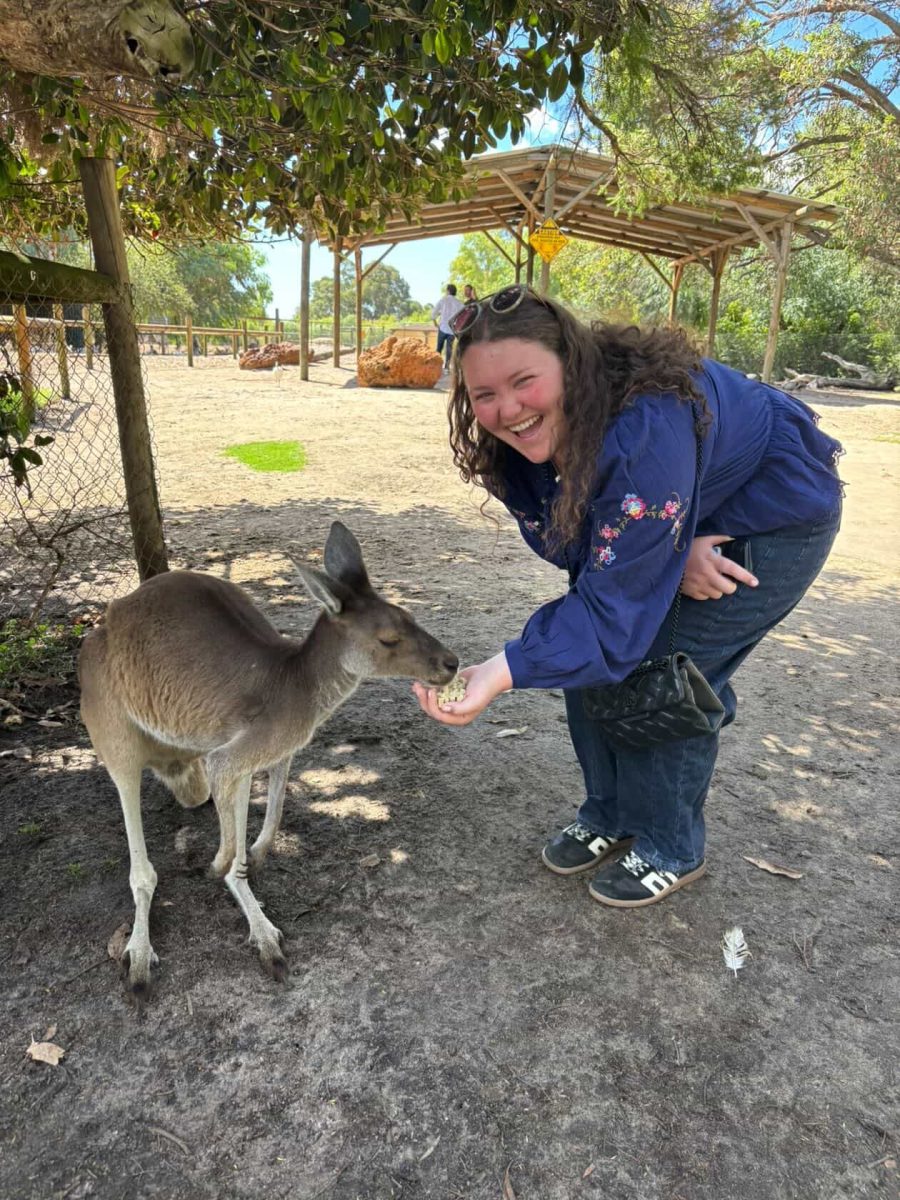
For freshman Allie McGehee, starting college as an exploratory major helped relieve the pressure of making an immediate decision. McGehee said she remained undecided for most of her first year while considering multiple fields.
“Well, I was undecided from August to, like, yesterday,” McGehee said. “I did not know specifically what I wanted to do. I was kind of between things, and I thought that if I decided just to put one thing, I felt like I was stuck with it.”
Career assessments helped narrow her options by evaluating her interests, personality and strengths. The results pointed toward several business-related careers, which ultimately helped her decide on a major.
“I have decided to go into Business Administration and Entrepreneurship,” McGehee said. “It’s just general business with a flair of spice, as I like to say.”
McGehee said the exploratory process also allowed her to meet with faculty members from several departments before making a decision.
“I went and had a meeting with all of the heads of the department,” she said. “It was really cool being able to talk to people from different schools.”
While some students worry about entering college without a clear academic plan, Rieger believes the exploratory program helps normalize uncertainty and encourages students to approach their future thoughtfully.
“We need to normalize that you don’t have a plan when you’re 18 from A to Z,” Rieger said. “You’re just A to B, and we’re figuring it out.”
For many students at Southern Miss, the exploratory major provides exactly that — a starting point that allows them to grow, explore and eventually find the path that fits them best.