












Have you ever wondered who keeps the lights on in your dorm, or where all the trash from a university of thousands goes? At the University of Southern Mississippi, that’s the Physical Plant.
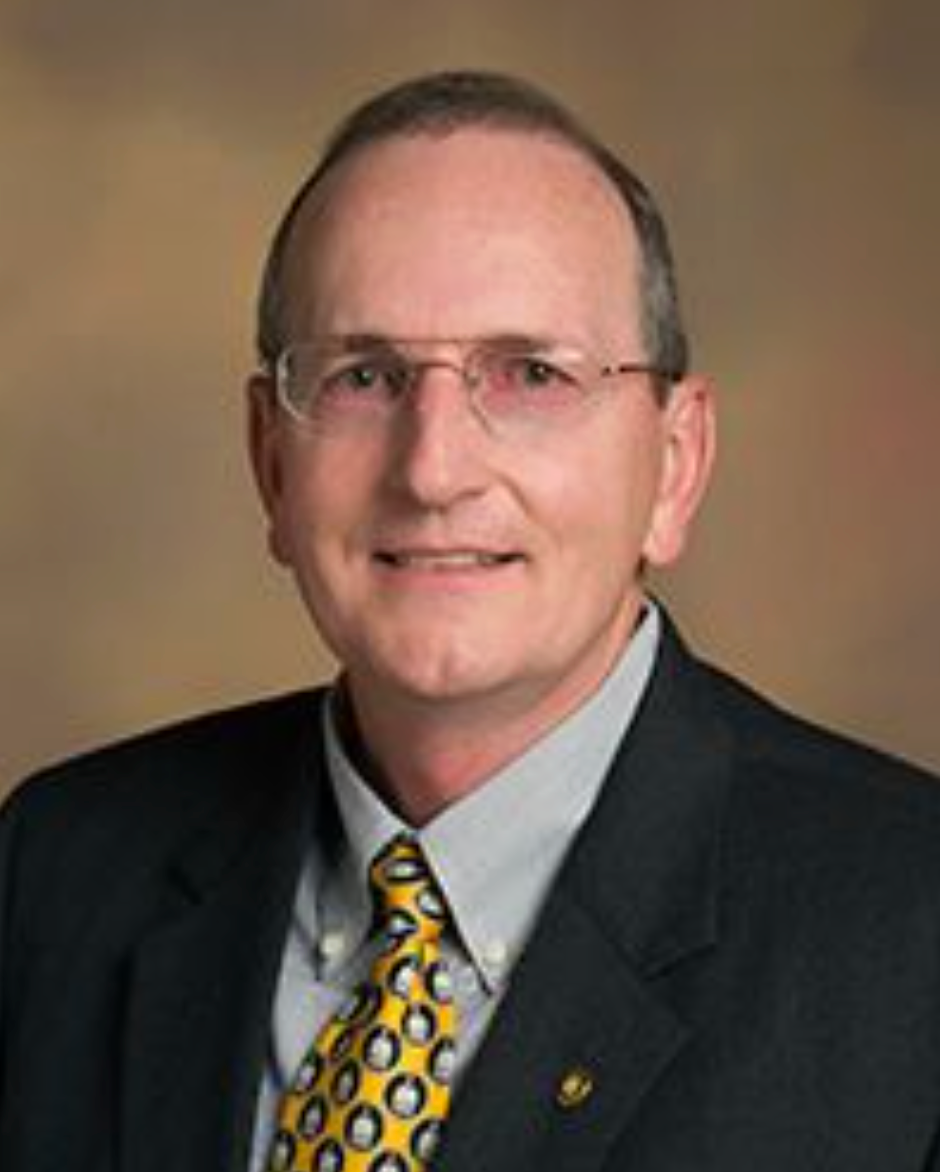
“It’s not a glamorous process. It’s not like a home football game. It’s not like a parade. But you can’t have those things unless somebody is there to clean up after it or clean up before it,” David Bounds said, former director of planning, design and construction at the physical plant.
The physical plant oversees nearly every aspect of campus life — from construction and renovation of buildings to custodial services, grounds maintenance, electrical, plumbing work and emergency response like flood and storm drain management.
“The physical plant is responsible for keeping the lights on throughout the whole campus,” Bounds said. “Electricity, water, sewer, gas… and when I also talk about the environment, that means removal of trash.”
Despite the scale, the physical plant doesn’t make a profit, relying instead on university budgets and work orders: requests departments or individuals on campus put in to build or fix things.
“We just make enough money to pay our bills basically. We only charge what it costs. There is no profit in our division, and some people don’t understand that,” Bounds said. “If we were on the outside, that $800 would have at least a 100 percent markup on it. Because you have to have profit. We’re only charging what it costs.”
This low cost, however, comes with trade-offs. The physical plant often loses its workforce to the outside competition, despite providing better insurance, job security and retirement plans.
“Our HVAC systems now are very complicated. You have to be a computer programmer to be what we call a control specialist. We have lost people who worked with us, and they have gone to work for other companies, and they make over six figures,” Bounds said.
Compounding the problem, the state and federal funding for public universities hasn’t increased as much as the cost of everything else, which has real implications. Departments that once had eight employees now run on two or three, forcing the physical plant to increasingly rely on outside contractors.
“If we do the work in-house, it costs $800,” Bounds said. “If we have to hire somebody from the outside to do it, it’s going to cost $1,600.”
Despite the challenges, the physical plant has found ways to be more sustainable. It recycles cardboard in-house and ships other recyclables to Baton Rouge, the nearest facility, since the local plant shut down during COVID. Each year, the physical plant sponsors Hattiesburg’s Right Way to Throw Away Day, in exchange for the city disposing of materials that can”t be recycled: HVAC chemicals, pesticides and light bulbs.
“It took them two or three days to box up all the light bulbs that we used in a year on campus,” Michelle Shinall said, associate director of operations and campus relations.
The department has also invested in energy efficiency. After retrofitting the library with LED lighting, the predicted seven-year payback on the investment came in five years. “You go into the library, and there’s more light in there now than there was with the fluorescence,” Bounds said. “It’s beautifully bright in there.”
The work of the physical plant rarely makes headlines. But occasionally it does something that grabs one’s attention. One afternoon, a grounds crew member was trimming roses in the university’s rose garden when a mother and daughter stopped to watch. He set down his tools, walked over and told them about the garden’s history. Before they moved on, he handed them a rose. Weeks later, a letter arrived at the president’s office. “The reason my daughter and I chose this university,” it read, “is because of our interaction with your employee who works in the rose garden.”
“He did that on his own,” Bounds said. “It was pride. He’s proud of his roses.”